
Why take the train?
Train travel is a practical, low-stress way to move between cities: you usually arrive and depart from central stations, avoid airport liquid limits and long security queues, and get more space to stretch or work. For journeys up to about 4–6 hours trains are often as fast door-to-door as flying once you count check‑in, transfers and waiting time. Choose trains for comfort, lower emissions and flexible on-board time.
Trains put you in the city centre with more legroom, fewer security hassles and a real chance to work or relax en route.
Types of trains
Tickets and booking
Booking windows typically open 2–6 months ahead; the cheapest advance fares sell out fast. Fares fall into two broad kinds: flexible (changeable, refundable) and saver/advance (cheaper but limited change/refund). Buy from official operator websites, the national rail portal where one exists, or reputable agent sites; compare point‑to‑point prices and check whether a split ticket (two consecutive tickets for the same trip) is cheaper.
Reservations and seating
Rail passes: when they make sense
Rail passes (national or multi-country) can save money if you travel many days or cover long distances in a short time. They become worth it when your planned trips add up to the equivalent of multiple full‑price point‑to‑point tickets; do the math. Passes often require seat reservations for the same trains and those reservations can carry additional fees. Look for youth, student and senior discounts where available.
Paper vs digital tickets and validation
Paper tickets: in some countries you must validate (stamp) paper tickets at machines before boarding — check signs at the station. Digital tickets: download them and keep a local copy or screenshot; don’t rely on roaming data. If your phone is offline, many operators accept an offline PDF/QR on screen; check the operator’s terms.
Night trains: compartments and safety
Night trains come in three common levels: upright seats (cheapest), couchettes (shared bunks, 4–6 per compartment) and private sleeper cabins (1–3 berths, sometimes with washbasin or ensuite). Sleeper cabins usually include bedding; couchettes may offer shared sheets. Pack a small overnight bag with valuables, a change of clothes and basic toiletries — don’t leave essentials in hold luggage. For security lock the cabin door where possible and keep passports and electronics with you.
Stations and boarding
Comfort and scenic seats
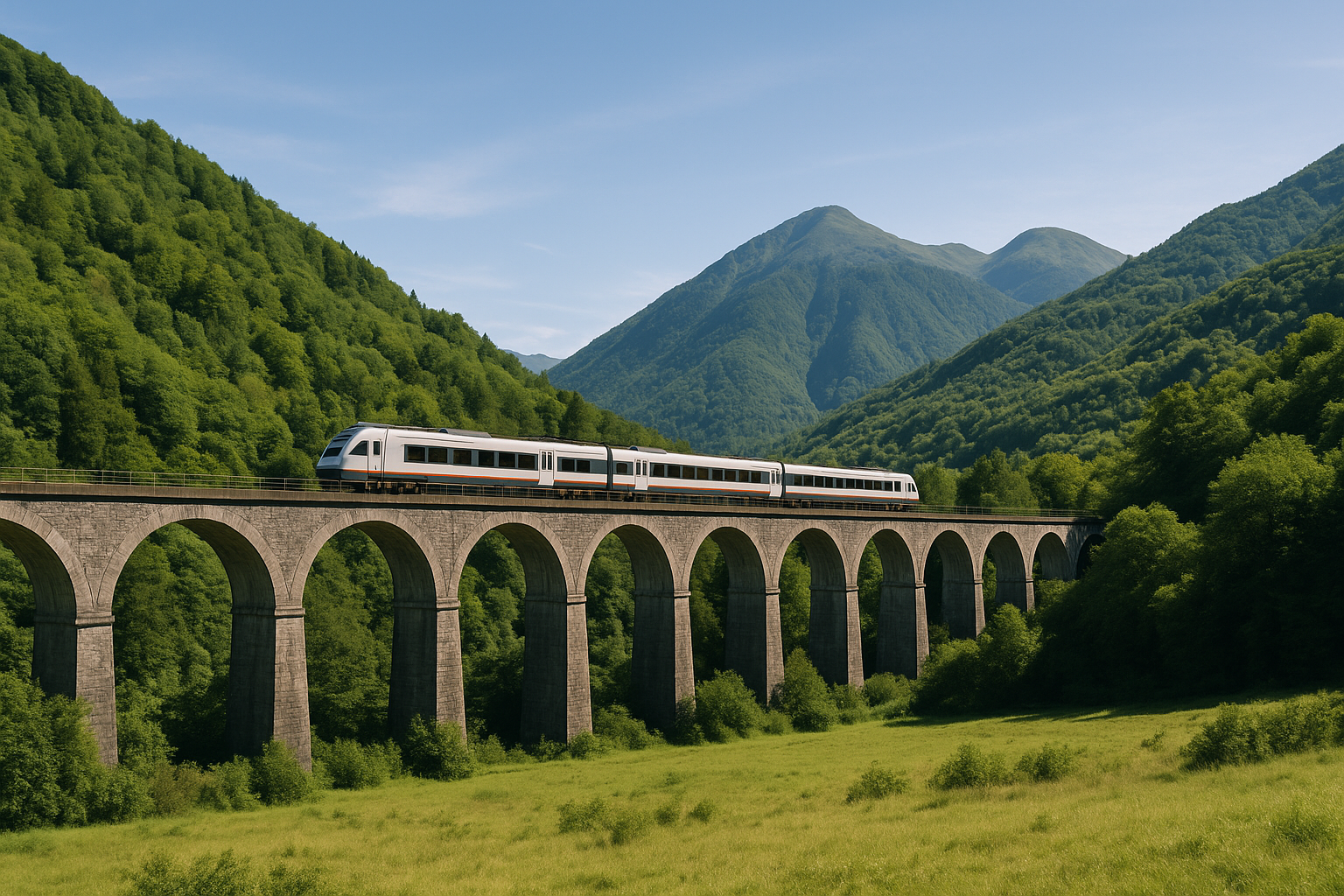
Food and drink on board varies from full dining cars to vending machines or no service; bring water and snacks for longer trips. Expect charging sockets on many long‑distance trains but not guaranteed — bring a power bank. Use quiet coaches if you need to work; put phones on silent and use headphones. For scenic routes, travel in daylight and check route maps or seat guides to pick the side with better views — websites and seat maps often show which side faces the coast or mountains.
Delays, missed connections and passenger rights
Delays happen. If you hold a single through ticket (one ticket covering connections) the operator should rebook you or protect onward travel; if you bought separate tickets you may be liable for missed connections. Keep all tickets and receipts and photograph departure boards and announcements if you intend to make a claim. Find delay and compensation procedures on the operator’s website and follow their claims process; some regions have regulated passenger rights with fixed compensation thresholds.
Dos and don’ts
Kids, pets and quick checklist
Travelling with children: bring snacks, entertainment and an easy-to-carry change of clothes; choose a table seat or adjacent seats so you can face your kids. Some operators offer youth fares or family compartments—check before you book. Travelling with pets: small pets often travel in carriers on lap or under seat; larger dogs commonly need a ticket and sometimes a muzzle/lead — check operator rules and book space if required.
Final checklist before you go: confirm platform and coach numbers, validate paper tickets where needed, have a downloaded copy of digital tickets, pack essentials in a small day bag, and note how to contact the operator or station information desk if plans change.