
Burundi
Short description
September–November in Burundi: the short rains that remake the hills
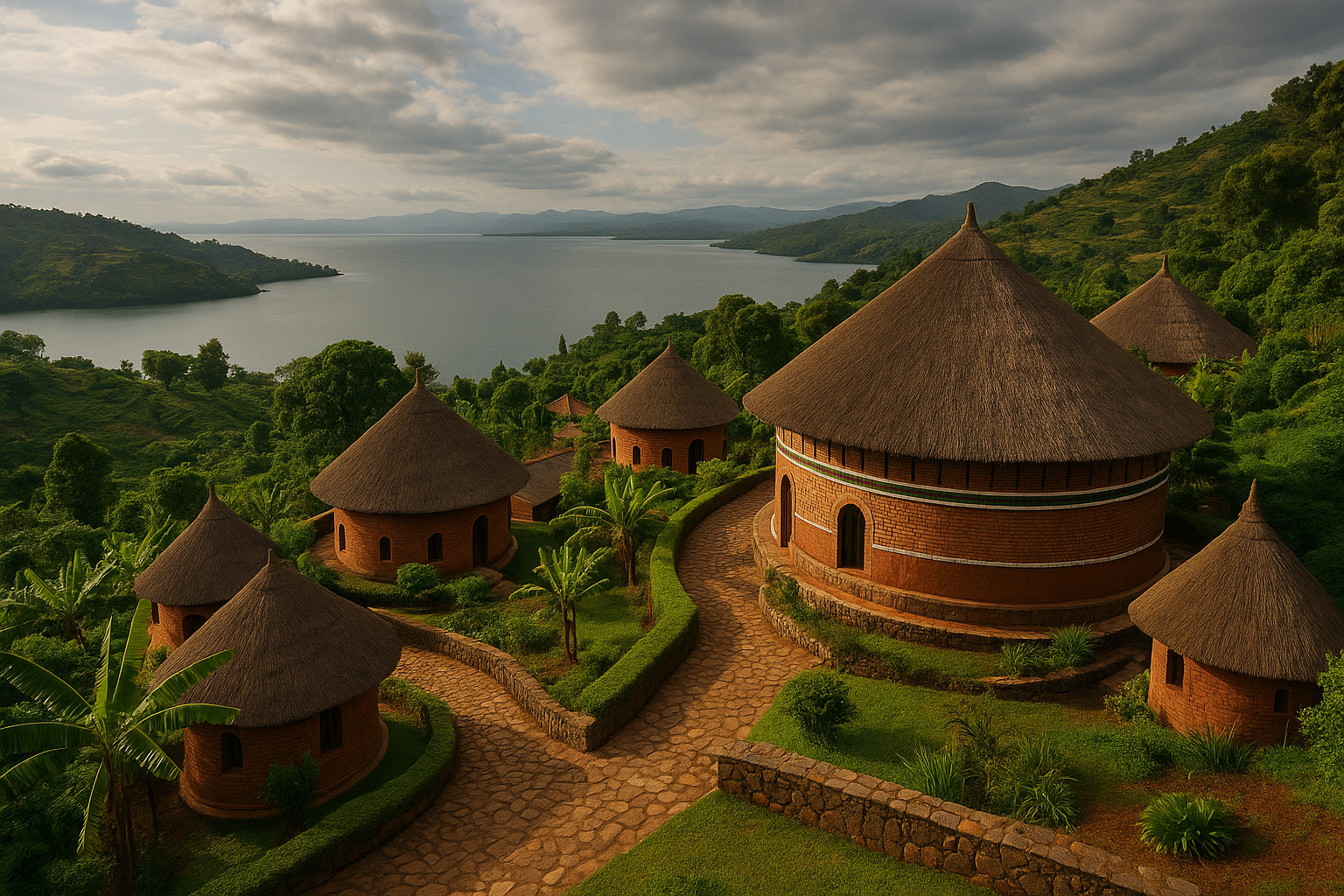
September to November brings Burundi’s short rainy season: afternoon cloudbursts patter down the steep terraces and the red earth on the hills becomes a deeper brown where streams cut channels toward Lake Tanganyika. Those months leave the low shore towns stickier and the higher communes pleasantly cool; the wet spells are often brief and intense rather than persistent drizzle.
How the country feels on the ground
Burundi’s scale is compact — towns and villages sit close to one another along narrow ridgelines — but the country’s relief makes any short hop feel like travel: climbs and descents dominate a journey, and views open and close as you move between valleys. Fishing activity and market stalls cluster around the lake at a different rhythm from the coffee and banana plots inland, so you move between atmospheres as quickly as a bus round a bend.
Getting around and what to plan for
Paved stretches run between Bujumbura and the larger towns, but many secondary roads turn to mud after downpours; a 50‑kilometre trip can take far longer than the map implies. Cash—Burundian francs—remains king outside Bujumbura, and ATMs and card acceptance are limited to the city and a few provincial centres. Mobile coverage exists in most inhabited areas, yet expect slower data and occasional outages on hilltop routes where towers are sparse. Kirundi and French will get you further than English; a few French phrases ease negotiations at markets.
Daily life, food and small customs
Morning in a Burundian town often starts with brochettes and beans from a roadside grill or a steaming bowl of beans sold at market; banana beer appears at communal ceremonies and in specific neighbourhood taps rather than as an everyday bar offering. Greetings are deliberate: a handshake and a short conversation about family and health sets the tone, and modest dress is normal in both town and countryside. Visitors are commonly invited to share a portion—declining can cause puzzlement—so come prepared to accept small plates, usually eaten with hands or simple cutlery.
Quick 5
Burundi
Burundi
Burundi
Burundi
Burundi
Regions

Travel Requirements
What you need to enter Burundi, for the passport you hold.
Places of interest
Landscapes in Burundi
Travel Tips