

Italy
Short description
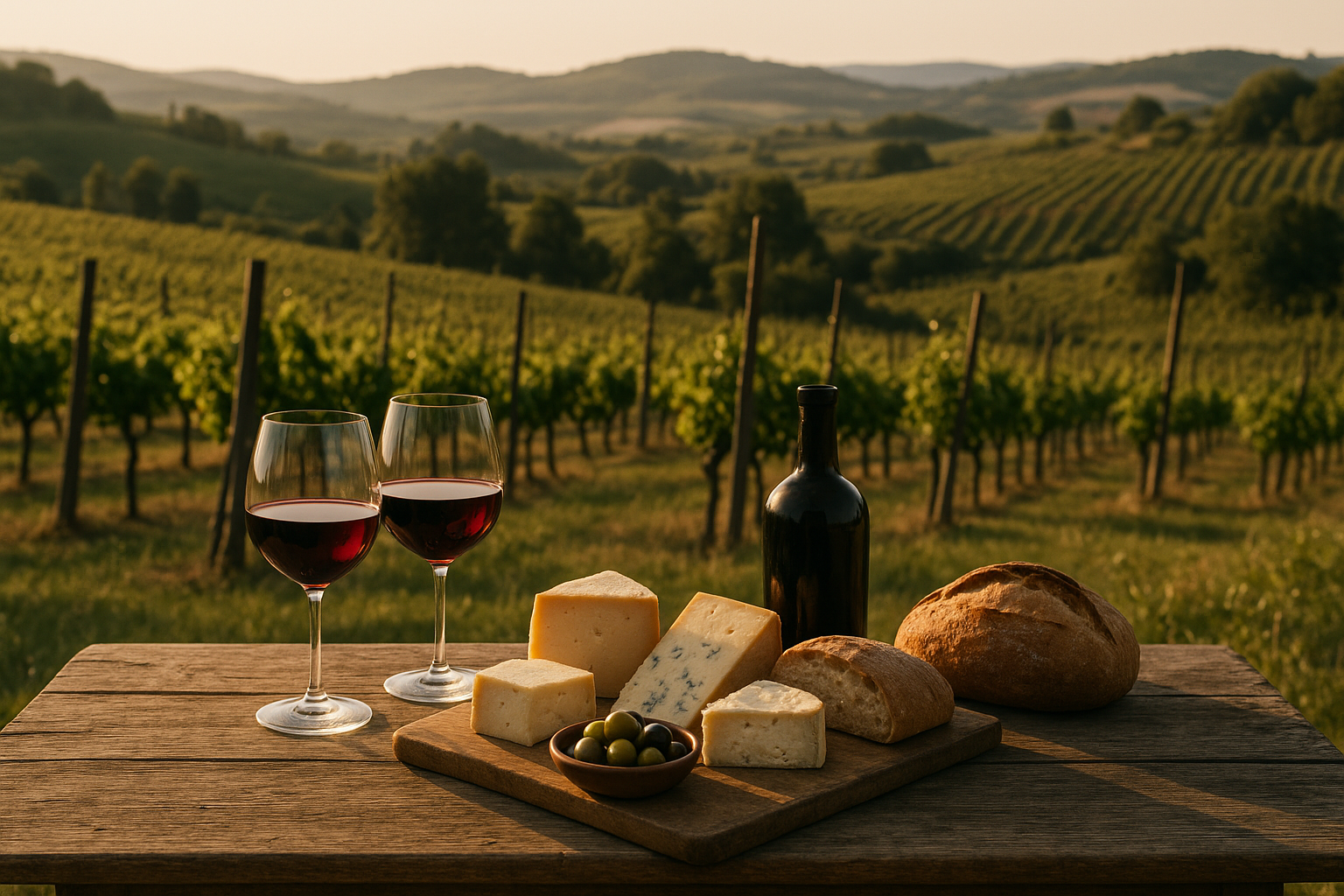
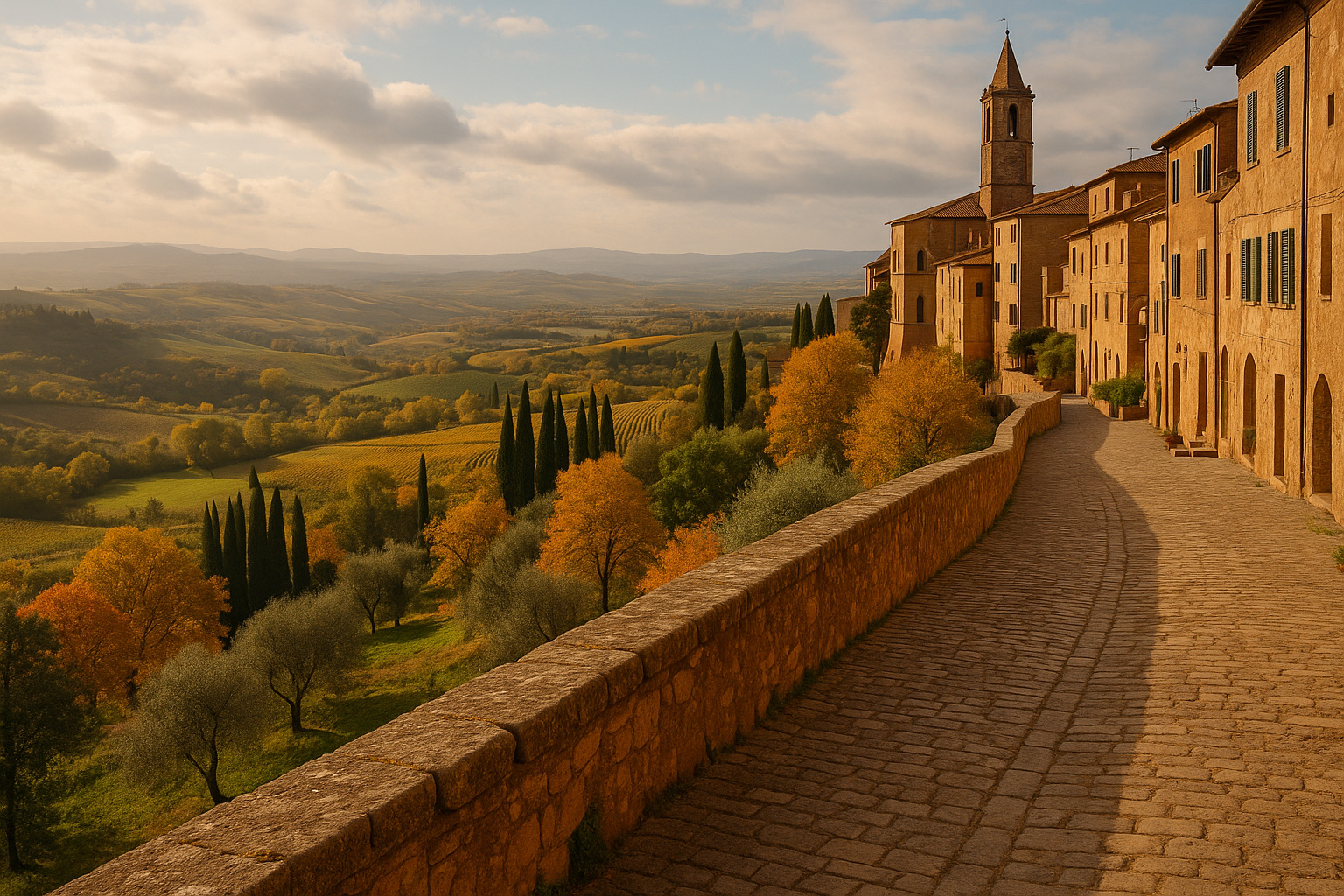
Vineyards turning in the heart of Italy
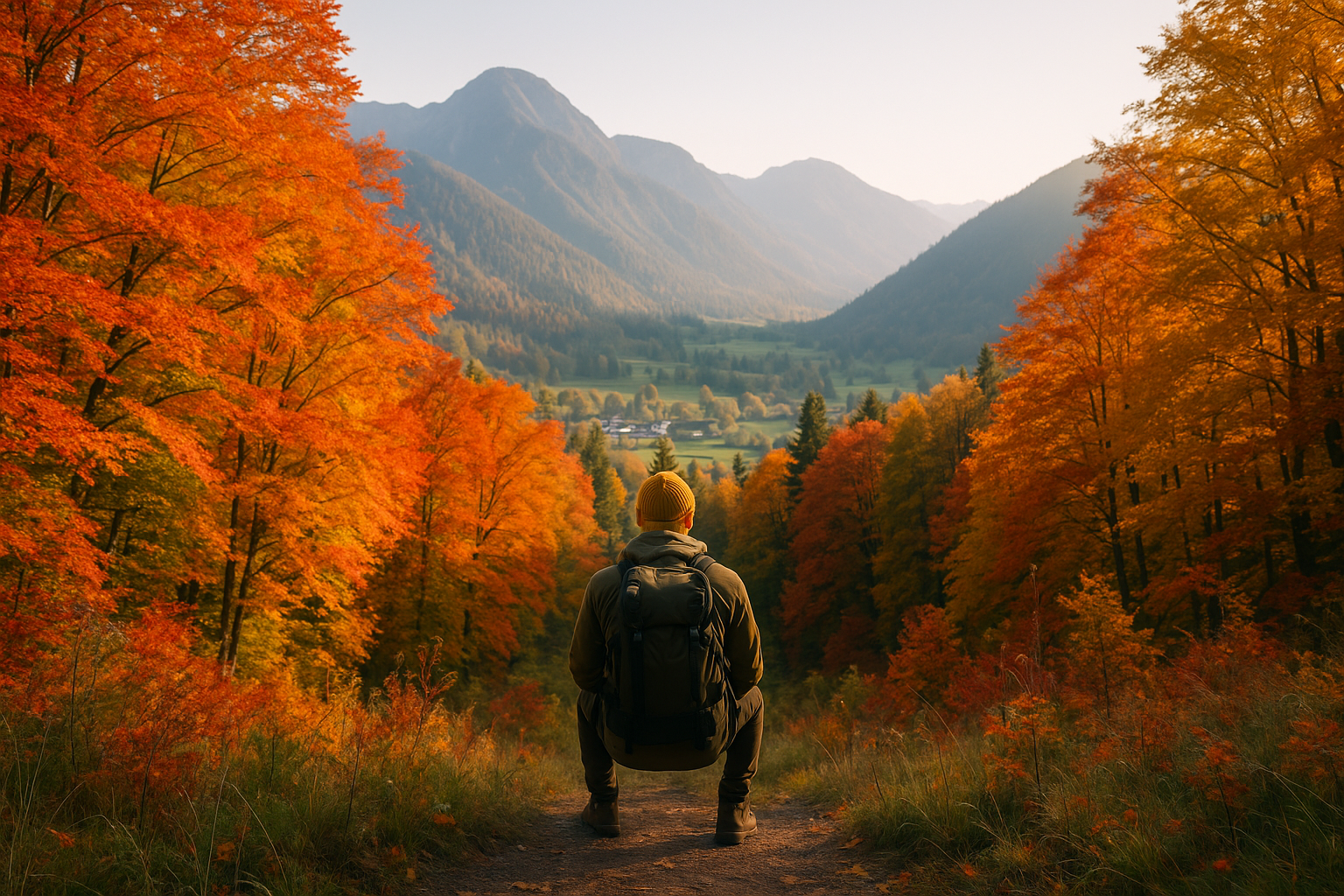
By September the slopes of Chianti and the terraces of Langhe look different: leaves redden, tractors queue at vineyard gates and the vendemmia (grape harvest) sets a new tempo across central and northern Italy. In the Po Valley morning fog thickens into low clouds that linger over Parma and Mantua, while the Apennines and the Dolomites start to gather snow on their highest ribs by November. Coastal areas such as the Amalfi coast and Sicily keep warmer afternoons longer, but the contrast between alpine brightness and southern light is more obvious now than in summer.
Autumn in Italy means markets, truffles and reopened routines
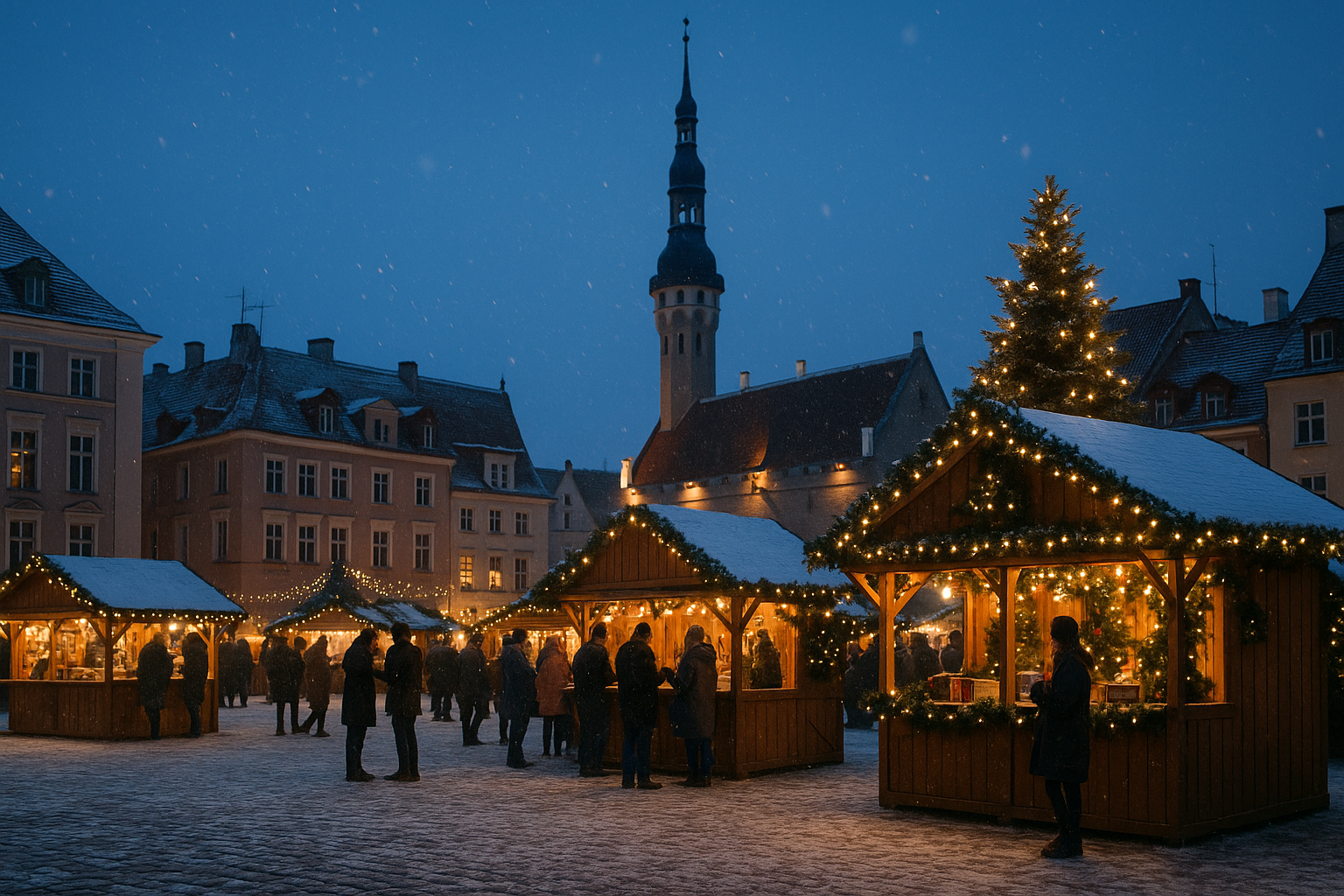
Summer closures are largely over: small-town shops reopen and the weekday rhythm returns to piazzas and fish markets, where vendors start selling porcini and chestnuts and where local sagra season ramps up with truffle fairs in Piedmont and Umbria. Wineries bottle vino novello and enotecas tout new releases; restaurants remove the summer menus and add braised meats, risotti and long-simmered ragù that suit shorter days. Daylight saving ends in late October, so evenings feel suddenly earlier in Turin and Milan and the lakes grow quiet faster than in Rome.
How to move between regions in autumn
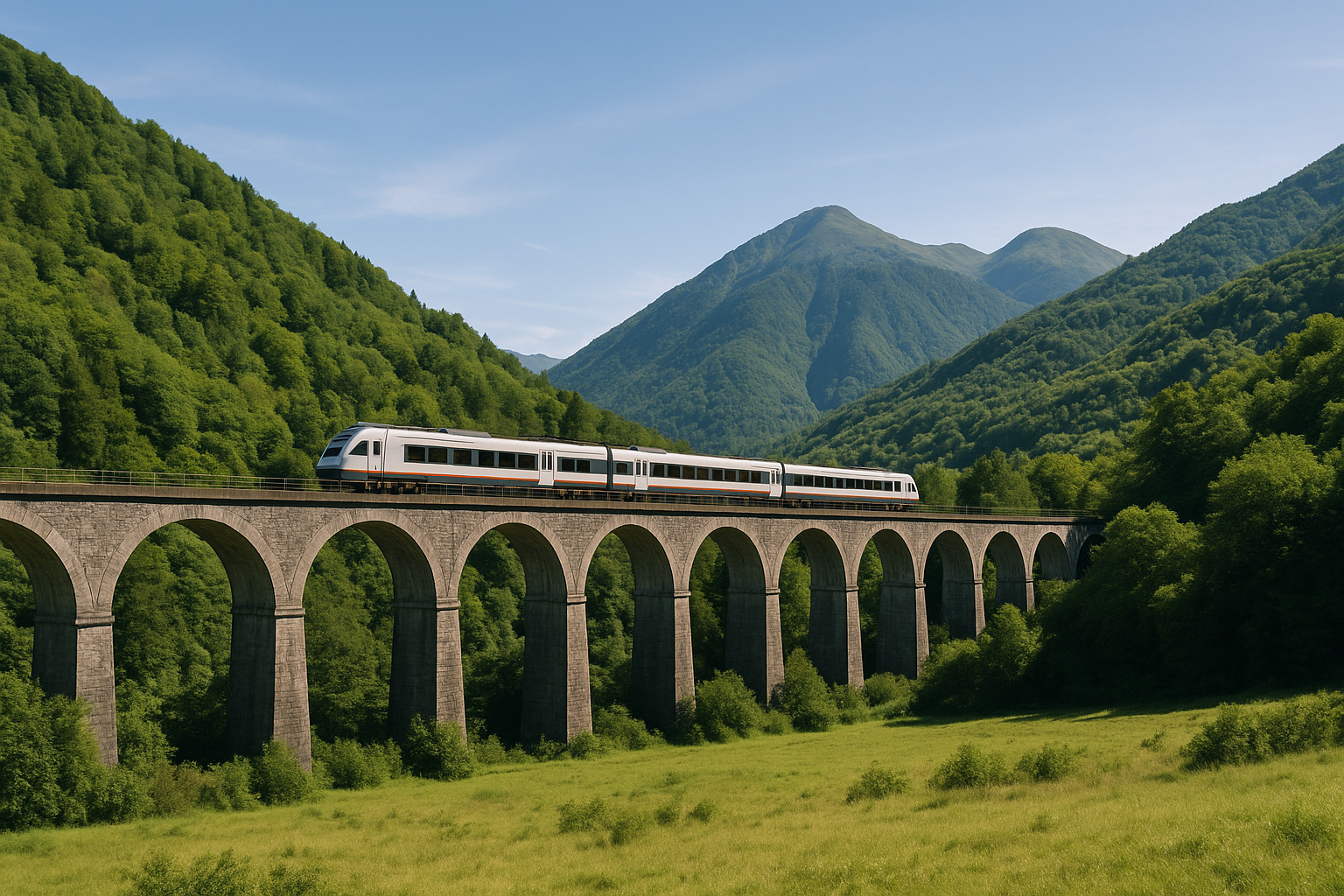
High-speed trains between Rome, Florence, Milan and Naples run often and cut travel time, but regional trains in mountain valleys can be slow and prone to timetable changes when weather turns. Driving offers freedom—remember to watch for ZTL signs in historic centres and expect autostrade tolls on long routes—but narrow coastal roads become more twisty with fallen leaves. Cash is still useful in village cafés; credit cards work everywhere in cities, and a handful of Italian phrases will get you further than perfect English in markets and family-run trattorie.
How Italians eat and move through a chilly afternoon
Breakfast at a bar is short—espresso standing up—and cappuccino is typically a morning drink, not an evening habit. Lunch is often the main meal in smaller towns around 13:00, while city residents keep the aperitivo ritual: an early evening drink with small plates before dinner after 20:00. On bills check for servizio; tipping beyond rounding up is uncommon. Expect direct greetings, a handshake in formal situations and warmer informality among younger people who mix dialect and standard Italian in conversation.
Quick 5
Italy
Italy
Italy
Italy
Italy
Regions

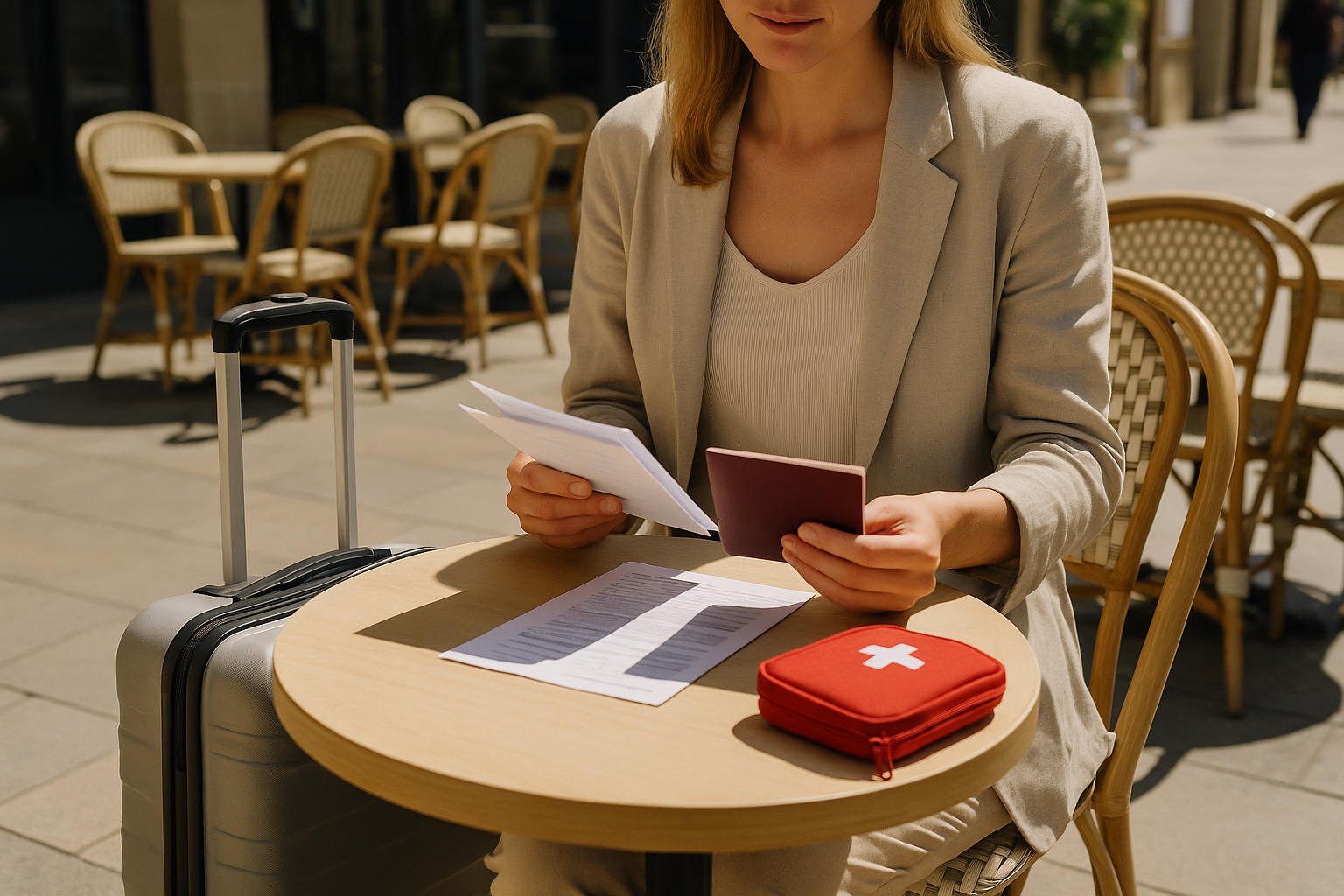
Travel Requirements
What you need to enter Italy, for the passport you hold.
Places of interest
Landscapes in Italy
Travel Tips