

Cabo Verde
Short description
Autumn brings short, sharp green to the Cape Verde islands
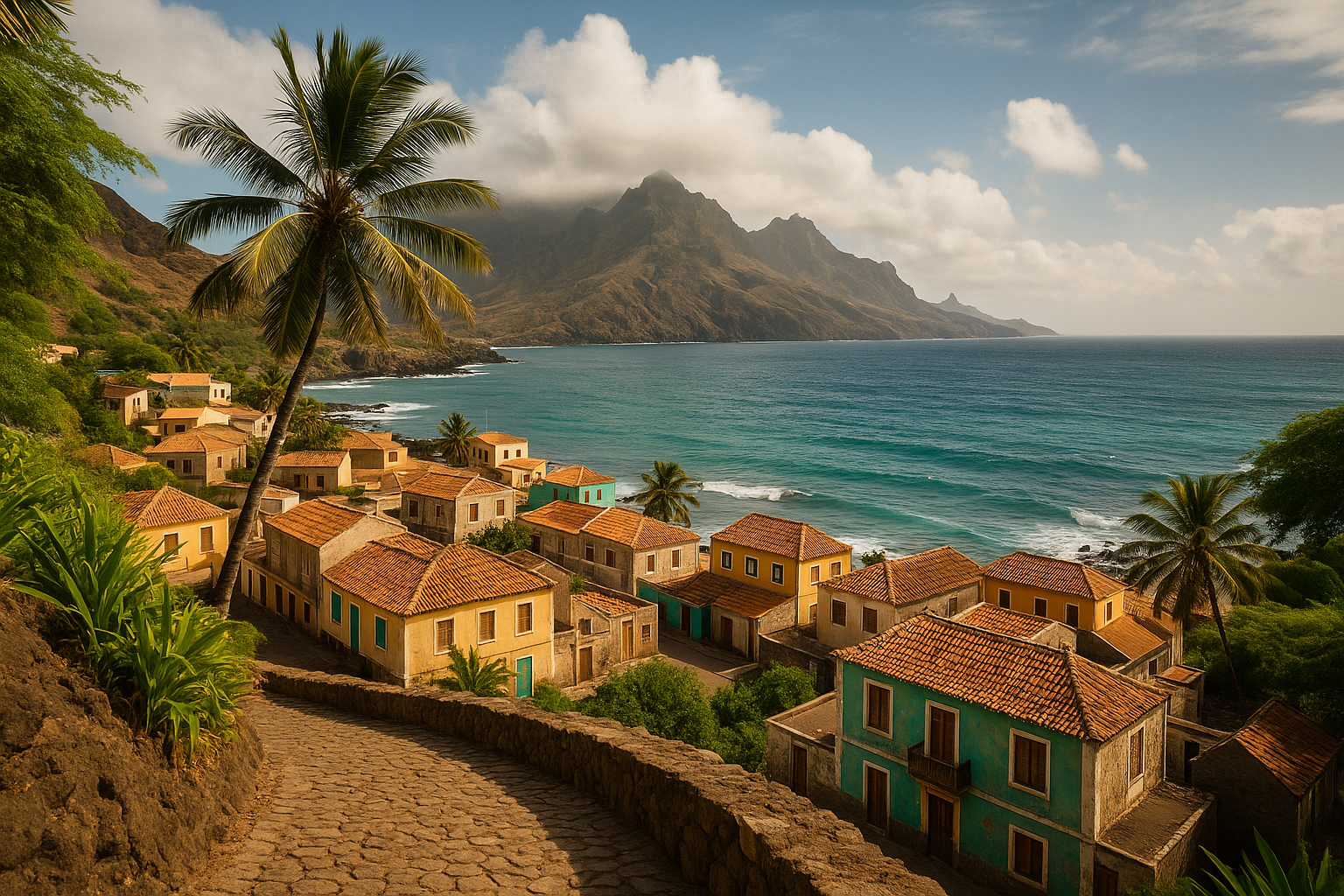
September to November is the tail end of the rainy season here: not continuous rain but episodes that turn dry gullies into roaring streams and paint the slopes of Santo Antão, São Nicolau and parts of Santiago bright green for a few weeks. On Fogo the higher slopes attract low cloud and the working calendars of small farms shift as they catch what moisture arrives; elsewhere the wind still dominates the daily weather, so mornings can be calm and afternoons surprisingly gusty.
How travel between islands actually plays out in autumn
Inter-island hops are short in distance but often need padding in your schedule: domestic flights use small turboprops and are frequent, while ferry services cross seas that can become choppy with autumn swells, making cancellations or slow crossings more likely than in winter. On the islands, expect narrow, slow roads and local minibuses called aluguer that leave when full; taxis are affordable in towns but negotiate fares for mountain runs. In Praia and main hotels card payments work; in markets, bakeries and small pousadas the Cape Verdean escudo is still king.
Daily life, greetings and what people do in autumn
Portuguese is the official language on paperwork, but Cape Verdean Creole is the social tongue — you will hear it everywhere and a few words go a long way. A handshake is the standard meeting gesture; among friends you will often see two light cheek kisses. Lunch remains the main meal; in autumn fishermen bring in tuna and octopus mornings, and markets fill with them. Cachupa turns up as a communal weekend dish and grogue, the local sugar‑cane spirit from Santo Antão and Santiago, is offered as a sign of welcome — it’s strong, so accept politely if you can handle it.
Common surprises for visitors in September–November
Travelers often expect endless sun and find instead a season of sudden showers and dramatic contrasts between windward islands that briefly green and leeward sands that stay dry. They also underestimate how openly music and conversation run on Creole rather than formal Portuguese: events and late‑night music sessions reappear as the rains ease, but the islands keep a slow timetable — plan for delays and for evenings that stretch into music and long, unhurried meals.
Quick 5
Cabo Verde
Cabo Verde
Cabo Verde
Cabo Verde
Cabo Verde
Regions

Travel Requirements
What you need to enter Cabo Verde, for the passport you hold.
Places of interest
Landscapes in Cabo Verde
Travel Tips