

Cameroon
Short description
Autumn across Cameroon: two very different weather calendars
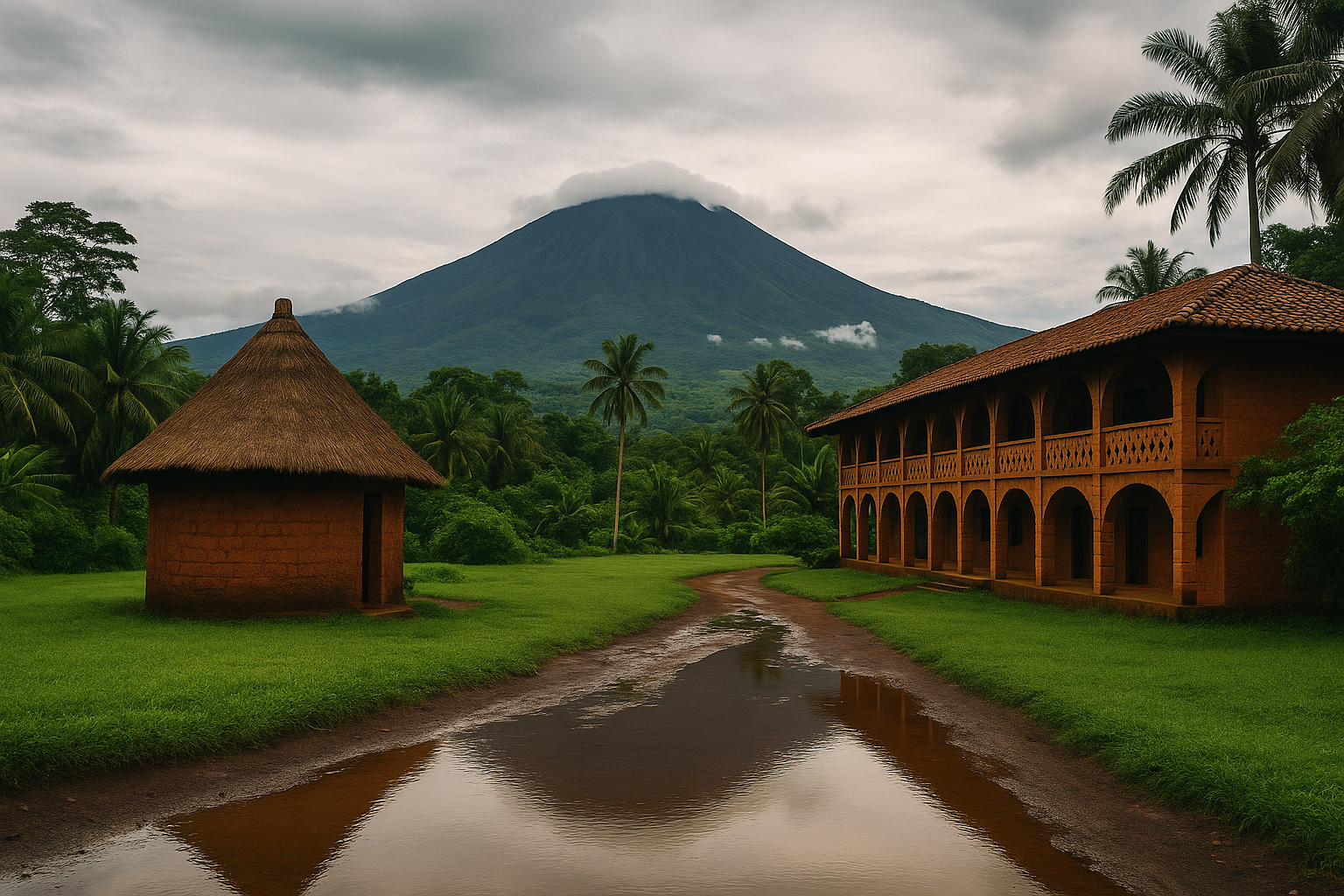
From September to November the south and coast are finishing the long rainy season while the far north moves into its dry half of the year, so you can arrive and find damp jungle roads in Littoral and almost-desert dust around the Sahel borderlands within a few hundred kilometres. Along the coast rains taper but river crossings remain swollen through October; farther inland the air clears and evenings grow noticeably cooler as vegetation dries.
Getting around Cameroon in these months
Road travel is the default: the main highway between Douala and Yaoundé carries container trucks, wet-season potholes and traffic that can turn a short distance into an all-day trip, so plan fewer hops and longer stopovers. Domestic flights connect major cities but expect delays and cancellations when heavy coastal rains persist. You will need Central African CFA francs for most markets and minibuses; credit cards work in major hotels and some restaurants in Douala and Yaoundé but not in smaller towns. Mobile internet from operators like MTN or Orange is fine in cities and along main corridors, patchy in the highlands and far north.
How people live and the small rules that matter
Conversation rhythms change with language: French dominates in the Centre and Littoral provinces, English more in the Northwest and Southwest—use that cue and people will switch. Handshakes are the usual greeting; in church towns Sunday services and market closures shape the week. Dress is modest in many places—cover shoulders and steer clear of beachwear away from the coast—and it’s polite to accept a small cup of coffee or kola nut when offered in a compound.
What visitors commonly get wrong about Cameroon
Travelers often expect a single cultural note, but Cameroon is where makossa and bikutsi play on the same radio, where ndolé and poulet DG appear at family tables, and where the oil industry operates alongside cattle routes in the north. Expect strong regional differences in food, language and pace within short distances rather than one uniform experience across the country.
Quick 5
Cameroon
Cameroon
Cameroon
Cameroon
Cameroon
Regions

Travel Requirements
What you need to enter Cameroon, for the passport you hold.
Places of interest
Landscapes in Cameroon
Travel Tips