

Central African Republic
Short description
Bangui and the wide interior: how the Central African Republic feels
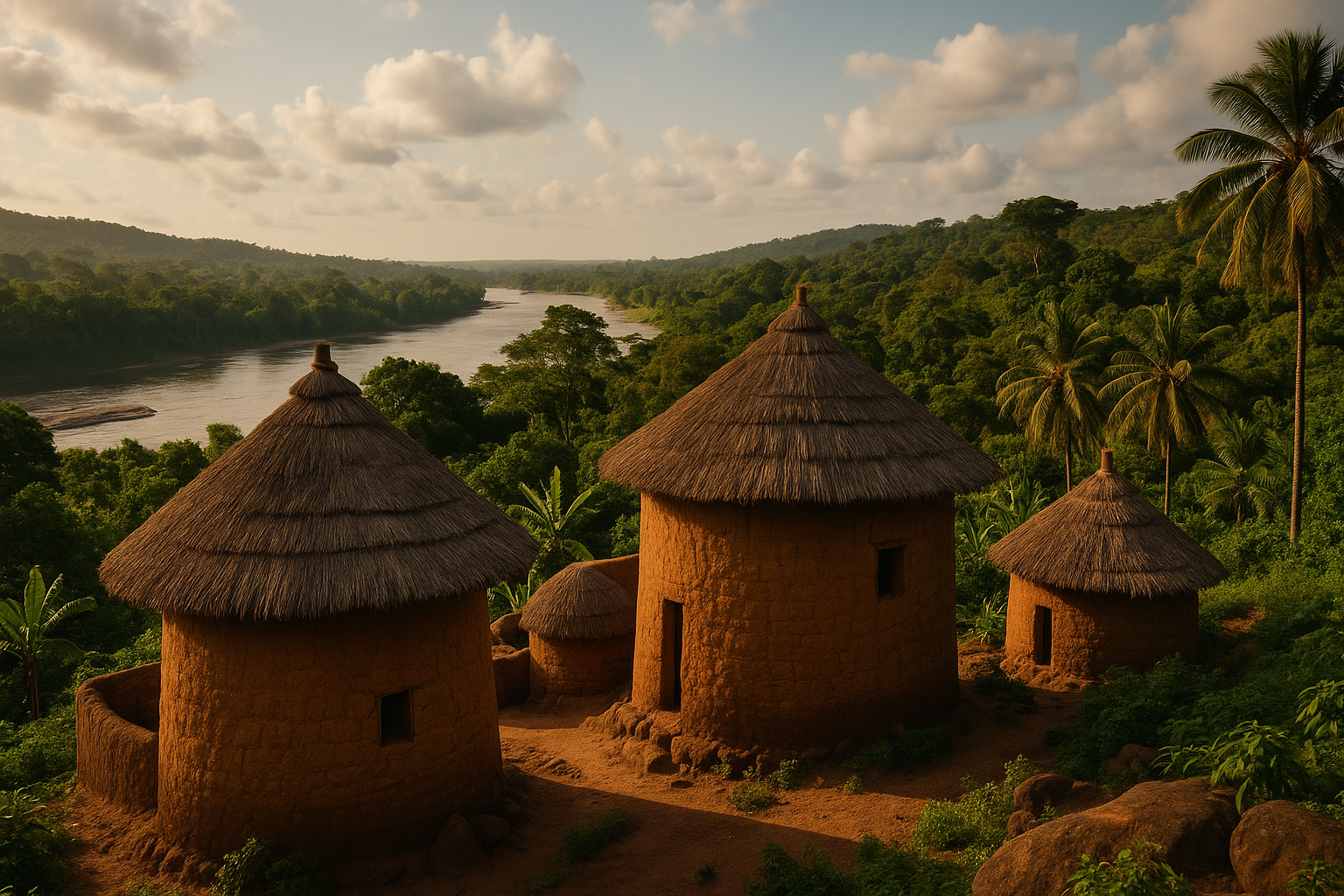
Bangui sits low on the Ubangi River and makes the country feel smaller than its map does: riverboats, market stalls and government offices cluster here while the rest of the country stretches into long, lightly inhabited plains and forested river basins. The south is dominated by river networks and gallery forest; the north opens into Sudanian savanna where villages are far apart and travel eats time. Expect towns to feel improvised—brick, timber and corrugated iron—in a landscape where a single main road or riverboat often determines whether a place is connected.
Autumn in the Central African Republic: the last rains and the coming dust
September and October are the tail of the wet season: rivers such as the Ubangi are high, tracks are deep with red mud and standing water, and rice paddies and cassava beds are at their greenest. By November the rains fade, mosquitoes thin out and the Harmattan’s dusty breeze starts to arrive from the north, clearing humidity but blowing fine Saharan dust into towns. Farmers finish harvesting millet, sorghum and groundnuts between late September and November, and cattle movements by Fulani herders become more visible as people shift stock toward drier pastures.
Getting around the Central African Republic in autumn
Paved roads are concentrated around Bangui and a few international corridors; secondary routes are laterite and still treacherous in September. Come November many tracks firm up and villages that were unreachable on motorbike begin to see traffic again. River transport on the Ubangi remains a practical option during the high waters of September–October. Mobile coverage and ATMs exist mainly in towns; Sango will get you further than French outside official circles, and cash is the common currency for markets and moto-taxis.
Eating, greetings and everyday courtesies in the Central African Republic
Meals center on cassava, fufu and sauces made with cassava leaves (saka-saka), palm oil and smoked fish from the Ubangi; lunch is the substantial meal where households come together. Handshakes and inquiries about family are the standard opening; elders and community leaders are treated with visible deference. Dress is practical—long sleeves for sun and mosquitoes—and moto-taxis provide the default short-distance transport in most towns.
What visitors often don’t expect about the Central African Republic
People frequently arrive expecting unbroken rainforest and find instead alternating belts of river forest and savanna, plus a capital where the river market sets the tempo. Sango’s reach surprises visitors: it’s the working language in markets, on bush radios and on riverboats long before French appears. And while the map looks compact, distances between services and supplies can be long, especially before the dry season roads return.
Quick 5
Place: title
Central African Republic
Central African Republic
Central African Republic
Central African Republic
Regions

Travel Requirements
What you need to enter Central African Republic, for the passport you hold.
Places of interest
Landscapes in Central African Republic
Travel Tips