

Chad
Short description
How Chad feels on the ground
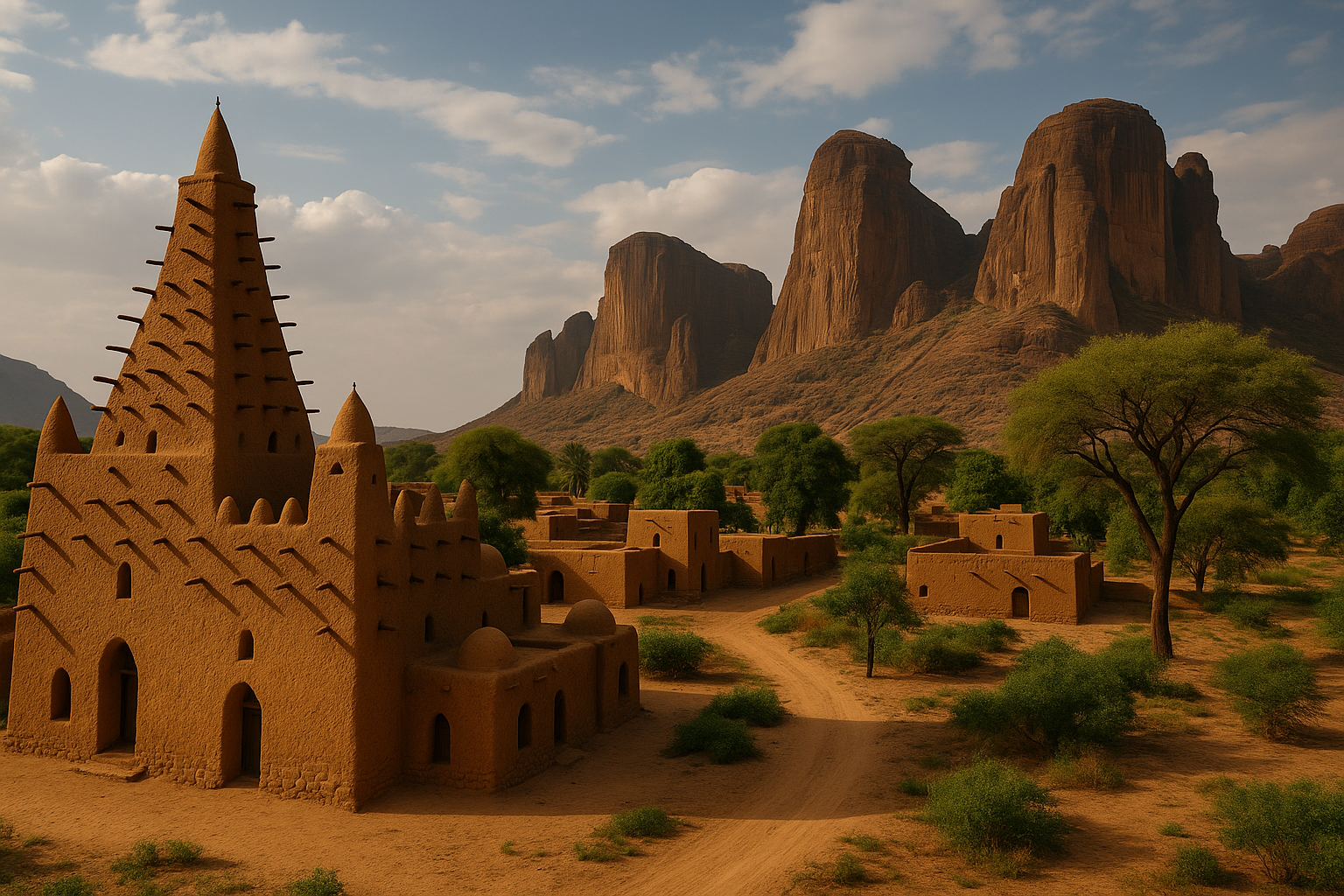
N'Djamena smells of wet dust and fried dough in September; by November the same streets are coated in a pale dust that blows off the Sahel and Sahara. Chad is a country of scale you notice in hours: a short flight crosses as many climates as a week on the road. The north is Sahara silence and salt pans, central Chad is Sahelian scrub and seasonal wadis, and the south holds denser fields and the communities who farm them.
Autumn in Chad: the slow end of the rains
September to November is a transition here. In the south the peak rains are tapering: paddies and millet fields are still green in September, harvests of sorghum and millet begin to swell markets in October, and by November the landscape is drying and fires are common as farmers clear. In the Sahel belt the heavy cloud bursts of August have largely gone by October; the air cools in the mornings and the Sahara’s dust returns where the rains never reached.
Getting around Chad in September–November
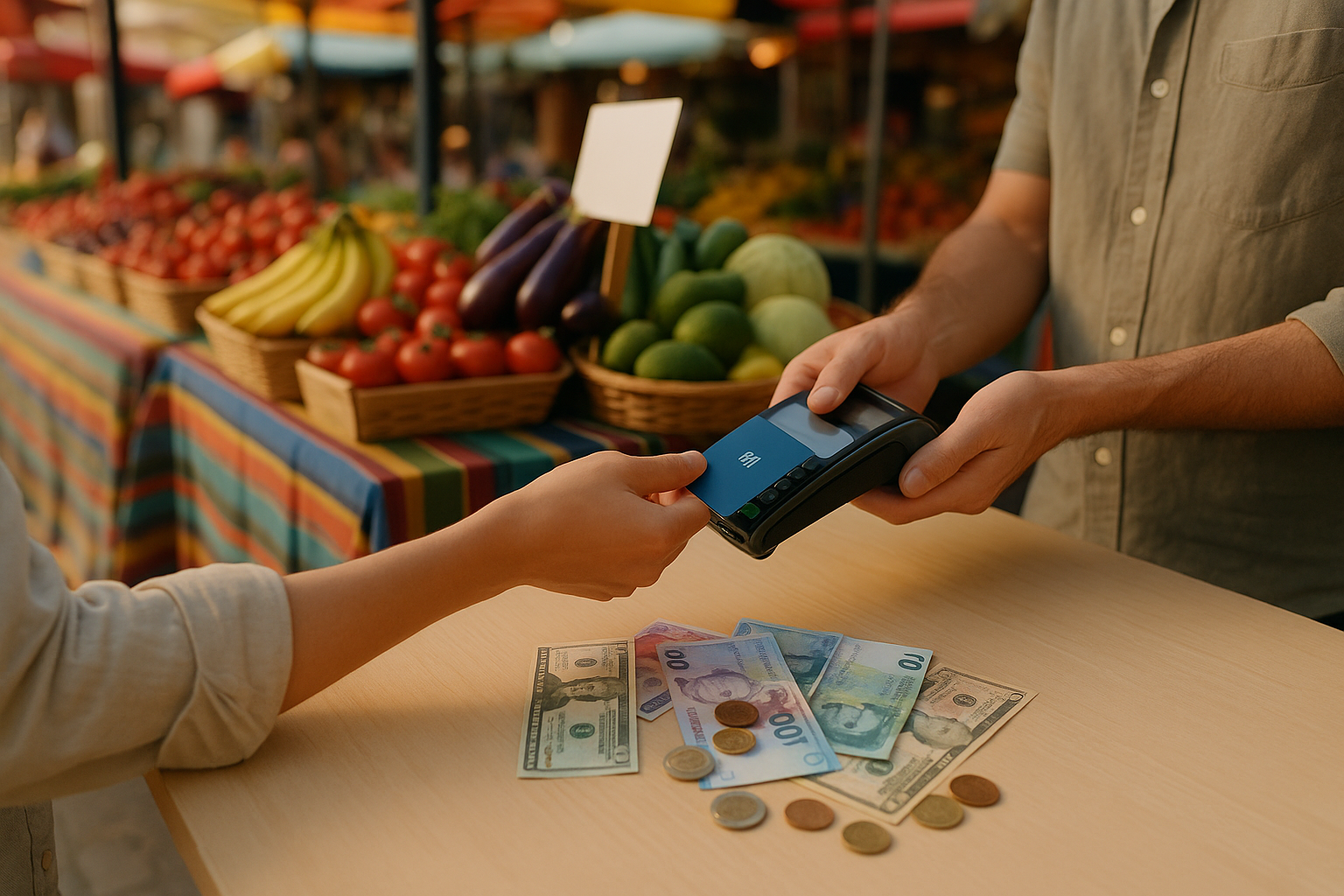
Distances take longer than maps suggest. A N'Djamena–Moundou drive eats a full day on rough surfaced roads; dirt tracks in the south that are impassable in August become usable again in October but remain slow. Domestic flights connect the main towns but are infrequent and often change schedules. Cash is how most transactions happen — the currency is the Central African CFA franc — and ATMs work only in larger urban centres. Chadian Arabic is the common spoken lingua franca across much of the country alongside French and dozens of local languages such as Sara in the south; a few words of Chadian Arabic go a long way outside formal offices.
Eating and everyday manners in Chadian towns
Meals are social and often served from a shared bowl: boule (a millet or sorghum dough) with a sauce is the default evening meal in many towns, while djeruk and fataer appear at markets and roadside stalls. In Muslim-majority areas in the north and centre, modest dress and Friday prayers shape daily rhythms; evenings in towns slow as people gather to talk and drink sweet tea. Handshakes, a polite enquiry about family and health, and accepting an offered cup of tea are everyday exchanges that open doors more effectively than formal introductions.
Quick 5
Chad
Chad
Chad
Chad
Chad
Regions

Travel Requirements
What you need to enter Chad, for the passport you hold.
Places of interest
Landscapes in Chad
Travel Tips