
Comoros
Short description
Vanilla in the harbour air: autumn on the Comoros
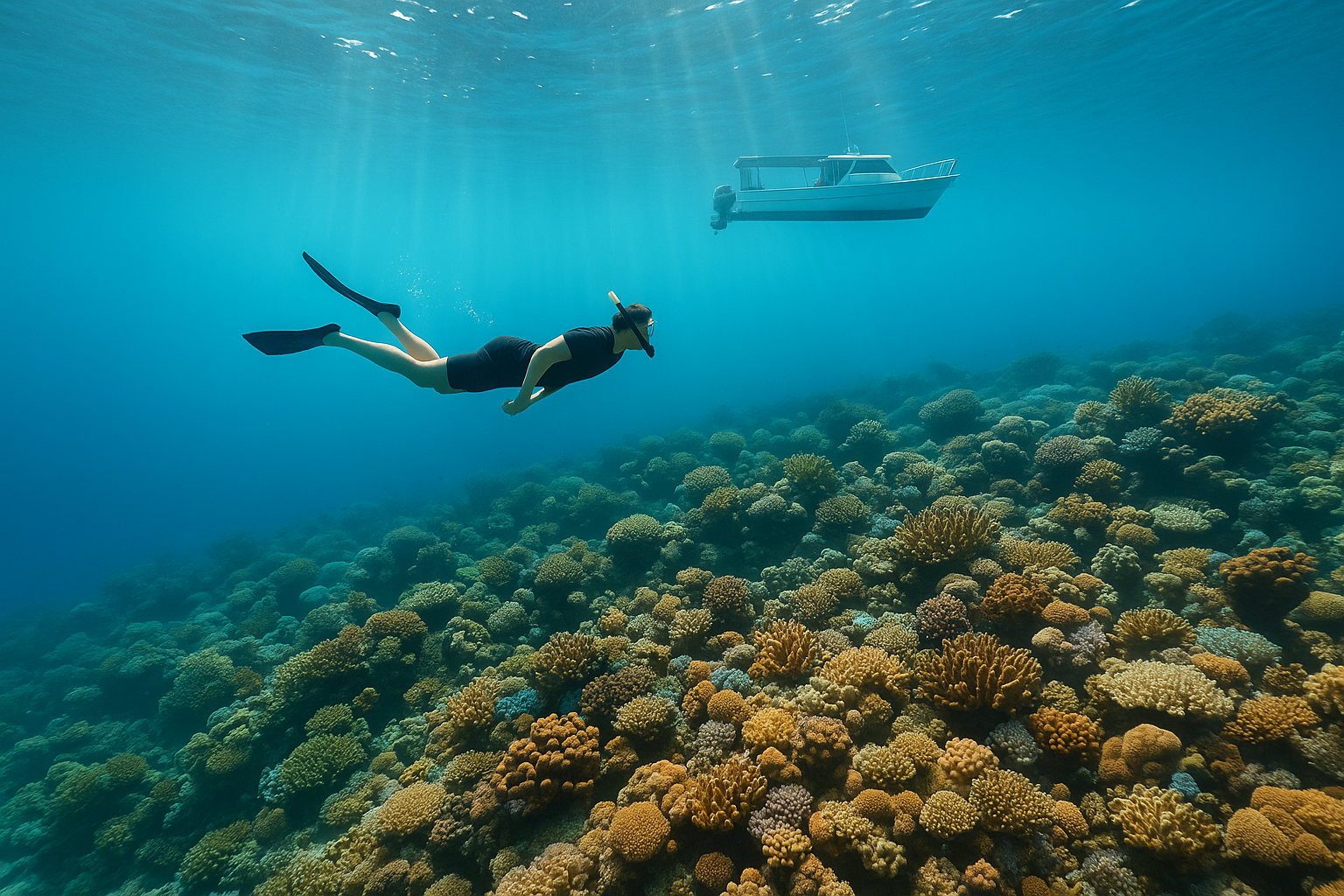
A faint vanilla scent often hangs over Comorian harbours in September, a reminder that these islands still grow spices as a living economy rather than a souvenir theme. September and October are the tail end of the cool, relatively dry season: trade winds ease afternoons, reefs are clearer for diving, and daytime heat is noticeable but not yet oppressive. By November the humidity climbs, showers arrive more often and the calendar moves into the months when cyclonic weather becomes a possibility for the southwest Indian Ocean; that change is felt first in sudden downpours and greener hillsides rather than a long wet spell.
How you actually move around the islands
Distances are short but islands are separated: short inter‑island flights link Grande Comore, Anjouan and Mohéli to Moroni and to each other, and overnight ferries — when they run to schedule — are the cheaper option. Roads away from the main towns can be steep, narrow and slow, especially on Anjouan where terraces and hairpin bends set the pace. Expect to pay in Comorian francs for most everyday purchases; cards work at a few hotels and some businesses in Moroni but not in village markets. Mobile data is usable in towns; signal fades once you head into the volcanic interior or to remote coves.
Daily rhythms, language and manners in autumn
Comoros keeps a predominantly Muslim rhythm year‑round, so Friday prayers rearrange the working week and small Friday markets appear across the islands; in autumn those markets sell the season’s final vanilla pods and the year’s first ylang‑ylang oil. Shikomori (Comorian) is the language of most exchanges, French appears in administration and Arabic is present in religious life — using a few words of Shikomori or French opens doors. Dress is conservative in towns and villages: women and men follow modest styles, and visitors quickly learn the usual courtesy of letting locals initiate physical greetings.
What usually surprises visitors in September–November
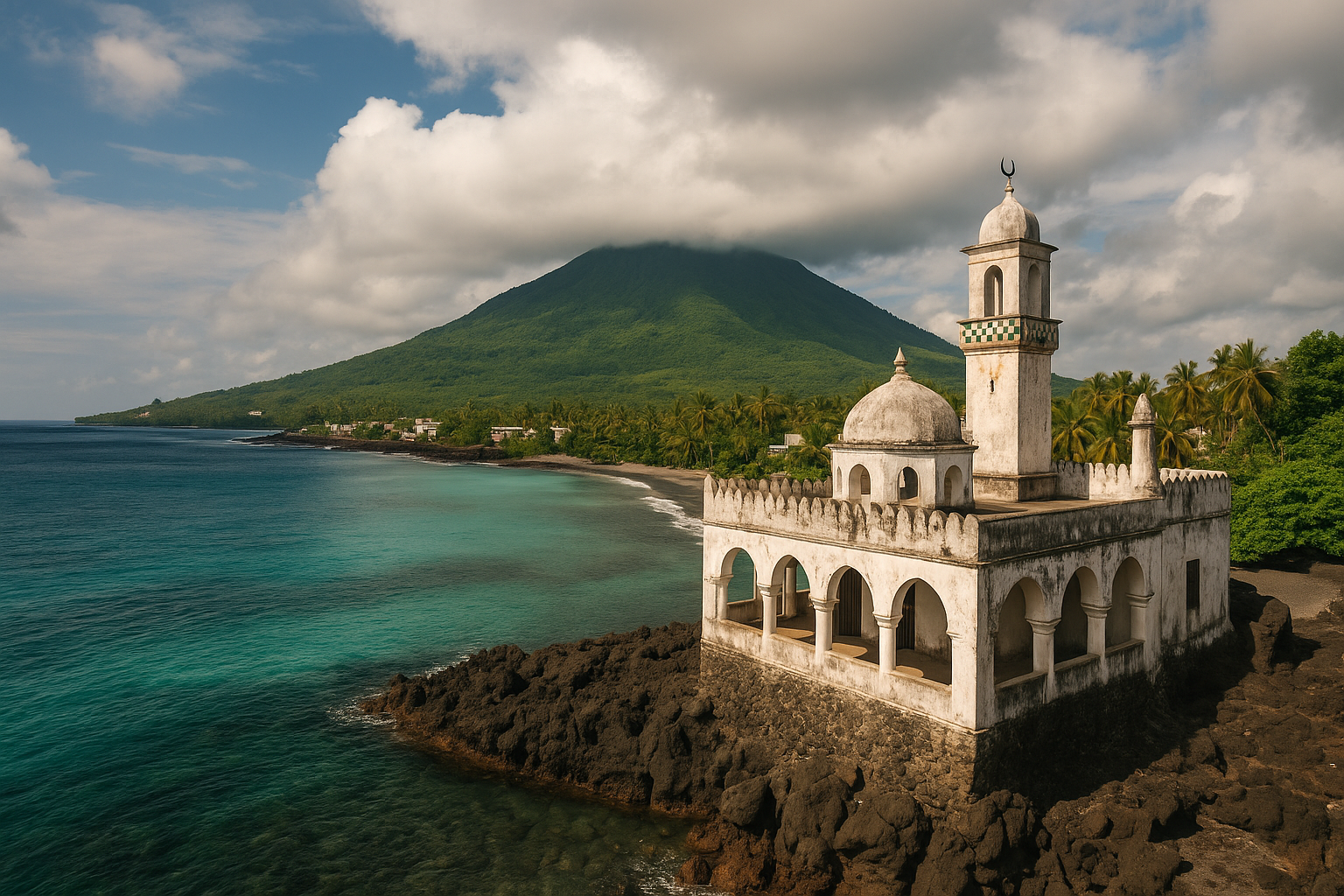
People often arrive expecting extensive tourism infrastructure; instead they find a place where spice farming, small‑scale fishing and island rhythms dominate. The active volcano on Grande Comore, Mount Karthala, is an unmistakable presence in the island’s topography and weather, and the influence of Arab‑Swahili culture — in names, food and mosque architecture — is visible alongside French administrative traces. In autumn you see all these layers shifting: the market stalls still selling dry‑season goods in October, then, by November, the first slick of wet season green.
Quick 5
Comoros
Comoros
Comoros
Comoros
Comoros
Regions
Travel Requirements
What you need to enter Comoros, for the passport you hold.
Places of interest
Landscapes in Comoros
Travel Tips