

Congo
Short description
Brazzaville, Kinshasa and the Congo River pace
From Brazzaville you can look across the wide sweep of the Congo River and see Kinshasa on the opposite bank — a layout that shapes transport, markets and daily rhythms in a way few countries share.
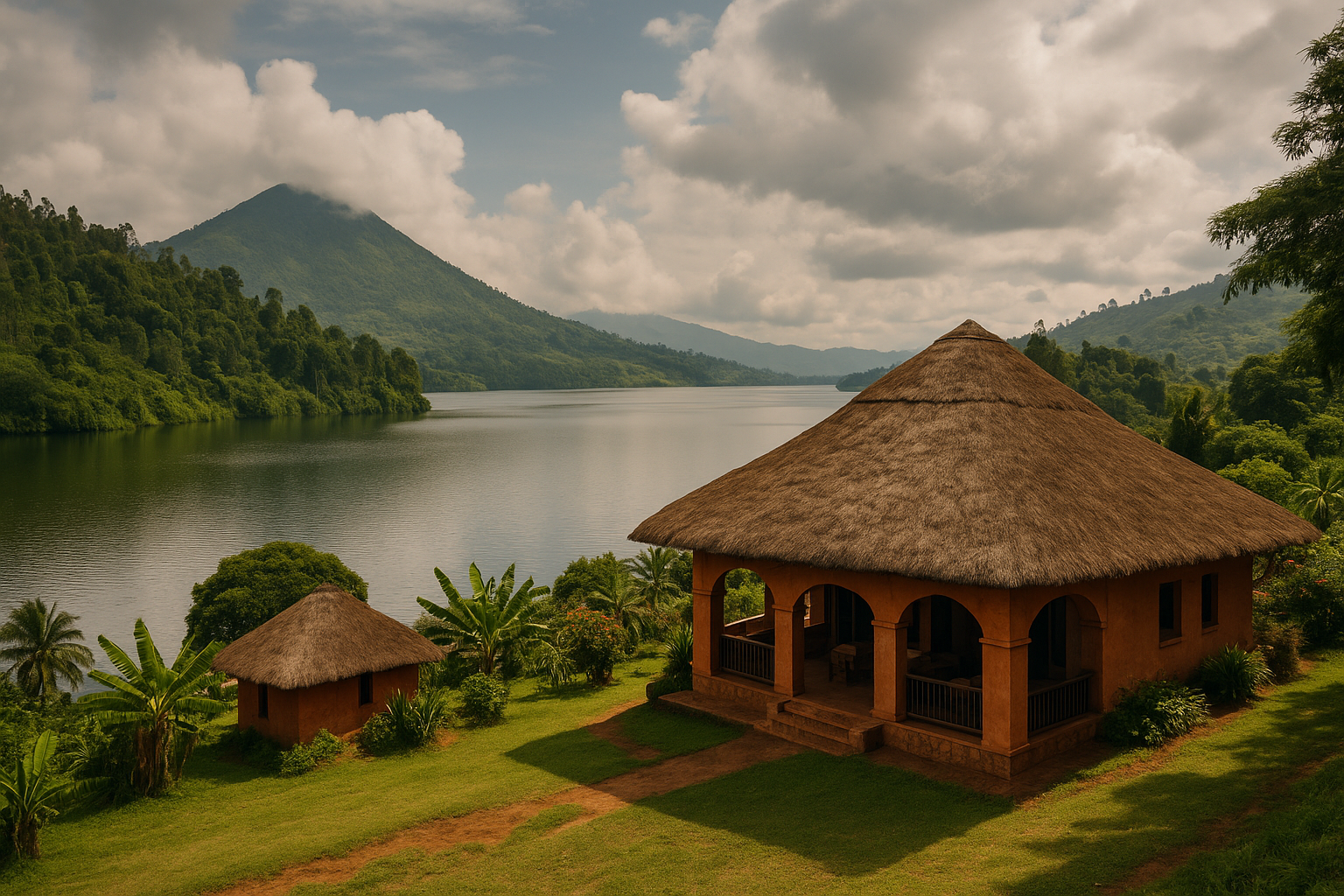
Much of the Republic of the Congo is organised around river arteries and the Pool Malebo—the river’s broad backwater between the two capitals—and that means travel and trade often nod to water first, roads second.
September–November: the turn toward rain and rising waters
Autumn in the Congo (September to November) is the transition toward the short rainy season: showers become more frequent, humidity climbs and river levels start to rise, especially on the Likouala and Sangha floodplains where tracks can turn to mud in a day.
Those rising waters push fishing communities upriver and lengthen the window for pirogue travel; in towns near the forest edge you’ll notice more palm-washers and smoke from fish-curing as rivers feed market stalls.
How travel really plays out here
The rail link between Brazzaville and Pointe-Noire remains the backbone for moving goods, while domestic flights from Maya-Maya airport are the quickest way to reach Pointe-Noire or Ouesso; expect long daytime road journeys on surfaces that vary from tarmac to corrugated laterite.
French gets you almost everywhere in official settings, while Kituba and Lingala are the working languages of markets and river ports; the Central African CFA franc is what people use in cash transactions, and inland mobile data can be patchy outside the main towns.
Daily manners, meals and what surprises visitors
Handshakes with eye contact are the commonplace greeting in towns; in village settings people will take time over a spoken greeting before business proceeds, and offering a small gift or sweets for children is a frequent icebreaker.
Meals centre on cassava (fufu or bâton de manioc), poulet moambé and saka-saka, with smoked freshwater fish common in riverside communities; a market plate shared on a wooden bench is as authentic an experience as a restaurant in Brazzaville.
Many visitors arrive expecting the Democratic Republic of the Congo; what surprises them is that the Republic of the Congo has a quieter urban rhythm and a transport network that still prefers river routes where many landscapes meet the water.
Quick 5
Congo
Congo
Congo
Congo
Congo
Regions

Travel Requirements
What you need to enter Congo, for the passport you hold.
Places of interest
Landscapes in Congo
Travel Tips