

Côte d'Ivoire
Short description
Harvest season and the weather that shapes it
September to November in Côte d'Ivoire is the season when cocoa hauling starts to dominate conversations along rural roads: trucks and small lorries leave the forested south for ports and processing centres, and markets swell with produce. The south sees a short rainy spell around September and October that can turn laterite tracks into churned mud; farther north the annual rains taper off and the air begins to dry by November. Expect afternoon showers to interrupt travel and for farm work to concentrate early in the day when the roads are firmest.
How movement and transport actually feel
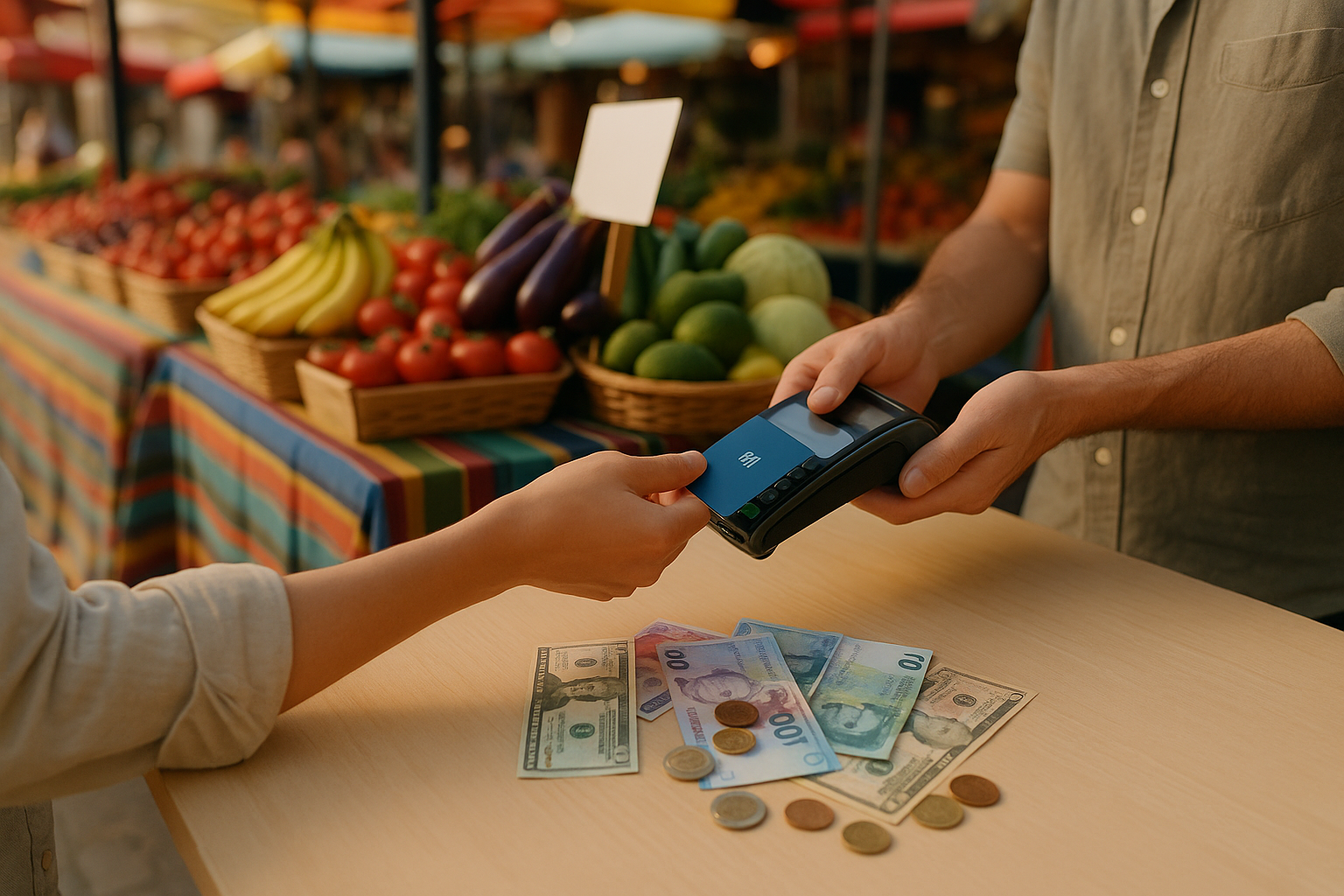
Distances look smaller on a map than they feel on the ground: journeys between regional towns are commonly measured in multi-hour bus legs, and even a 200–300 km hop can take the better part of a day because of slow junctions and weather-related delays. Inter-city buses and bush taxis run frequently; domestic flights link Abidjan with cities in the north but can shift schedules around weather and demand. Cash in West African CFA francs remains king in markets and small shops, while cards are reasonably accepted in bigger hotels and restaurants in Abidjan and Bouaké. French will get you almost everywhere, but Dioula functions as the trade language in many markets.
Daily manners and what a visitor will be met with
Greetings are important: a long handshake and asking after family on first meeting is common practice, and it pays to begin in French with a polite bonjour. Dress is generally modest outside beach areas—shorts and sleeveless tops are fine in Abidjan but might draw attention in smaller towns. Public religious life is visible: Christian and animist customs are prominent in the south while Muslim practices shape rhythms in the north, particularly on Fridays. Tipping is not obligatory; chauffeurs and guides appreciate small, direct thank-yous rather than formal service charges.
Eating here as a social act, not just a meal
Food appears in moments rather than on menus: attiéké with grilled fish is a ubiquitous lunchtime offering, alloco turns up as a late-night street snack near bars, and kedjenou is the slow-cooked, communal stew often shared at family tables. Hosts will often insist you try a plate; declining without a clear reason can be taken personally. Meals are a good way to read regional differences—the spicings and accompaniments change as you move from coastal towns into the cocoa and forest zones.
Quick 5
Regions

Travel Requirements
What you need to enter Côte d'Ivoire, for the passport you hold.
Places of interest
Landscapes in Côte d'Ivoire
Travel Tips