

Djibouti
Short description
The port smell that announces Djibouti
Arriving in Djibouti, you first notice the mix of salt, diesel and roasting spices around Djibouti City’s harbour: the port is the country’s economic heartbeat and its skyline is punctuated by the cranes and military flags that underline a practical strategic role on the Horn of Africa.
Autumn’s grip: September to November in the lowlands
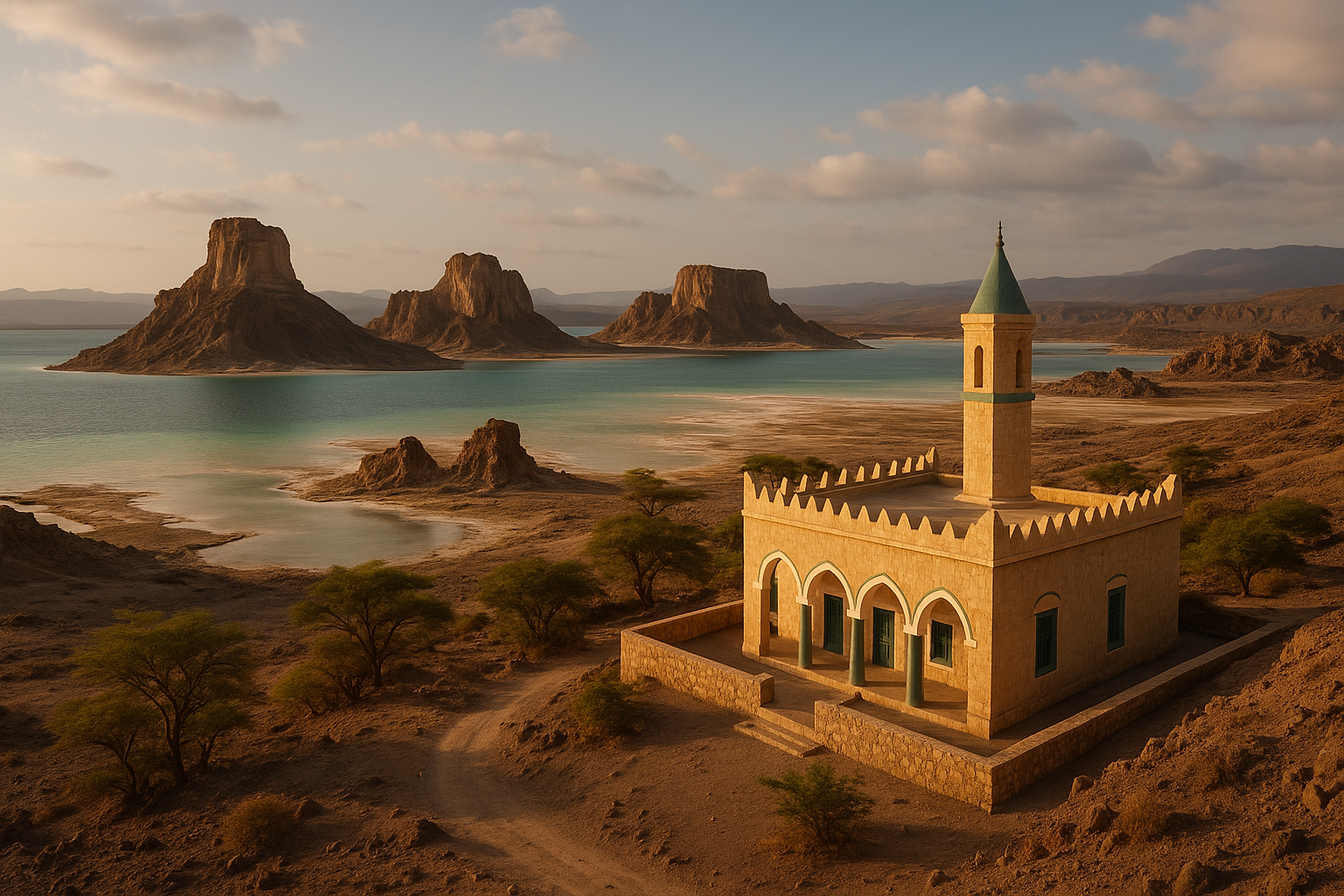
Autumn here is a gradual easing from the peak summer heat rather than a dramatic seasonal change: mornings and evenings become more comfortable by October, daytime temperatures remain sharp in the salt flats and coastal plains, and the air over the Gulf of Tadjoura clears enough for long late-afternoon walks along the waterfront. Highland rainfall patterns are still unreliable in these months, so the landscape stays scarred and ochre rather than suddenly green.
Getting around and what to expect on the roads
The country’s small size makes distances deceptive — a long day will move you from the capital to exposed volcanic plateaus — but surfaces change fast: the coastal corridor into Djibouti City is paved and busy, inland roads can be corrugated and require a 4x4, and minibuses and shared taxis form the backbone of local travel. Card acceptance is limited outside hotels and larger shops; carrying Djiboutian francs and small change makes markets and taxis easier. Mobile coverage is reliable in town; expect gaps once you head to remote lava fields or salt flats.
Daily customs to notice straight away
Most people observe Islamic practices, so the call to prayer structures the day and Friday congregational time empties business streets in parts of the city. Conversations begin with polite greetings in Somali, Afar, French or Arabic; gendered etiquette matters—handshakes between opposite sexes are not always offered. Tea and small plates appear frequently in any invitation, and refusing a small portion can be read as rude.
Things visitors often don’t expect
Beyond the port machinery and arid panoramas, visitors are surprised by how maritime the country feels: seafood markets and simple fish grills are as central as camel meat in inland dishes, and the intense visibility of foreign naval bases is an everyday backdrop rather than a remote fact.
Quick 5
Djibouti
Djibouti
Djibouti
Djibouti
Djibouti
Regions

Travel Requirements
What you need to enter Djibouti, for the passport you hold.
Places of interest
Landscapes in Djibouti
Travel Tips