
Equatorial Guinea
Short description
Malabo’s damp season rewrites the rhythms of the capital
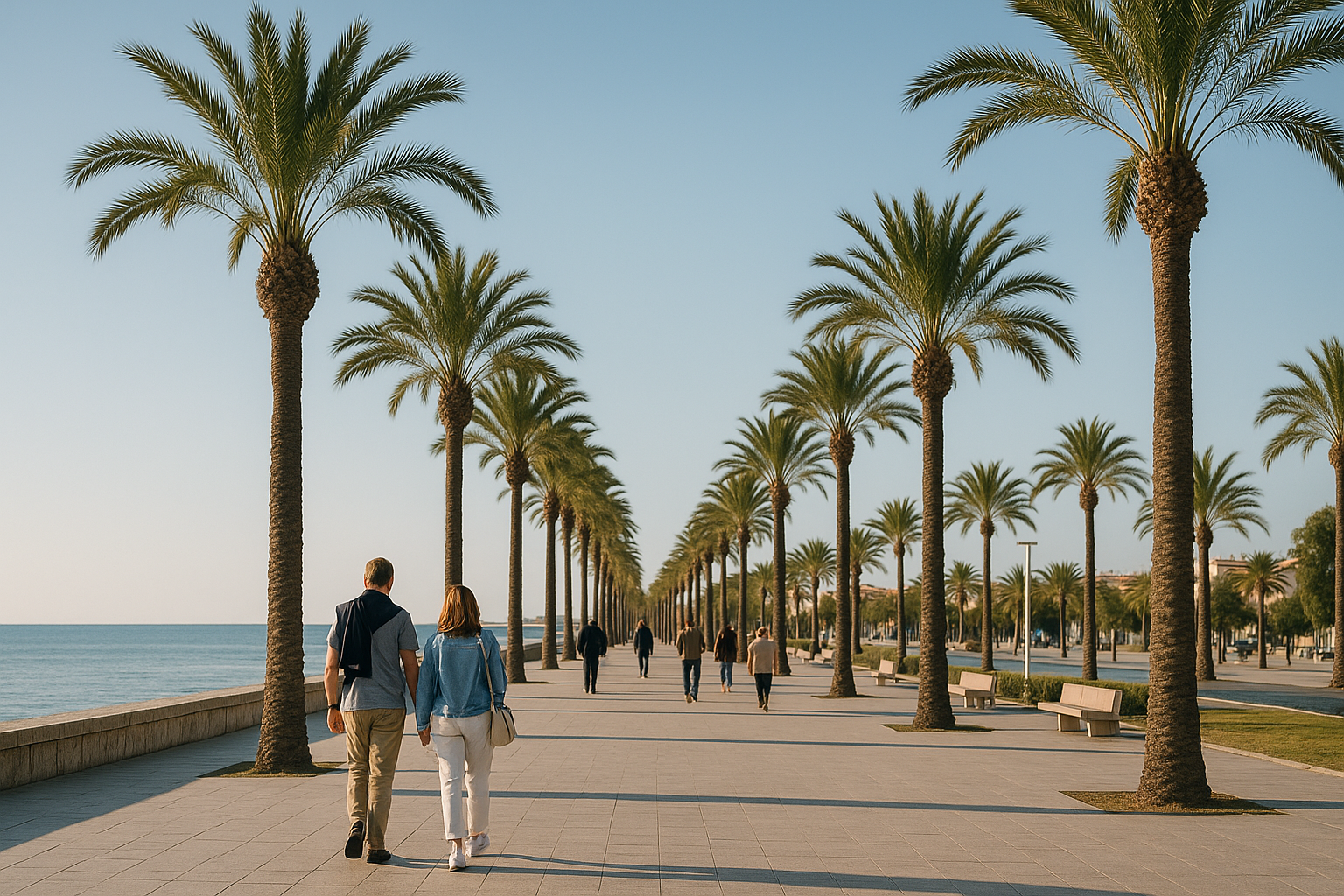
When September arrives in Equatorial Guinea the rain that defines much of the year intensifies, and Malabo’s palm-lined seafront takes on a different tempo: sudden downpours break long, humid afternoons and streets steam as water runs off the volcanic rock. That seasonal pulse is not the same on the mainland; Bioko island and Río Muni experience the autumn rains differently, but both show more green and more mud than visitors expect.
How autumn changes travel and movement
September–November is the tail end of the big wet period, and practicalities alter: dirt tracks into the rainforest become slow and in places impassable, so journeys that look short on a map take much longer; boat crossings between islands and the mainland are more likely to be postponed when squalls set in. Domestic flights link Malabo with Bata and smaller airstrips on the mainland and are the reliable way to cross the water when weather allows; ferries run but are often weather-dependent. Expect to use Central African CFA francs for most transactions—cards work in Malabo and Bata but are patchy outside the main towns, and mobile data is usable in urban centres but thin in forest hinterlands.
Daily manners, language and where you’ll be invited
Spanish is the official language you will hear in shops and on signage, but Fang, Bubi and other local languages shape conversation at markets and in villages; learning a few Spanish greetings opens doors. Handshakes and inquiries about family are the normal start to a conversation, and churches—Catholic and Protestant—remain focal on Sundays. If you are invited to a home you will likely sit with a shared plate: fish with plantain, suppa or a peanut soup are typical offers, and turning down a portion can be awkward.
What surprises first-time visitors
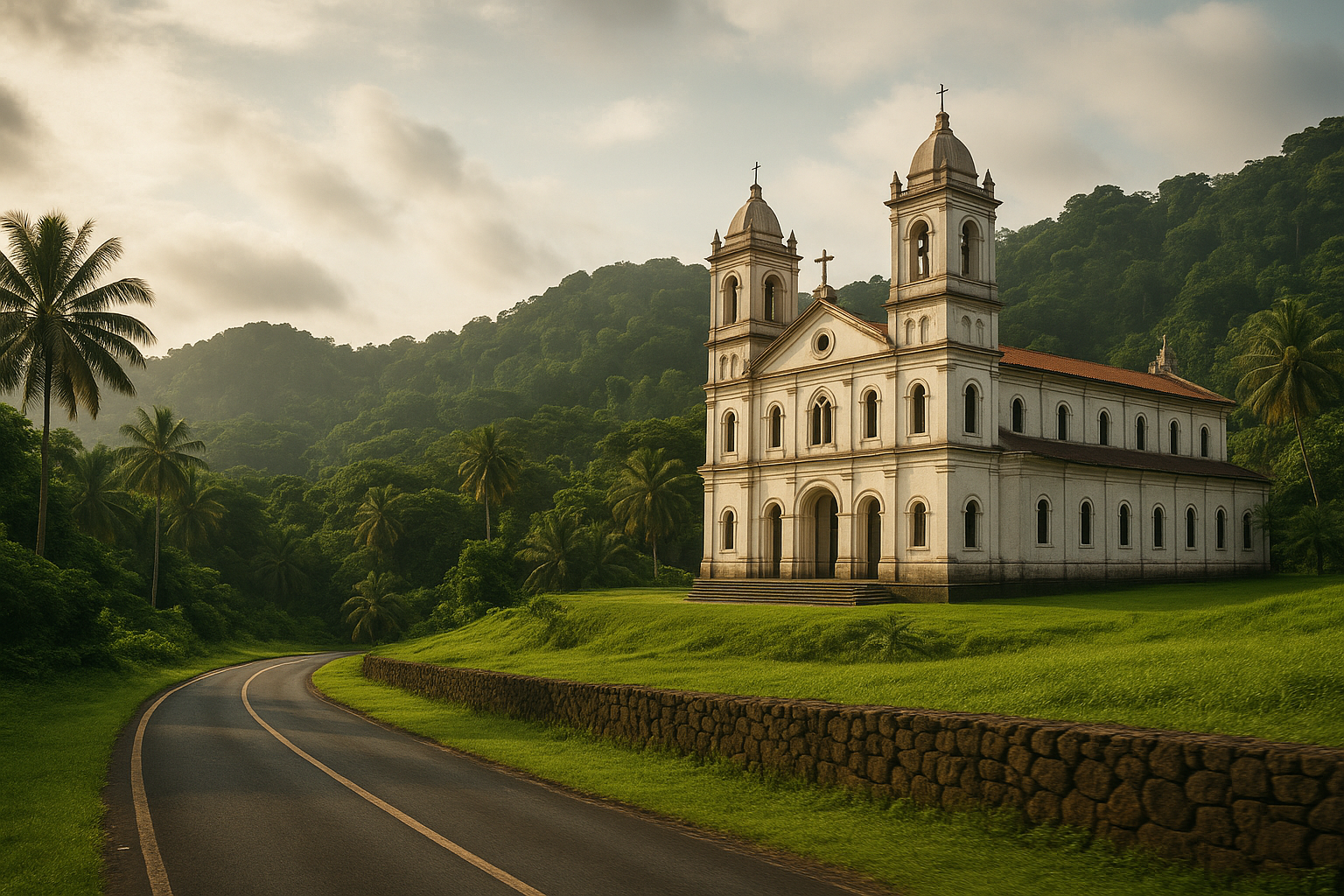
People often arrive assuming the island capital and the mainland are similar; they are not—Bioko’s volcanic contours and Bubi communities feel different from the Fang-dominated Río Muni and the oil-linked towns you pass on the roads. The country’s small population of about 1.4 million, active oil industry and dense rainforest biodiversity exist side by side in ways that repeatedly catch travellers off guard: you can see modern infrastructure in places and basic conditions a short drive away.
Quick 5
Equatorial Guinea
Equatorial Guinea
Equatorial Guinea
Equatorial Guinea
Equatorial Guinea
Regions

Travel Requirements
What you need to enter Equatorial Guinea, for the passport you hold.
Places of interest
Landscapes in Equatorial Guinea
Travel Tips