
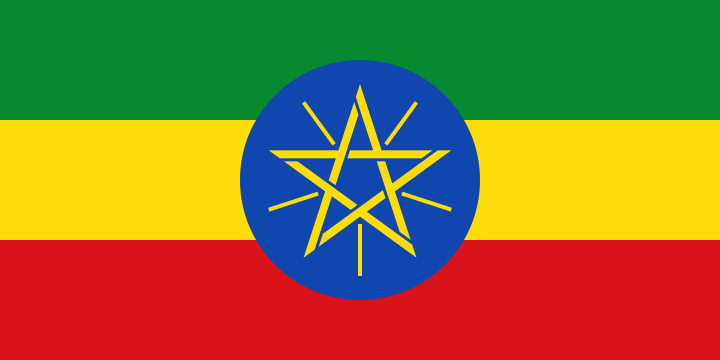
Ethiopia
Short description
Autumn in Ethiopia: calendar dates that shape daily life
September to November in Ethiopia starts with Enkutatash on September 11 and moves into Meskel on September 27 — two public rhythms that change market days, school terms and travel timetables across the country.
How the season alters the landscape and work
The long rains (kiremt) usually ease in September, leaving the highlands still green in October and the coffee belts around Sidama and Yirgacheffe busy with the main harvest in October–November; you will see women and men with sacks of fresh cherries along rural tracks and small cooperative processing sheds humming into late autumn.
Getting around Ethiopia in these months
Because Addis Ababa sits high on the central plateau, early mornings in September still carry the damp of recent rains and highland passes dry out only by late October; that makes overland journeys slower than a map suggests, and many travellers choose domestic flights on Ethiopian Airlines to bridge long distances quickly between the capital and regional hubs.
Everyday customs and what happens at mealtimes
The coffee ceremony is as common in towns during autumn as any other time of year, but harvest-time coffee will turn informal invitations into small competitions of roasted-bean aroma; communal meals on injera remain the norm, and because many Ethiopians follow Orthodox fasting rules you will often find restaurants serving full vegetarian spreads even when meat is advertised.
What visitors typically misread on arrival
Tourists often expect crowded holiday-style festivals, but Meskel and Enkutatash are local events that rearrange ordinary life — markets, offices and public transport run on different timetables and Demera bonfires or flower-giving are neighbourhood affairs rather than staged spectacles; learning a few Amharic phrases such as selam and the typical greeting exchange smooths those first days far more than guidebook advice.
Quick 5
Ethiopia
Ethiopia
Ethiopia
Ethiopia
Ethiopia
Regions

Travel Requirements
What you need to enter Ethiopia, for the passport you hold.
Places of interest
Landscapes in Ethiopia
Travel Tips