

Gambia
Short description
How the River Gambia sets the tempo
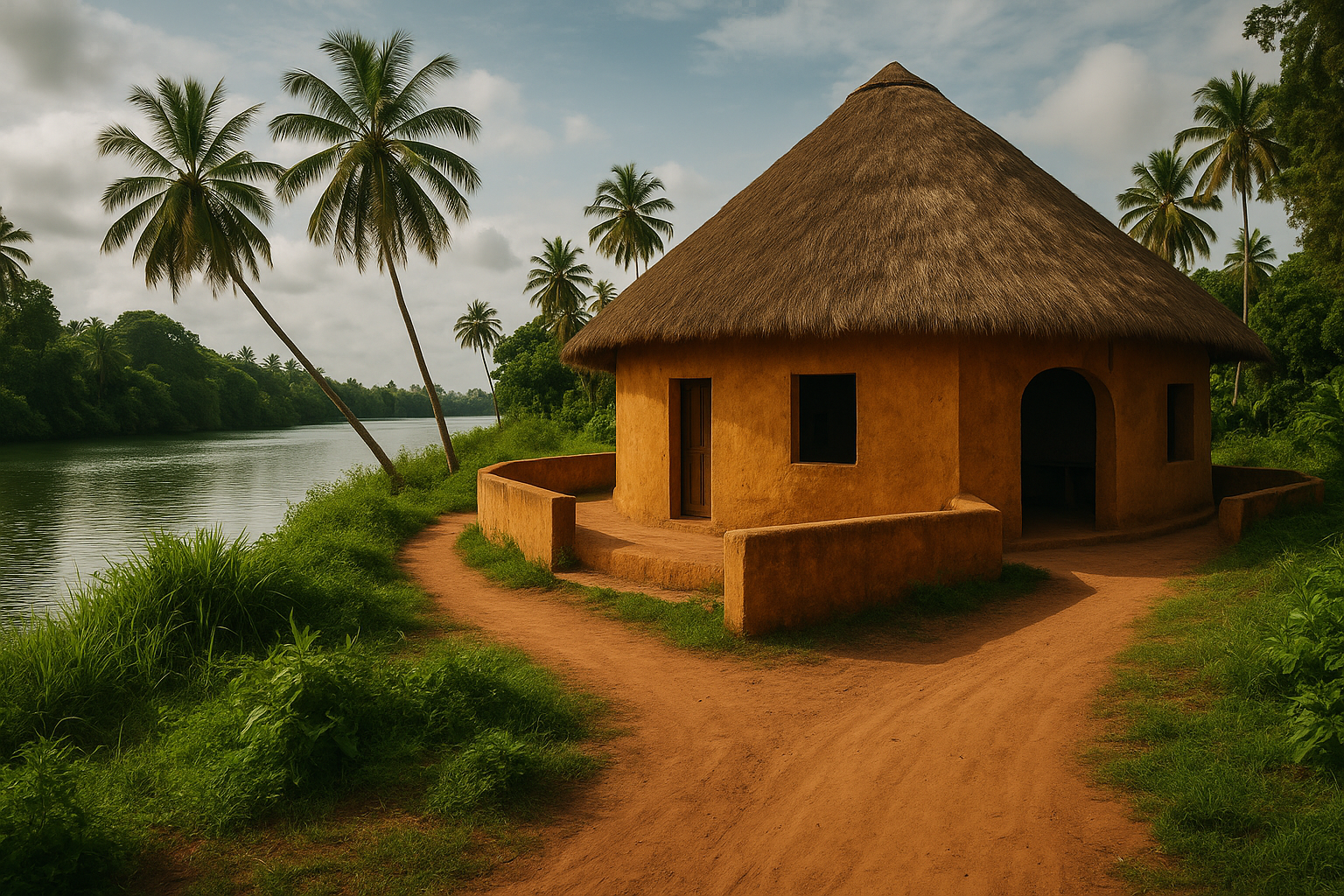
Travel here feels organised around a single spine: the River Gambia. Towns, roads and ferry crossings align with its bends, so a morning spent in the capital, Banjul, can be followed by an afternoon on a pirogue in a mangrove-lined creek upriver. That linear geography keeps distances deceptive—places that look close on a map still depend on the river’s crossings and the timetables of local ferries.
Autumn in Gambia: the rains ease, the landscape reorganises
Between September and November the long wet season is breaking up. September still brings heavy showers that slick the laterite tracks and swell the river; by November the edges of rice paddies and peanut fields dry out and small-scale processing of groundnuts becomes visible at village markets. Birds are conspicuous at this time as rainbirds and migrants move through the remaining wetlands along the river.
Practical travel: roads, money and how people move
Mainland travel relies on shared minibuses and private taxis; minibuses often wait until they’re full and leave without a strict timetable, while pirogues and the occasional vehicle ferry are the practical way to cross the river outside major bridges. Expect to use Gambian Dalasi for most transactions—cash is the routine in markets and for local transport, with cards accepted only at larger hotels in Banjul and a few coastal resorts. English is the official language, but you’ll do better in market bargaining and informal conversation if you know a few phrases in Mandinka or Wolof.
Food, cadence and small rules at the table
Meals are rhythm markers: domoda (peanut stew) and benachin (one-pot rice) appear in family kitchens and at roadside trays, often offered first to elders. You’ll frequently be invited to share ataya, the three-round tea ritual, where refusal can be taken personally; accept at least one round. Dress modestly in towns and around places of worship—Gambia’s daily pace pauses for Friday prayer in Muslim communities, and shop hours can reflect that.
What visitors often notice too late
People are quick to point at beaches near the Atlantic but forget the country is defined by the river and its communities; once you notice the day-to-day trade of groundnuts, the ferry rhythms and the ataya ritual, the country’s movement becomes plain.
Quick 5
Gambia
Gambia
Gambia
Gambia
Gambia
Regions

Travel Requirements
What you need to enter Gambia, for the passport you hold.
Places of interest
Landscapes in Gambia
Travel Tips