

Ghana
Short description
Accra mornings and the inland pace
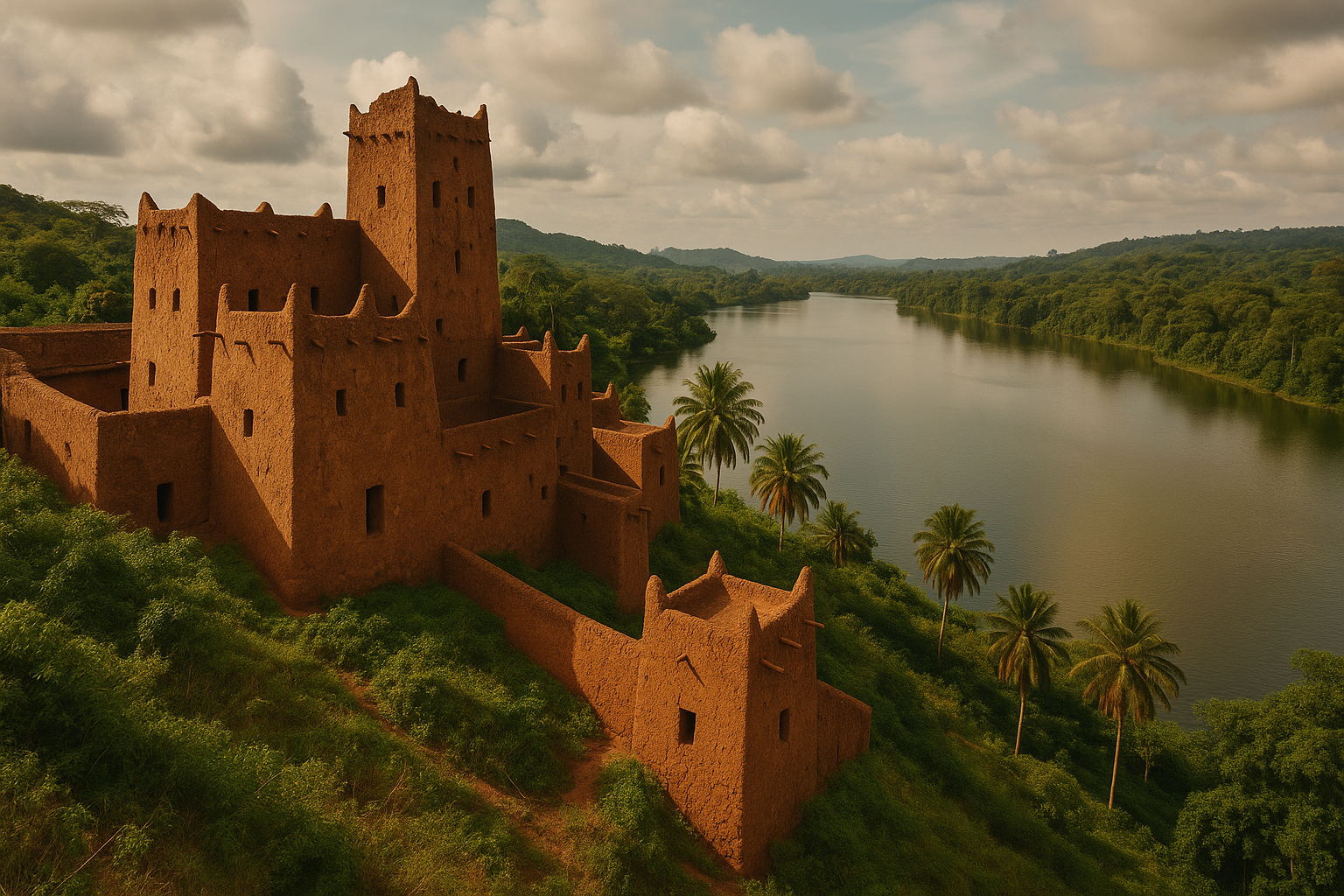
In September Accra’s main roads still carry the smell of fried plantain and the drumbeat of early-market traders, while a few hours north the landscape opens into the red earth and open savannah of the Ashanti and Northern regions.
What autumn actually does in Ghana
September to November is the bridge between the main rains and the drier months: southern Ghana sees the tail of the second rainy season in September, which means intermittent heavy showers and puddled back roads, then clearer skies by November; in the north the rains taper off and farmers move into harvest. Cocoa activity ramps up across the forest belt — you will notice sacks of beans and trucks heading for processing — and school terms restart in many towns in September, returning students to streets and buses.
How to move and pay during these months
Journeys that look short on the map take longer: what feels like a day trip — Accra to Kumasi or to the central coast — often becomes a half-day by shared minibus or trotro because of traffic, stops and speed changes after rain. Major highways are generally paved; smaller roads can be deeply rutted after a downpour. Mobile money is everywhere for market purchases and taxis, while international cards work mainly at hotels and larger restaurants; carrying some cash for roadside stalls and trotro fares is still normal. English will get you through official interactions, but a few words of Twi or Ga are appreciated in markets and on buses.
Manners, meals and what visitors will notice first
Ghanaians expect greeting rituals: callers usually ask after family before business, and elders are addressed first in a group. Mealtimes follow patterns — roadside waakye or kenkey sellers are busiest early and late in the day — and a shared bowl of fufu or banku is presented with informality that can feel intimate to newcomers. Dress is generally casual in daytime urban settings, but neat attire is common for church services, funerals and official visits; funerals, in particular, are social events with elaborate dress and can occur at any time of year.
Quick 5
Ghana
Ghana
Ghana
Ghana
Ghana
Regions

Travel Requirements
What you need to enter Ghana, for the passport you hold.
Places of interest
Landscapes in Ghana
Travel Tips