
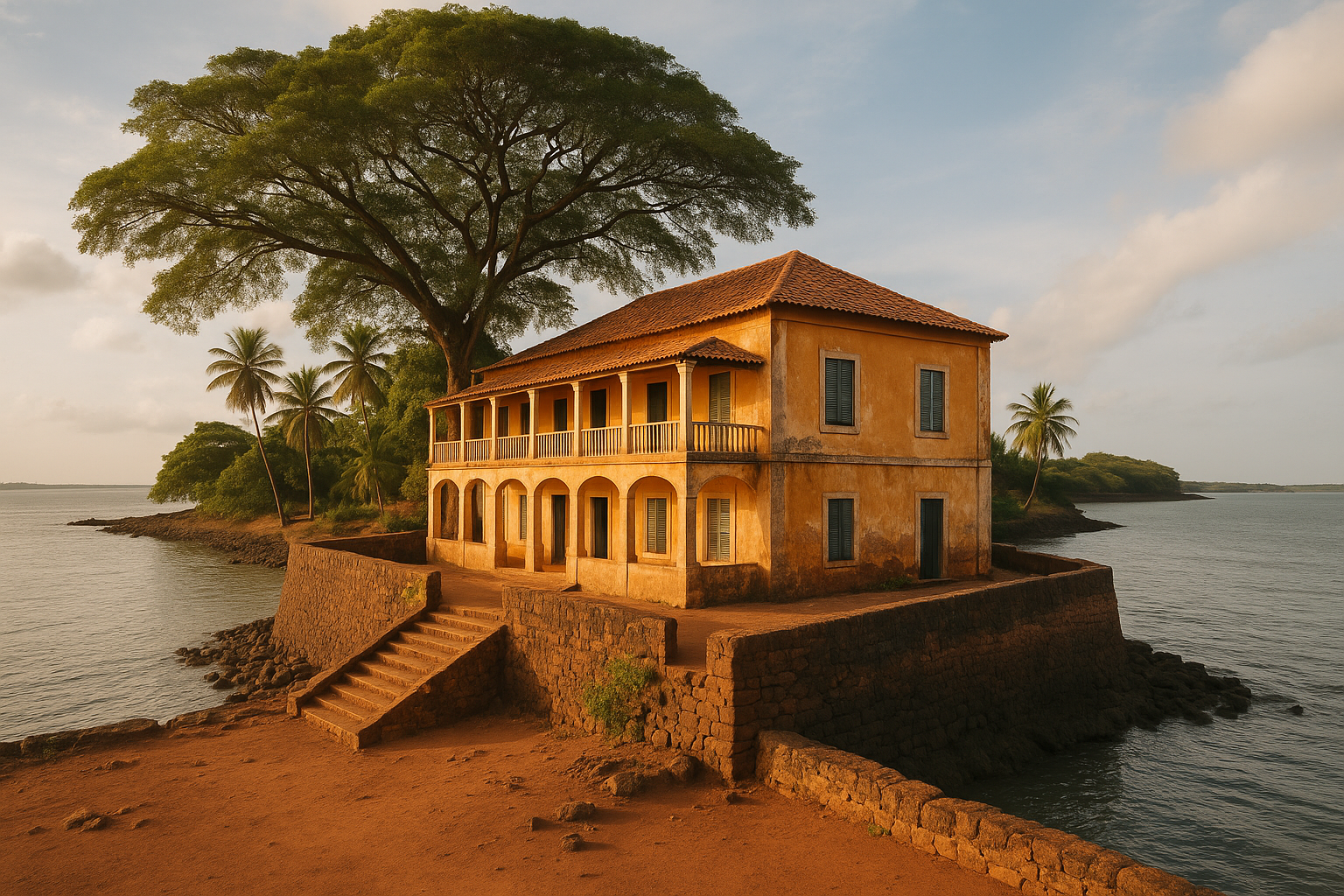

Guinea-Bissau
Short description
Rain at the mouth of the Geba: what September–November changes
September still brings heavy, short-lived downpours to Guinea-Bissau’s mangrove-lined estuaries; by November the rains ease and the tidal creeks begin to settle into the dry-season rhythm. That shift matters here: roads that turn into rivers in September are passable again by mid-November, and the light on the Bijagós archipelago goes from low and grey to sharp and bright as the humidity drops.
How the place moves in autumn
Travel across the country feels determined by water: pirogues and public speedboats are the practical routes between islands and coastal villages while many interior tracks remain sticky for weeks after a downpour. A trip that looks short on a map — say Bissau to the Bolama region — can take far longer when ferries run to weather and rough seas, and minibuses tend to bunch up around market days rather than run to strict timetables.
Daily rhythms and what people actually say
Portuguese is the official language, but Guinea-Bissau Creole (Kriol) is the everyday tongue across ethnic groups; using a few Kriol phrases opens more doors than formal Portuguese in village markets. Conversations typically begin with enquiries about kin and health rather than a direct question; expect politeness that favours patience—business in many places proceeds at the pace of a shared cup of coffee.
Eating, markets and the season’s produce
Autumn is when local kitchens pivot from rain-fed vegetables to the early cashew season: roadside traders start selling freshly picked cashew apples and the markets fill with green peanuts. Food is centred on rice and stews — domoda (peanut stew), caldo de mancarrá and tigua turn up in household bowls — and grilled fish is sold hot from market stalls after morning landings. Meals are commonly communal; a visitor is likely to find portions served from a single pot rather than plated separately.
Expectations visitors often get wrong
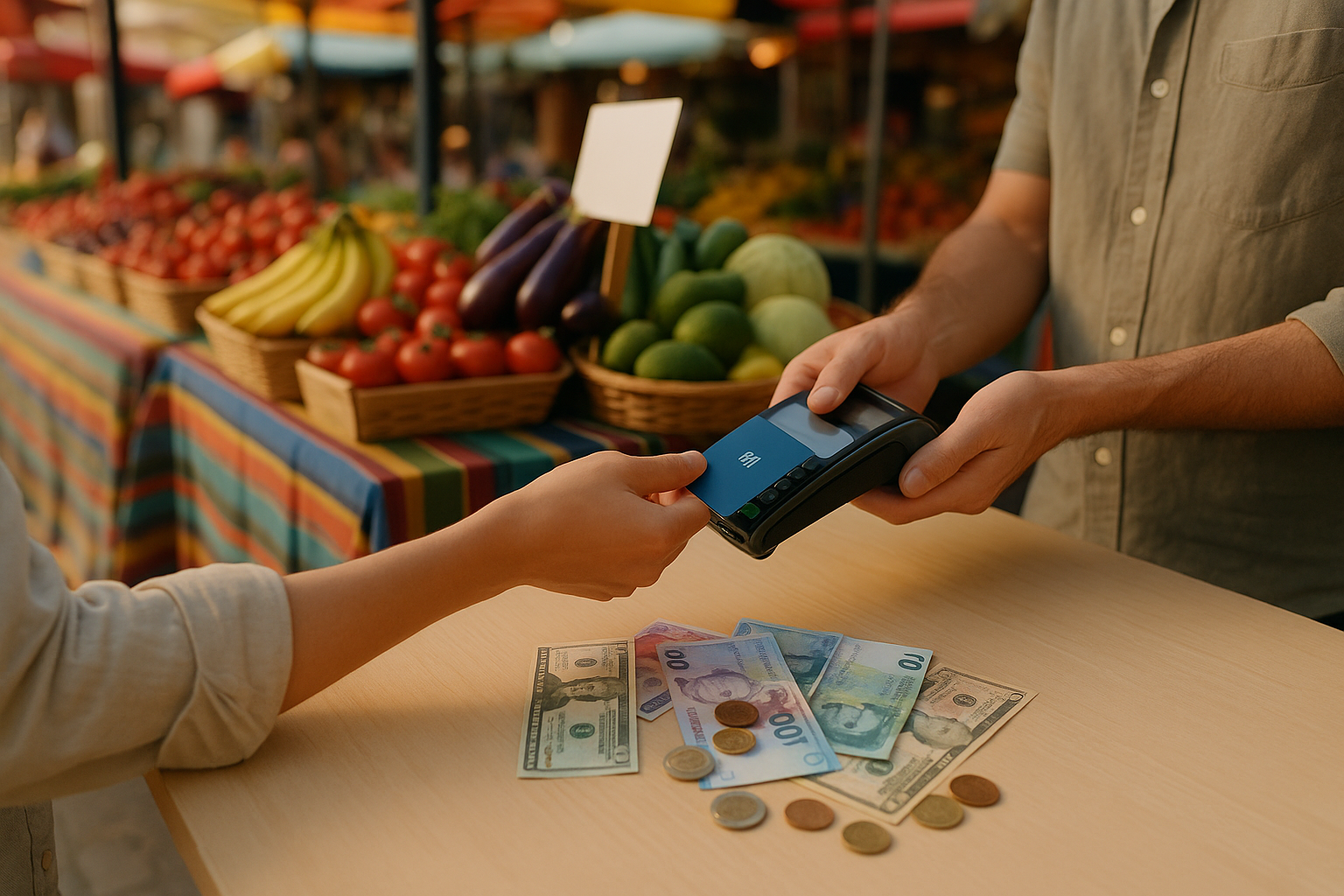
Many travellers assume Portuguese will be enough and that services run to European timetables; instead you’ll find that Kriol-speaking vendors, irregular electricity supply and an economy that runs on CFA cash shape daily life more than guidebook checklists.
Quick 5
Guinea-Bissau
Guinea-Bissau
Guinea-Bissau
Guinea-Bissau
Guinea-Bissau
Regions

Travel Requirements
What you need to enter Guinea-Bissau, for the passport you hold.
Places of interest
Landscapes in Guinea-Bissau
Travel Tips