
Libya
Short description
How Libya feels in autumn
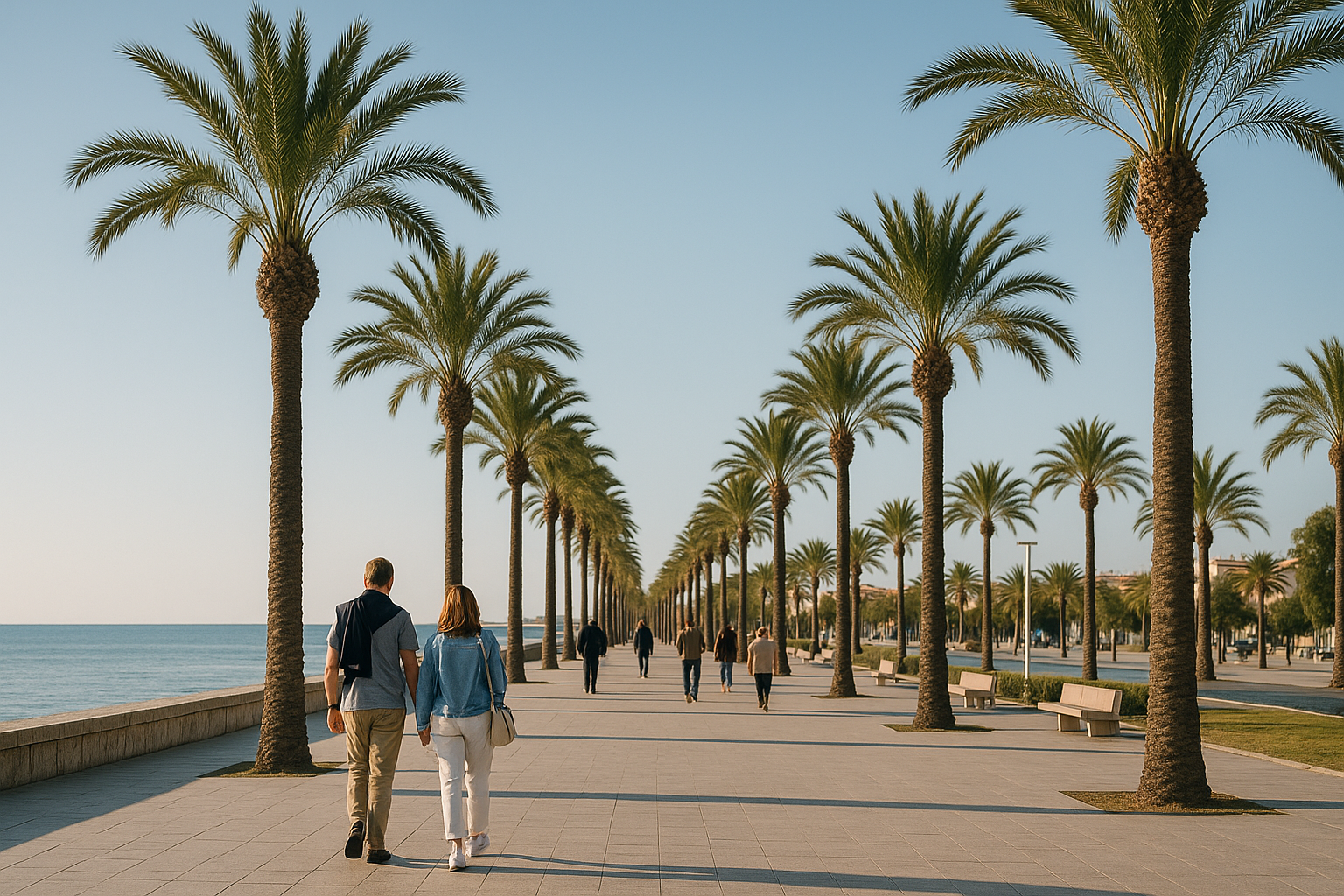
In Libya between September and November the coast cools from relentless summer heat and the emptying of seaside cafés is noticeable: fishermen mend nets, and mornings are often clear before the short, humid afternoons return.
What autumn brings to Libyan life
Autumn in Libya is olive season along the Jefara plain and in the Nafusa Mountains, so village markets begin to sell fresh green olives and pressed oil; in cities the rhythm shifts from long, late evenings to earlier family meals as daylight shortens.
Getting around Libya in these months
Distances in Libya are large and literal—coastal drives from Tripoli past Misrata towards Benghazi take much of a day, while the desert interior opens for expeditions once the extreme summer heat eases; expect to rely on private cars or local minibuses and to pay in Libyan dinars, because card acceptance is limited outside major hotels.
Daily manners and what to expect on day one
Arabic is the official language in Libya, and greetings usually begin with As-salamu alaykum; in western regions you will also hear Tamazight (Berber) spoken, and conservative dress is more common in smaller towns than on the coast, where western styles are more visible.
Eating and social routines during autumn
In Libya meals remain a communal affair: families often eat a substantial mid-day lunch, bread arrives hot from local ovens, and dishes such as couscous, bazin and stews are shared from a central platter; tea and small sweets will be offered after a meeting or handshake and declining once or twice is polite before accepting more.
What surprises visitors to Libya in autumn
Many travellers expect constant desert heat, but in Libya autumn brings not only cooler coastal air but also dust-bearing sirocco days and a return of local agricultural markets, so the country feels both emptied of high-summer tourism and busier where olives and seasonal produce exchange hands.
Quick 5
Libya
Libya
Libya
Libya
Libya
Regions

Travel Requirements
What you need to enter Libya, for the passport you hold.
Places of interest
Landscapes in Libya
Travel Tips