
Mauritania
Short description
Nouakchott's market mornings and the desert's hush
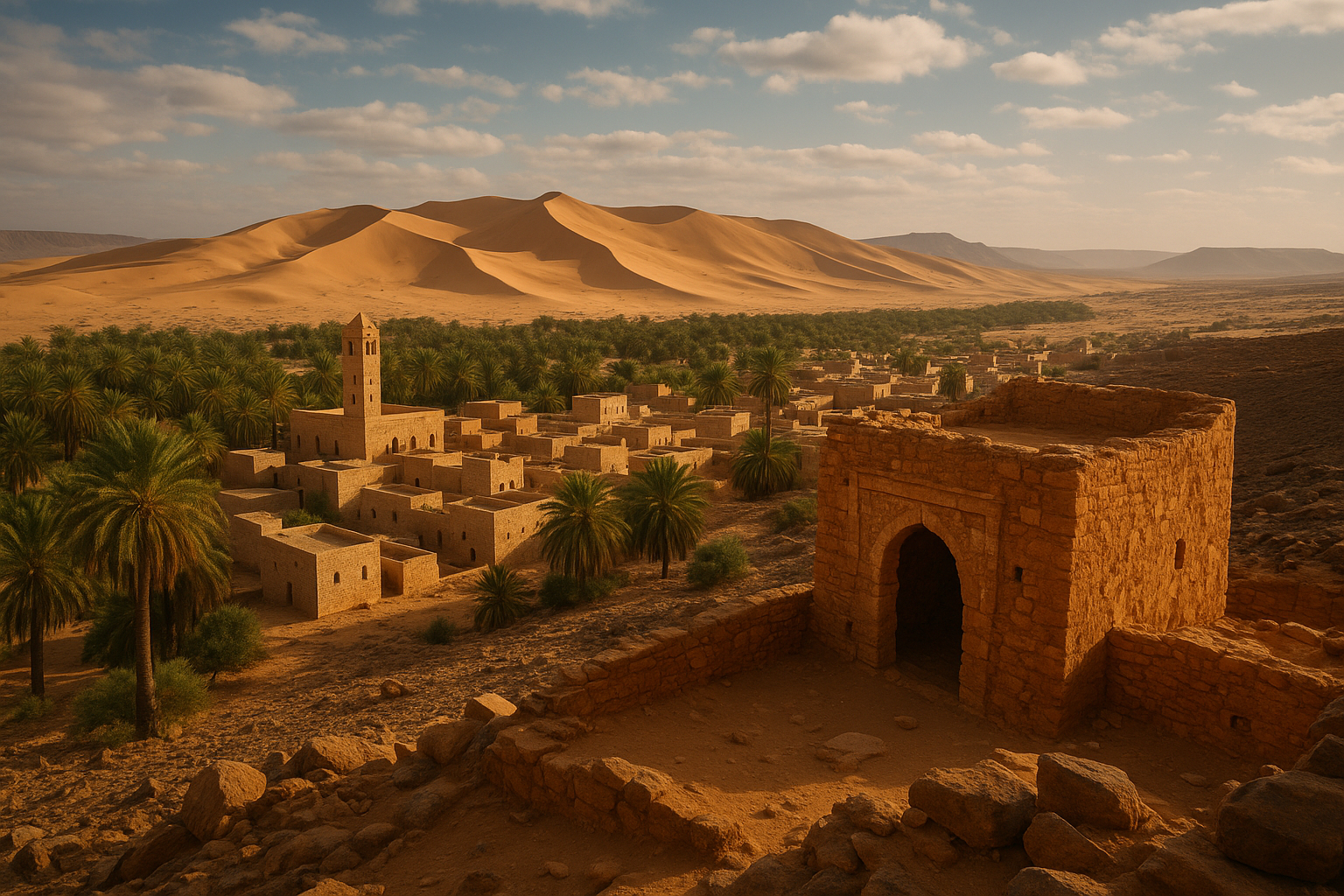
In Nouakchott in September the air smells of packed fish and diesel as pirogues from small fishing ports unload alongside the Atlantic, a reminder that Mauritania’s Atlantic shelf is the country’s busiest economic edge while the Sahara begins immediately inland. The country feels long and spare: a low-rise coastal strip, a thin green Sahel band to the south and a vast Saharan interior where settlements are small and night temperatures drop quickly once the sun sets. The iron-ore railway that runs from the mining town of Zouérat to the port at Nouadhibou is an unmistakable piece of modern infrastructure cutting through that emptiness.
Autumn in Mauritania (September–November): what these months do
September often marks the tail end of the brief Sahelian rains in southern provinces; by October and November most of the temporary pools have gone and the landscape tightens to ochre and stone. On the coast autumn still holds warmth but sea breezes make late afternoons comfortable; migratory birds pass through Banc d'Arguin and shorelines feel busier with fishing activity as the upwelling-rich waters drive a reliable catch season. Nights in the desert cool noticeably by November — bring layers if you head inland.
How travel around Mauritania actually works in autumn
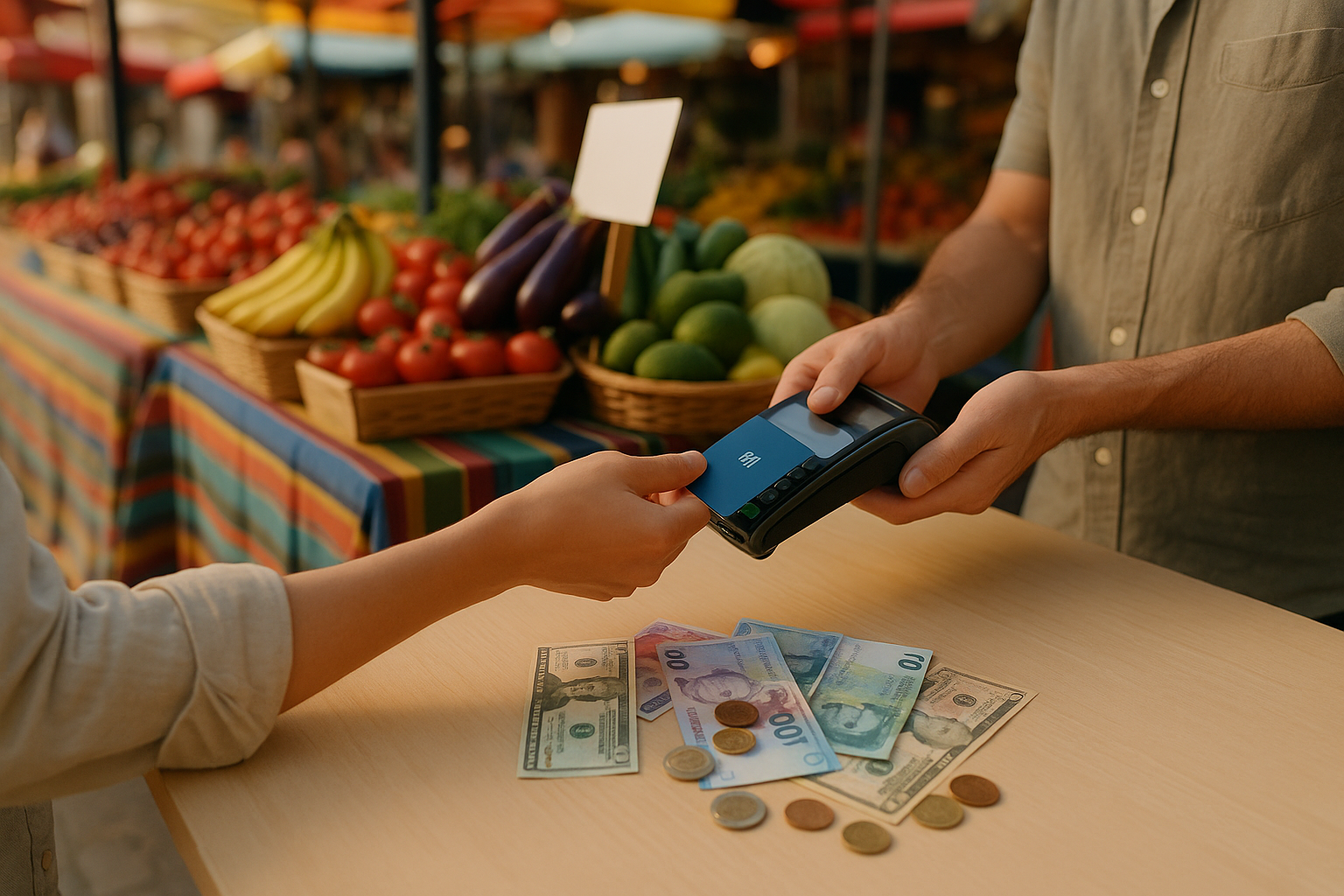
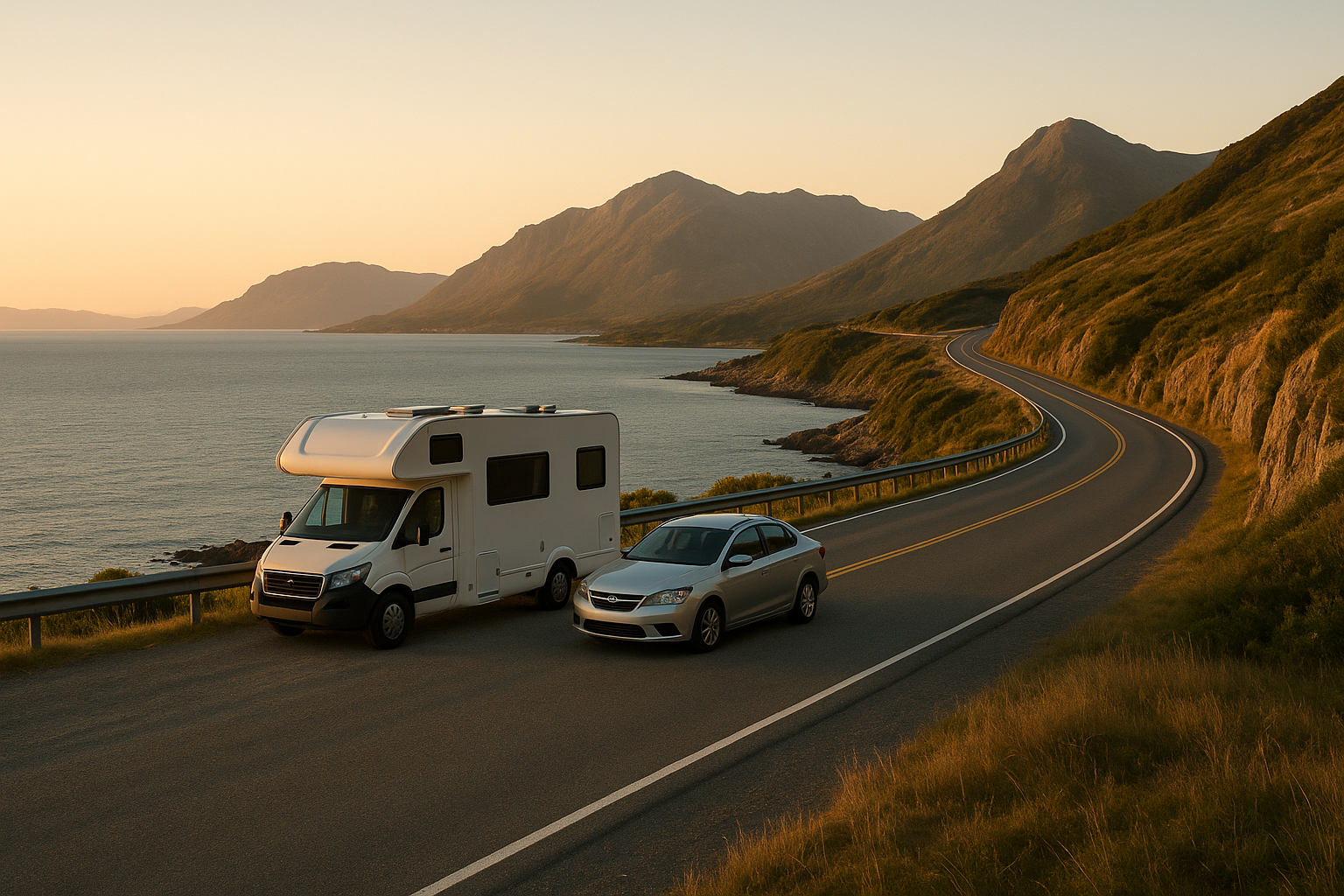
Expect long days on the road: distances between towns look short on a map but average speeds fall because many principal highways are single carriageway or sand-cut tracks beyond the main coastal corridor. Shared taxis and long-distance minibuses are the default intercity option; four-wheel-drive hire is practical for desert travel but requires a driver familiar with the tracks. Domestic flights exist but are intermittent; cash in ouguiya is needed outside Nouakchott and Nouadhibou, where credit cards are sometimes accepted. Mobile SIMs are sold in the capital and give decent coverage along the coast but can be patchy inland.
Daily manners, eating and what will be offered
Hassaniya Arabic shapes everyday speech and greetings — a polite As-salamu alaykum opens most encounters — and public life is paced around prayer times, with shops briefly closing at calls to prayer. Dress modestly in towns and especially in rural areas. Tea is a social ritual: expect multiple rounds of strong mint tea at invitations — declining can be awkward. On the coast seafood and versions of thiab (fish with rice) are everyday food; in Nouakchott fish markets supply many family kitchens in the morning, and trying a simple plate of seafood couscous or the local fish-and-rice preparations is the clearest way to understand coastal life.
Quick 5
Mauritania
Mauritania
Mauritania
Mauritania
Mauritania
Regions

Travel Requirements
What you need to enter Mauritania, for the passport you hold.
Places of interest
Landscapes in Mauritania
Travel Tips