
Mozambique
Short description
Mozambique in September–November: the coast heats up and the sky readies for rain
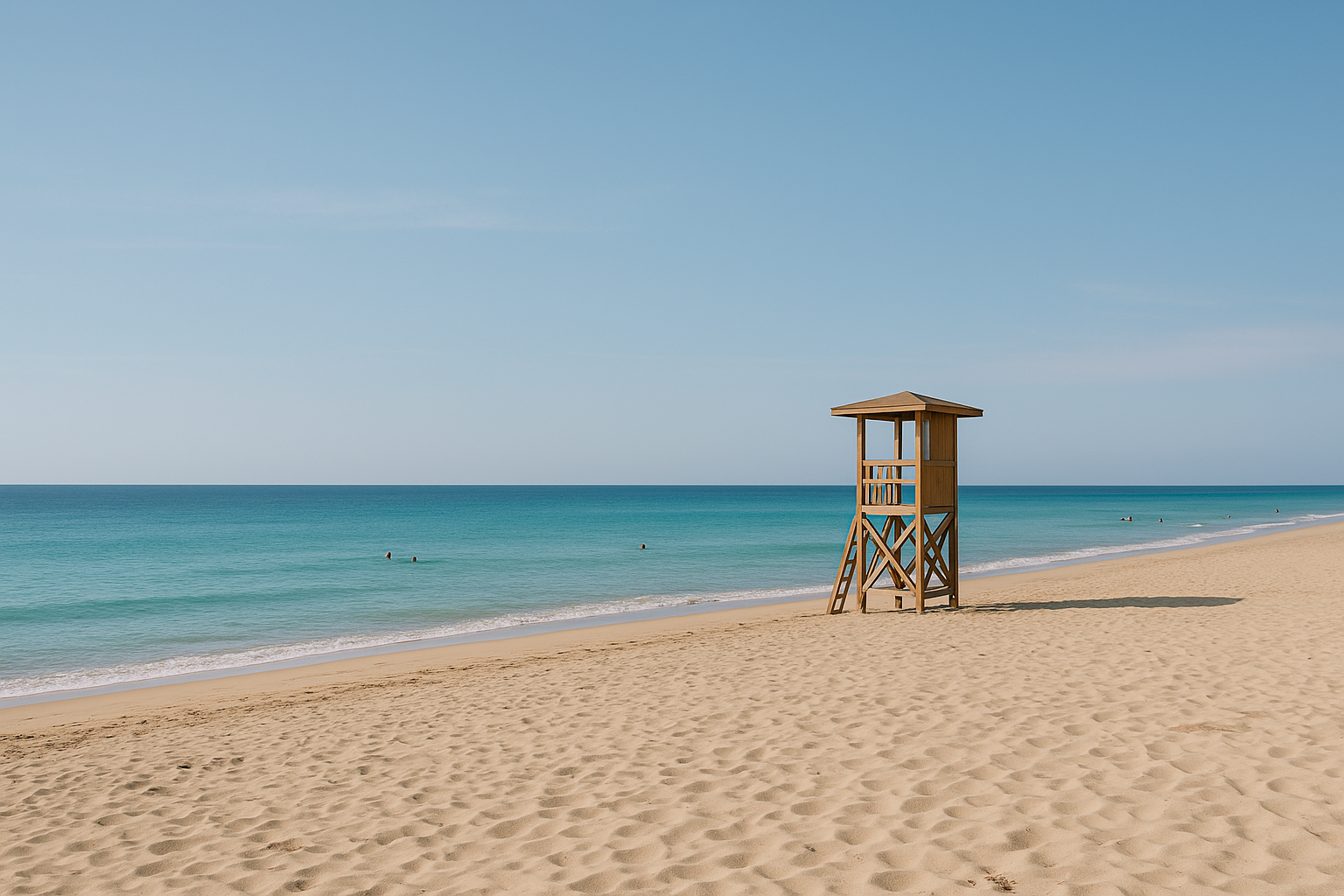
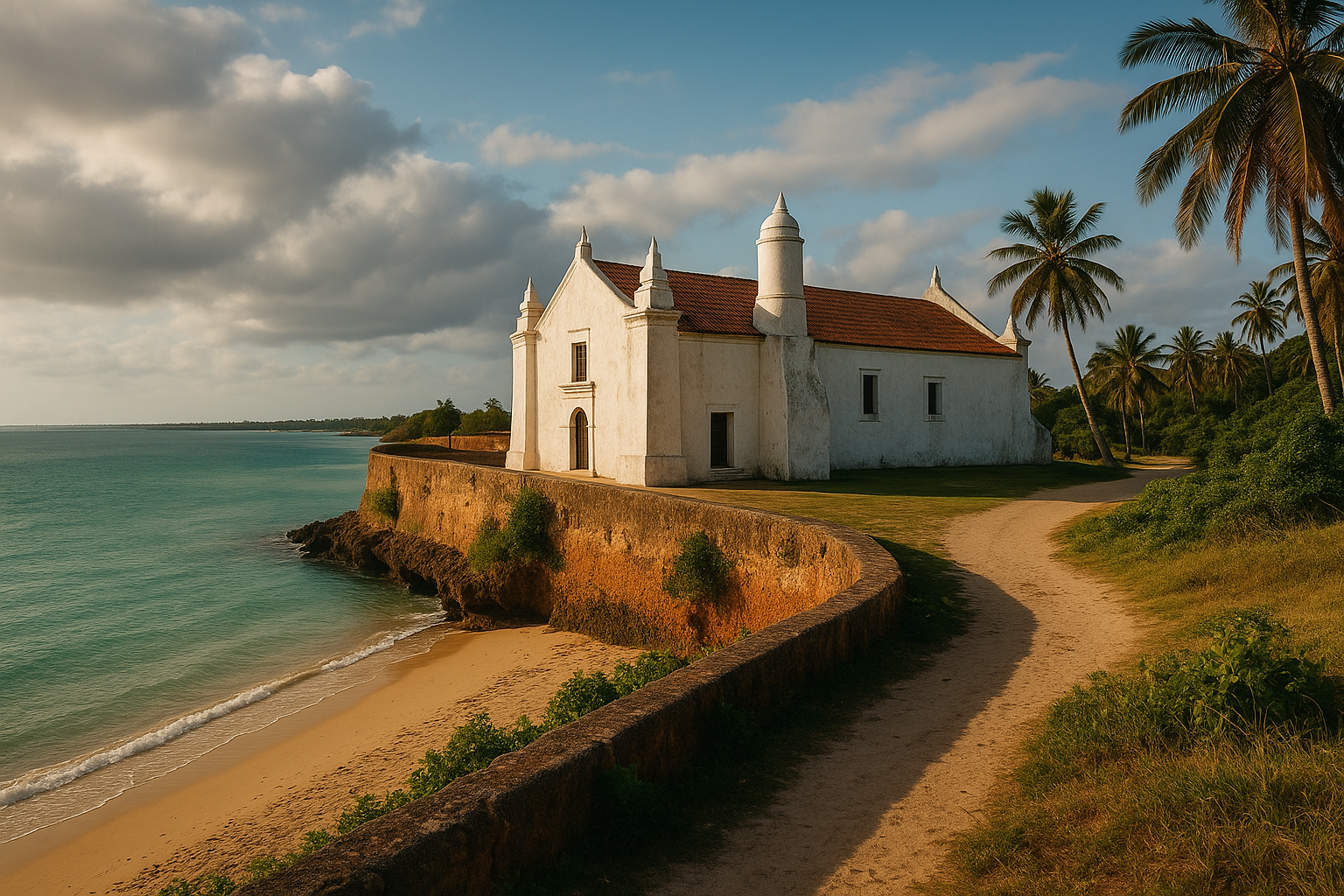
September to November in Mozambique is the transition from the cooler, drier winter into a season when daytime heat builds along the coastline and the first humid thunderstorms begin to arrive in the north and centre; by late November the air smells of sea salt and wet earth where the rains start. On the capital’s waterfront you will notice vendors switching from heavy soups to grilled prawns and cold drinks as the temperature climbs through October.
How moving around Mozambique feels at this time
Travel in Mozambique still means long stretches between towns: even when distances look short on a map, the main coastal road can be slow and roadworks or river crossings add hours, so a Maputo–Beira journey takes most of a day by coach. Chapa minibuses handle short hops between towns, national coaches link major cities and LAM operates domestic flights that are worth booking if you want to save time before the rains close unpaved tracks. Mobile data works well in Maputo, Nampula and other provincial centres but outside those hubs Mozambique’s coverage thins rapidly, and local meticais are preferred at markets and beach barraques.
Daily life and the small rules you’ll meet in Mozambique
In Mozambique people commonly open conversations with Portuguese phrases such as bom dia or boa tarde, and elders expect a polite handshake; in the south you will hear xiRonga on the street while Emakhuwa or Sena are more common further north. Shops and cafés in many towns close for a long lunch, and social life moves outdoors in the late afternoon when the heat eases—expect neighbours to gather around small charcoal grills in compound courtyards as evening arrives. Tipping is modest and informal in Mozambique; if you enjoyed a meal most servers accept a small extra as thanks.
Eating in Mozambique between September and November
Food in Mozambique is coastal and communal at this time: peri‑peri chicken is everywhere but so are matapa and xima served with fish or shellfish straight from the warm Indian Ocean. In places like Inhambane and along the northern archipelago you will be offered prawns or crab from local fishers, often cooked simply and eaten with hands; trying a beachside barraca’s charcoal-grilled seafood gives a clearer sense of Mozambican eating rhythms in these months than any restaurant review.
Quick 5
Mozambique
Mozambique
Mozambique
Mozambique
Mozambique
Regions

Travel Requirements
What you need to enter Mozambique, for the passport you hold.
Places of interest
Landscapes in Mozambique
Travel Tips