

Namibia
Short description
September to November: Namibia’s warming and the first rains
September brings a noticeable climb in temperature across Namibia’s interior: the gravel pans and Nama Karoo scrub start to bake, days lengthen and the air feels thin and dry—until late November, when the far north and central highlands often register the season’s first thunderstorms. Along the Skeleton Coast and in Swakopmund the Atlantic fog still keeps mornings cool, so you can be sweating in the veld and reach the coast an hour later to find a sweater useful.
How Namibia actually feels under wide skies
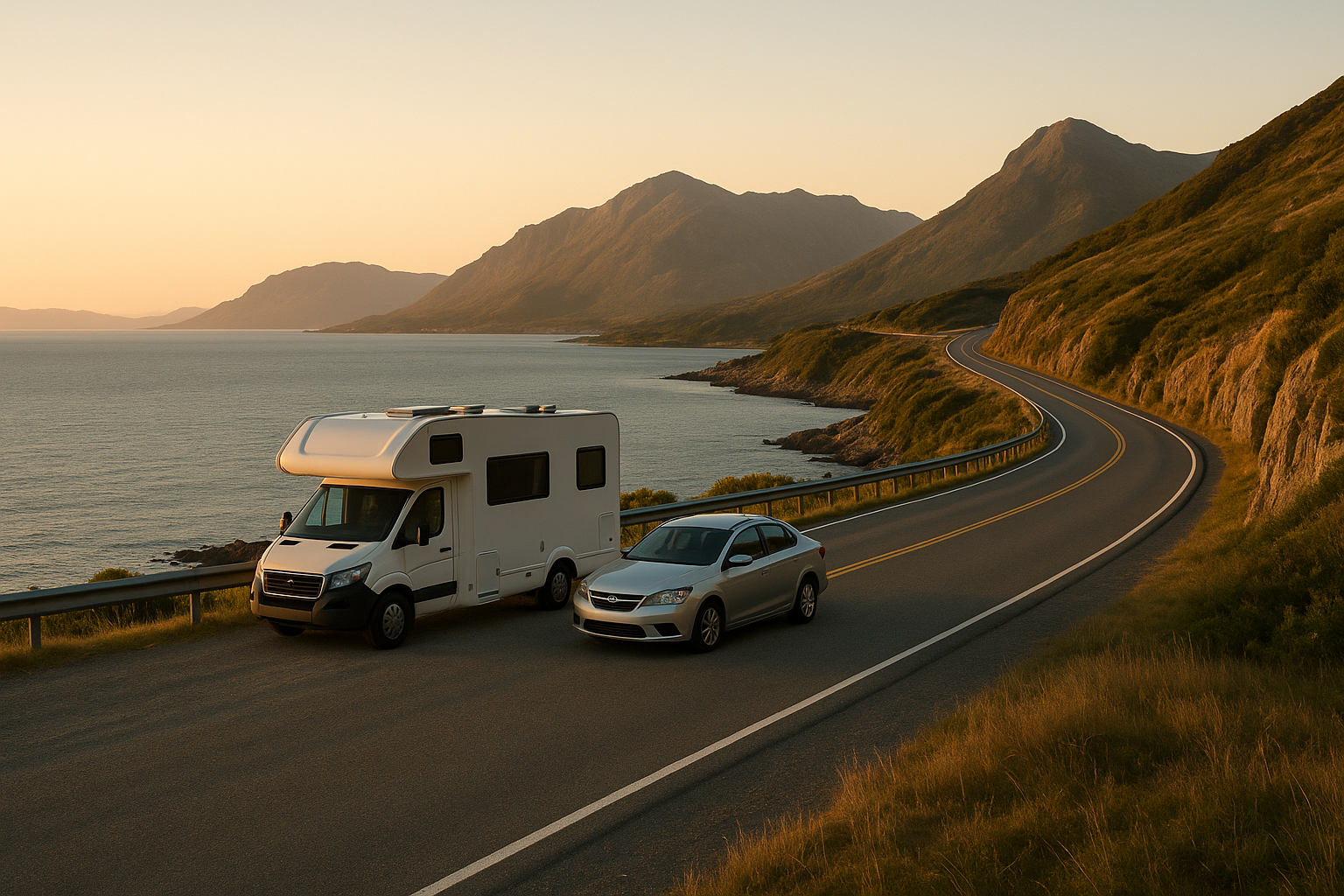
Driving here is a rhythm of long empty tar roads, sudden gravel stretches and vast vistas that compress travel time: distances look shorter on the map but often take a full day because services and fuel stops are sparse. Towns are small and spaced out; when you stop at a petrol station expect a shop selling everything from cold drinks to spare fan belts. English works everywhere official business happens, but Afrikaans, German and several Bantu languages are commonly heard in markets and small towns.
Practical travel in the autumn months
September–November is transition time for transport: late-season tourists thin out after winter, and some lodges adjust schedules before the rains. Rental vehicles—preferably high-clearance—are the usual way to cross between regions, and mobile reception is reliable in Windhoek, Swakopmund and regional centres but patchy in the Etosha pan and the Namib dunes. Cash in Namibian dollars is handy for open-air kapana braais and market stalls, though cards are accepted at most hotels and larger restaurants.
Local manners and what will catch you unawares
Social interaction tends to be formal at first: a handshake and a brief greeting in English or Afrikaans is common; using surnames until invited to use a first name is appreciated. You will see Himba and Herero dress in northern settlements—ask before photographing and offer a small payment only if a photo is agreed. Tipping is customary in the service sector but modest; expect bakery culture (German-style breads and pastries) alongside meat-focused dishes like kapana and biltong that appear at roadside stalls.
Quick 5
Namibia
Namibia
Namibia
Namibia
Namibia
Regions

Travel Requirements
What you need to enter Namibia, for the passport you hold.
Places of interest
Landscapes in Namibia
Travel Tips