

Senegal
Short description
Autumn in Senegal: the coast wets while Casamance keeps pouring
In September the Atlantic around Dakar still gets quick, sea-scented downpours and by October the storms thin out, leaving cool evenings by the Corniche; further south in Casamance rains often continue into November, keeping roads soft and mangrove channels high. The country is split at this time: the littoral city life moves toward clearer skies, while the south stays in the wet season’s rhythm—boats more useful than some roads and rice paddies holding water.
How movement works between Dakar, Saint-Louis and the south in autumn
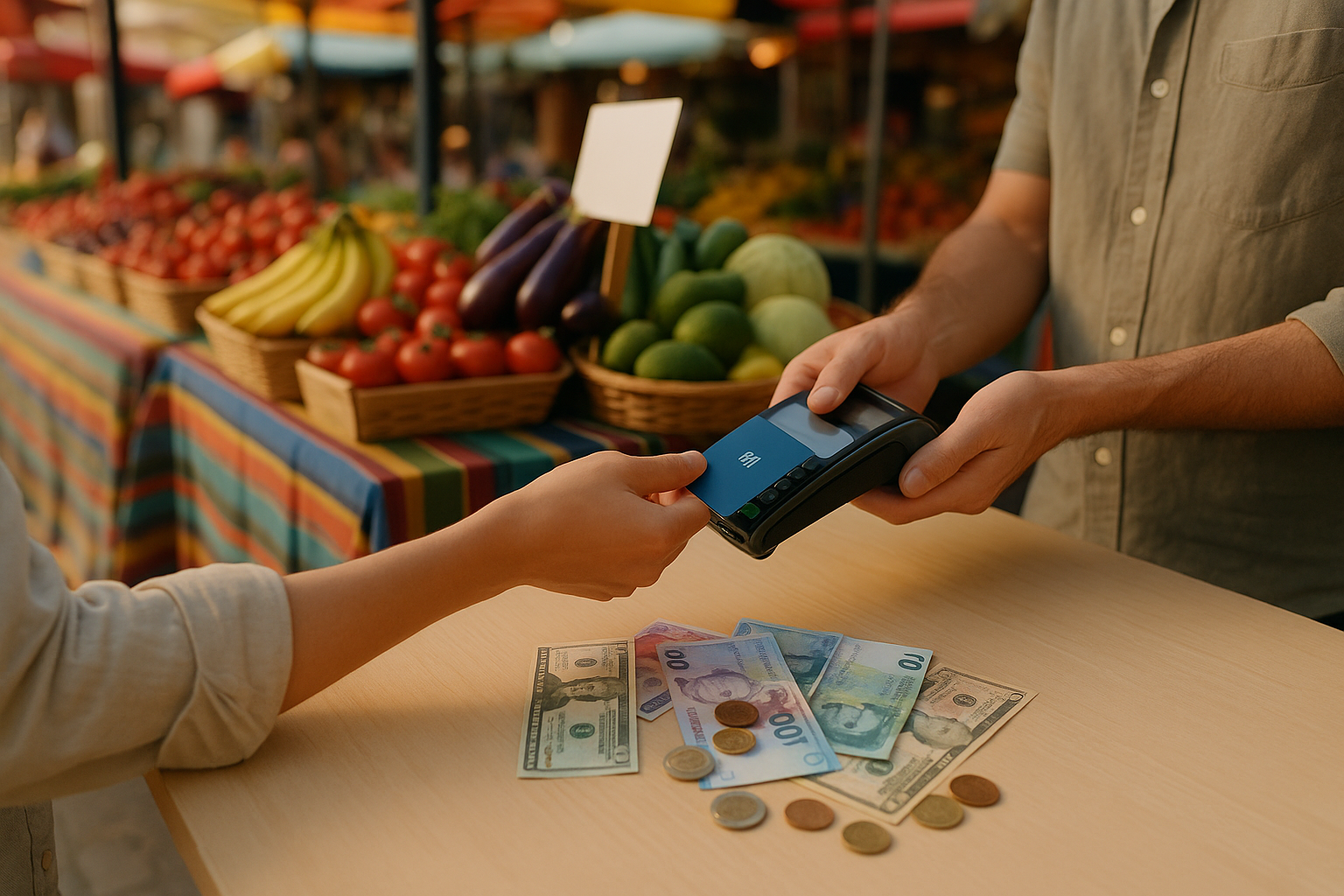
Dakar remains the transport hub: most domestic flights and the main intercity coaches leave from there, and the largest paved roads are busiest after rain clears. Shared taxis and white minibuses are the cheapest way to hop between regional towns; allow extra time for muddy stretches in Casamance after heavy showers. Mobile signal and internet are reliable in Dakar and regional capitals but patchier in rural communes—download maps for long drives and expect fewer card terminals at markets outside the cities.
Social rhythms you'll meet on day one
You will be greeted with Wolof phrases in most places and French in official settings, but people proudly answer in Wolof, Pulaar or Serer in villages. Teranga—the Senegalese ethic of hospitality—shows up as insistence on sharing food and several rounds of attaya (strong mint tea) served ceremonially; refusing once is polite, refusing three times is expected before accepting. Friday midday congregational prayers shape business hours in many towns, and modest dress is the norm outside seaside tourist pockets.
Eating in autumn: fish, rice and the season's peanuts
Autumn menus reflect what the rains have nurtured: fresh Atlantic fish appears daily at Dakar markets and will be grilled on the foreshore, while inland sellers bring new-season peanuts used in sauces such as maafe and in stews served with thieboudienne. Meals are often shared from a single platter, using the right hand; accepting a portion is as much a social gesture as a taste test.
Quick 5
Senegal
Senegal
Senegal
Senegal
Senegal
Regions

Travel Requirements
What you need to enter Senegal, for the passport you hold.
Places of interest
Landscapes in Senegal
Travel Tips