

Sierra Leone
Short description
September–November: the rainy season coming off the coast
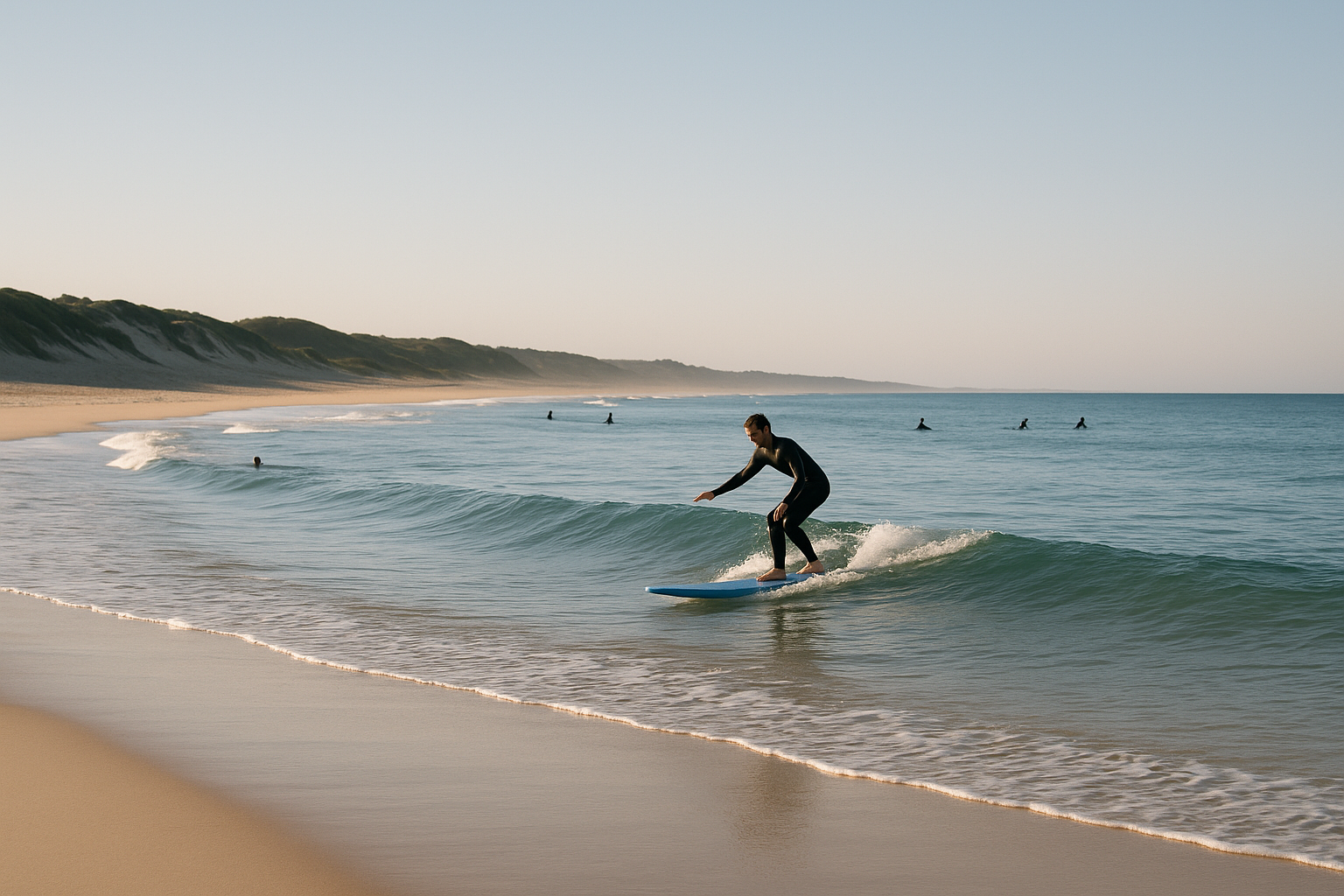
September in Sierra Leone still sits inside the long wet season: heavy afternoon downpours are common, rivers run high and the inland tracks that look fine on a map can turn into mud for days. By late October and into November the rain eases noticeably; the air clears, markets stop drying cassava on tarpaulins and the Atlantic takes on a cleaner blue that makes beach days more reliable.
How the place moves and feels
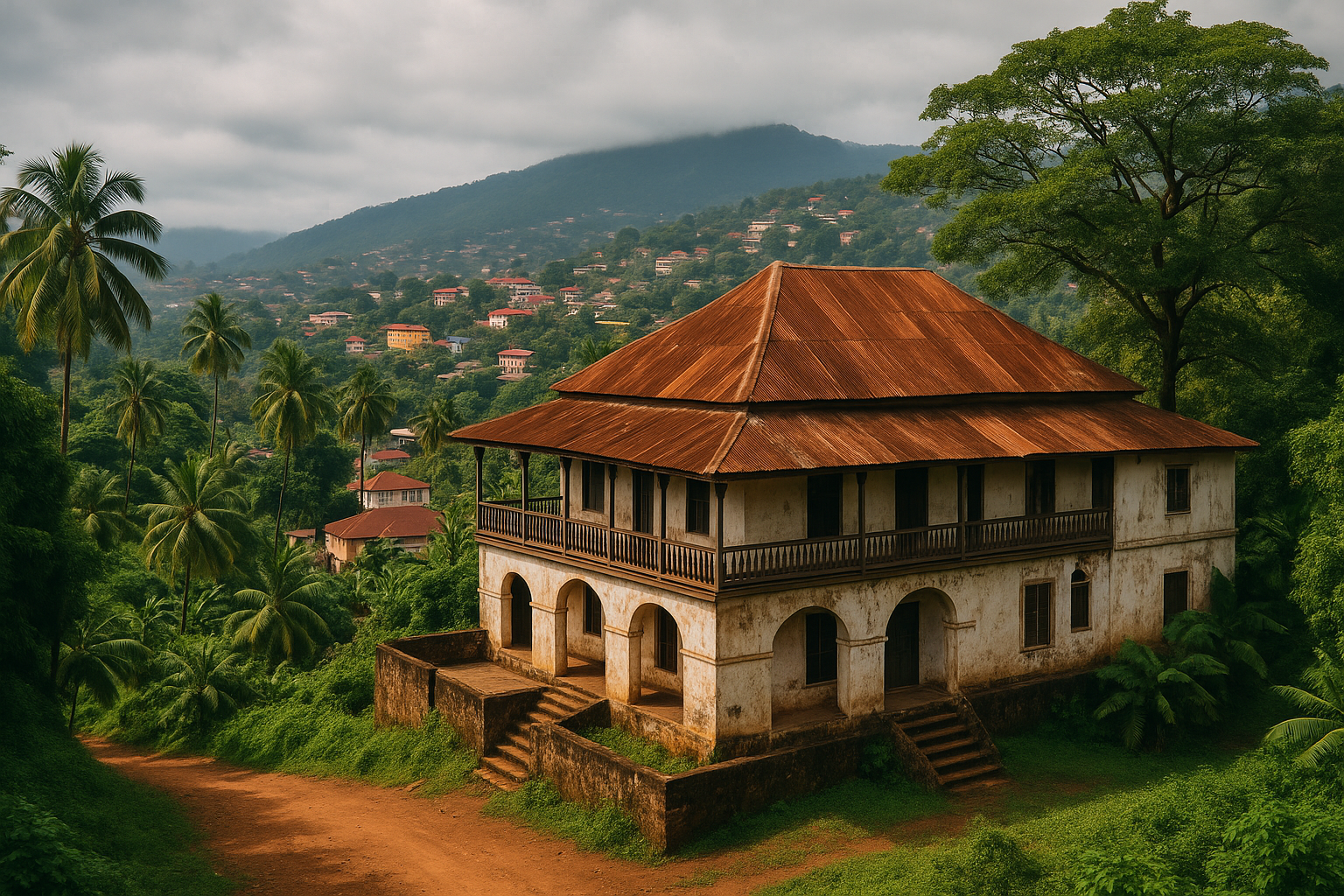
Freetown’s hills frame much of daily life—steep streets, narrow alleys and a waterfront where small fishing boats arrive with pelagic fish at dusk. Outside the capital villages unfold in a looser tempo: markets open early, trading stalls arrange by commodity, and the low-rise, spread-out pattern of towns means travel usually feels like a progression from coastal bustle to quieter inland green.
Getting around in the autumn months
Road travel dominates. Potholes and seasonal washouts make a short distance take longer than you expect; expect shared minibuses and motorbike taxis to be the fastest way between neighbourhoods in towns. Domestic flights exist but are limited; ferries serve some coastal routes and can be delayed in bad weather. Cash in leone is king outside central Freetown—cards work at a handful of hotels and restaurants, and buying a local SIM (data works best inside towns) is useful for arranging pickups or checking weather.
Everyday customs and food you’ll encounter
English is official, but Krio is the everyday lingua franca and will get you farther than textbook phrases. Handshakes and a short exchange about family are the normal opening; in Muslim-majority areas Friday prayers shape the day and modest dress is appreciated. Meals are social: rice-based dishes like jollof and cassava leaves turn up at family tables and roadside grills offer freshly smoked fish and fried plantain. If someone insists you try a portion, accept—the offer is hospitality in practice, and sharing plates is how people talk and settle deals.
Quick 5
Sierra Leone
Sierra Leone
Sierra Leone
Sierra Leone
Sierra Leone
Regions

Travel Requirements
What you need to enter Sierra Leone, for the passport you hold.
Places of interest
Landscapes in Sierra Leone
Travel Tips