

South Sudan
Short description
September–November: the rains relent but the Sudd keeps its hold
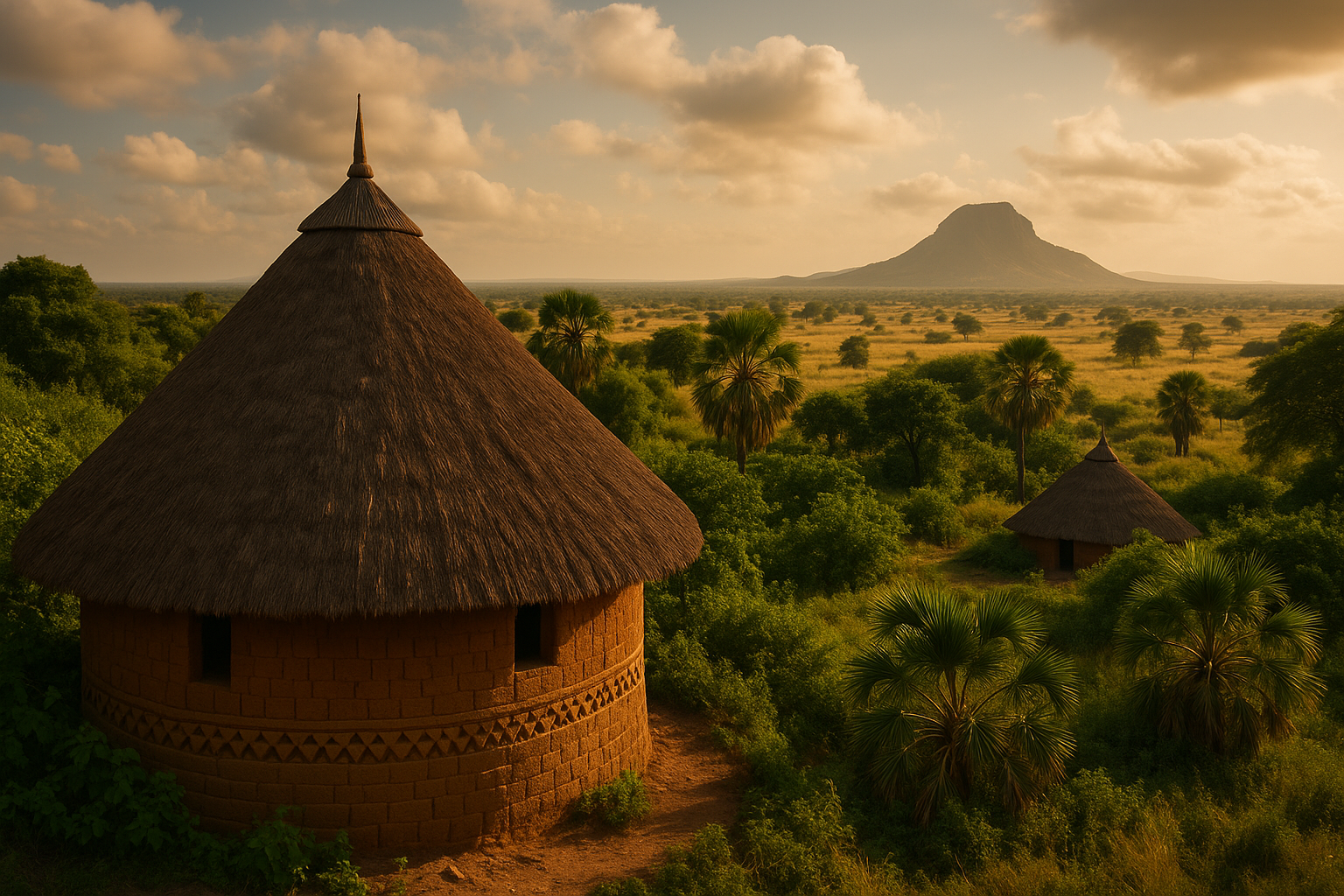
From September into November the big change across South Sudan is that the main rains taper off while the Sudd—the immense seasonally flooded wetland fed by the White Nile—still holds water into October and beyond, leaving wide swathes of central and western counties waterlogged long after the first dry days in Juba.
How moving around South Sudan feels in autumn
Road travel becomes a negotiation: primary paved roads near Juba dry first, but many county tracks remain impassable until late November and are replaced by boat connections along the Nile and its flood channels; expect a journey that looks like two hours on a map to take much longer in practice. Domestic flights link Juba with a handful of regional airstrips but seats are limited; cash in South Sudanese pounds is the practical currency outside Juba, where ATMs are concentrated and electricity from generators is common.
Daily rhythms, food and conversation in this season
Communities mark the ending rains with market activity: sorghum, groundnuts and dried fish move through Juba’s markets and you will often be offered kisra or injera and a bowl of porridge when visiting a household. Tea poured from a metal pot is the standard social lubricant; long handshakes and a brief inquiry about family are usual openings, and modest dress is appreciated in towns and essential in many rural areas. Language shifts with place—English is official in paperwork, but Juba Arabic and Dinka or Nuer are what you will hear in most markets and cattle camps.
What first-time visitors often misread about South Sudan
People expect a single image of the country; instead you find a patchwork shaped by the Nile and by recent years of rebuilding: new government buildings and mobile networks sit alongside unfinished roads and seasonal floodplains. Cattle remain a social and economic currency in many communities, so a market trip can look as much like a livestock negotiation as a grocery run. Autumn reveals that movement here is governed more by water and people’s calendars than by timetables on a smartphone.
Quick 5
South Sudan
South Sudan
South Sudan
Juba (جونقو)
South Sudan
Regions

Travel Requirements
What you need to enter South Sudan, for the passport you hold.
Places of interest
Landscapes in South Sudan
Travel Tips