

Togo
Short description
Late rains and the changing north–south rhythm of Togo
September–November is the second rainy window for southern Togo: Lomé and the coastal strip still see heavy, often unpredictable afternoon showers, while inland towns such as Kpalimé can be damp and green. Farther north the rains taper off by September; fields of millet and sorghum move quickly from standing crops to harvest, and by November the air begins to feel drier as the harmattan dust can creep in some years.
How movement actually works around Togo in autumn
Expect shorter map distances to take unexpectedly long. The coastal roads that connect Lomé with Aneho and Kpalimé hold up well, but smaller tracks to villages become sticky after a downpour; taxi‑brousse schedules loosen and journeys stretch. Passenger rail is effectively absent for travel planning, cash (XOF) rules outside Lomé, and card payments are mostly confined to hotels and a few restaurants in the capital. French is the working language everywhere; Ewe in the south and Kabyè in the central highlands will open more doors than English.
Food in Togolese autumn: markets, palm wine and harvest dishes
Autumn is a practical eating season: street lunches of riz gras appear alongside bowls of chere in northern towns after the harvest; tafa and grilled maize are common roadside. Palm wine is offered at market stalls and family ceremonies, usually fresh and slightly effervescent, and saying no is noticed. Meals are often communal and take place earlier in the evening than many European restaurants expect.
What visitors commonly misunderstand about Togo
People arrive expecting a single, uniform culture along the coast; instead you meet a country of distinct linguistic zones and ritual life — voodoo and ancestral ceremonies coexist openly with Christian and Muslim observance, especially visible outside Lomé. And although Togo is small on a map, the tempo changes from town to town: a two‑hour drive one day can be a six‑hour trip the next if the rains have rearranged the countryside.
Quick 5
Togo
Togo
Togo
Top Places and Activities in Togo
Togo
Regions

Travel Requirements
What you need to enter Togo, for the passport you hold.
Places of interest
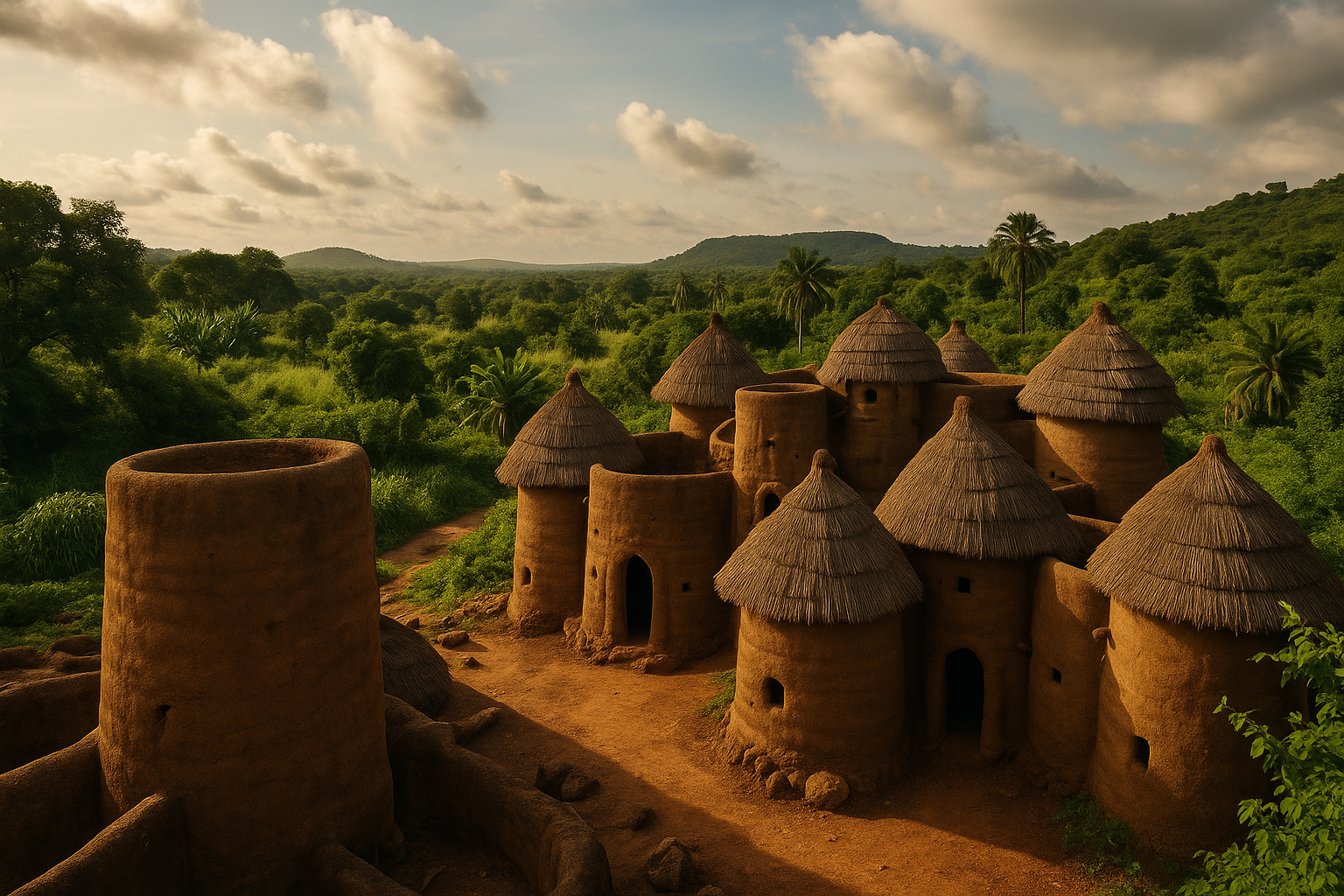
Landscapes in Togo
Travel Tips