

Tunisia
Short description
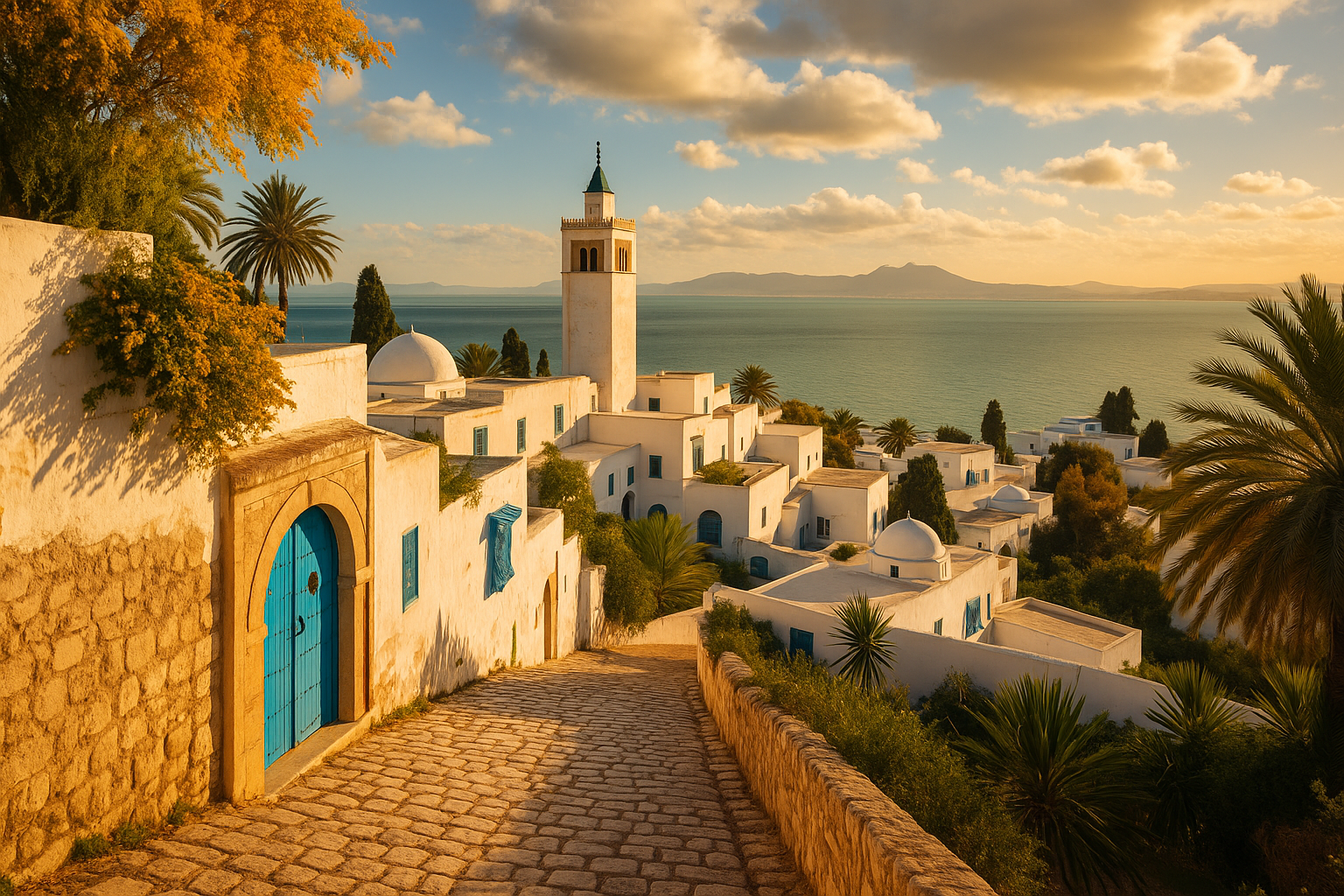
Late-September light on the Tunis coast
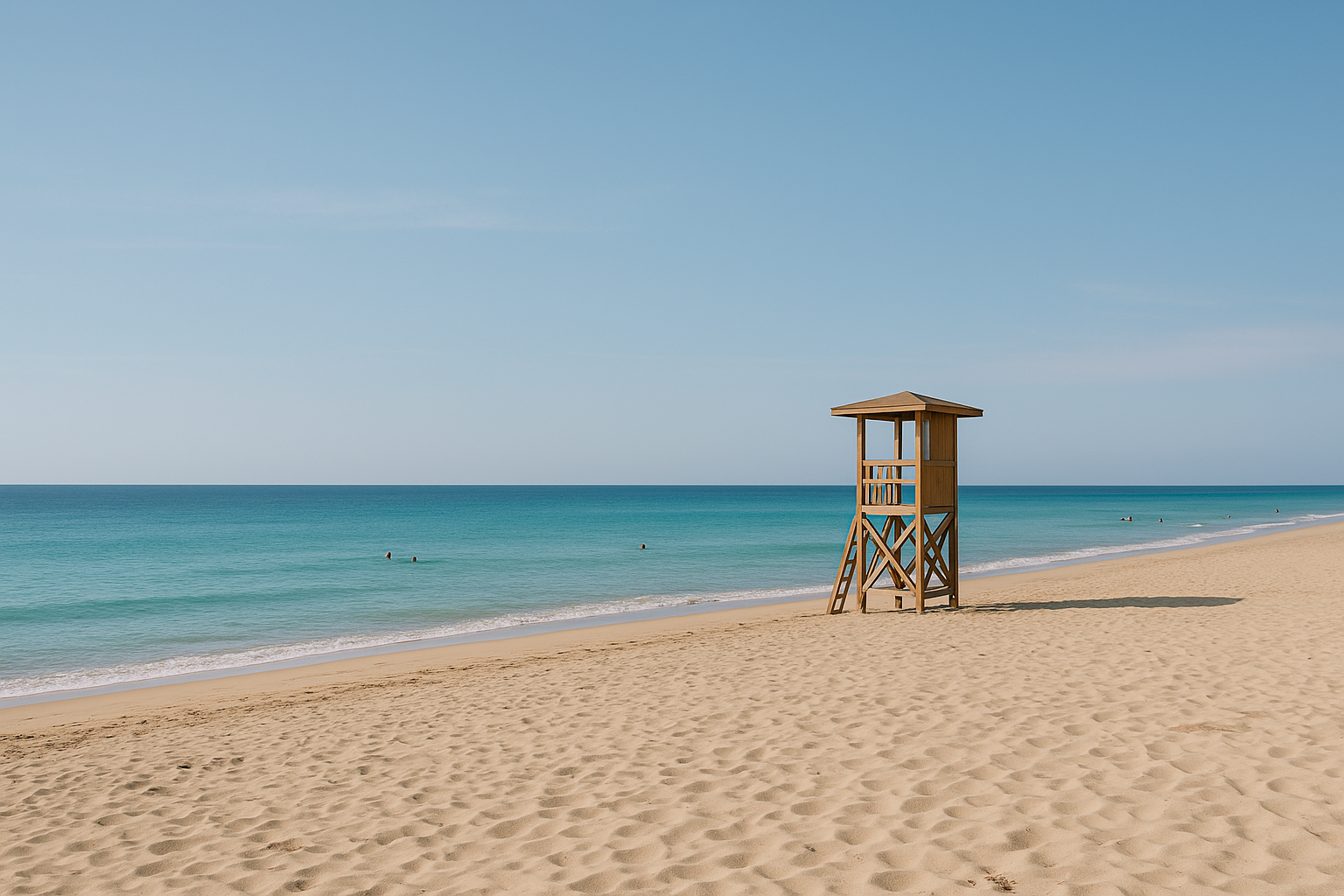
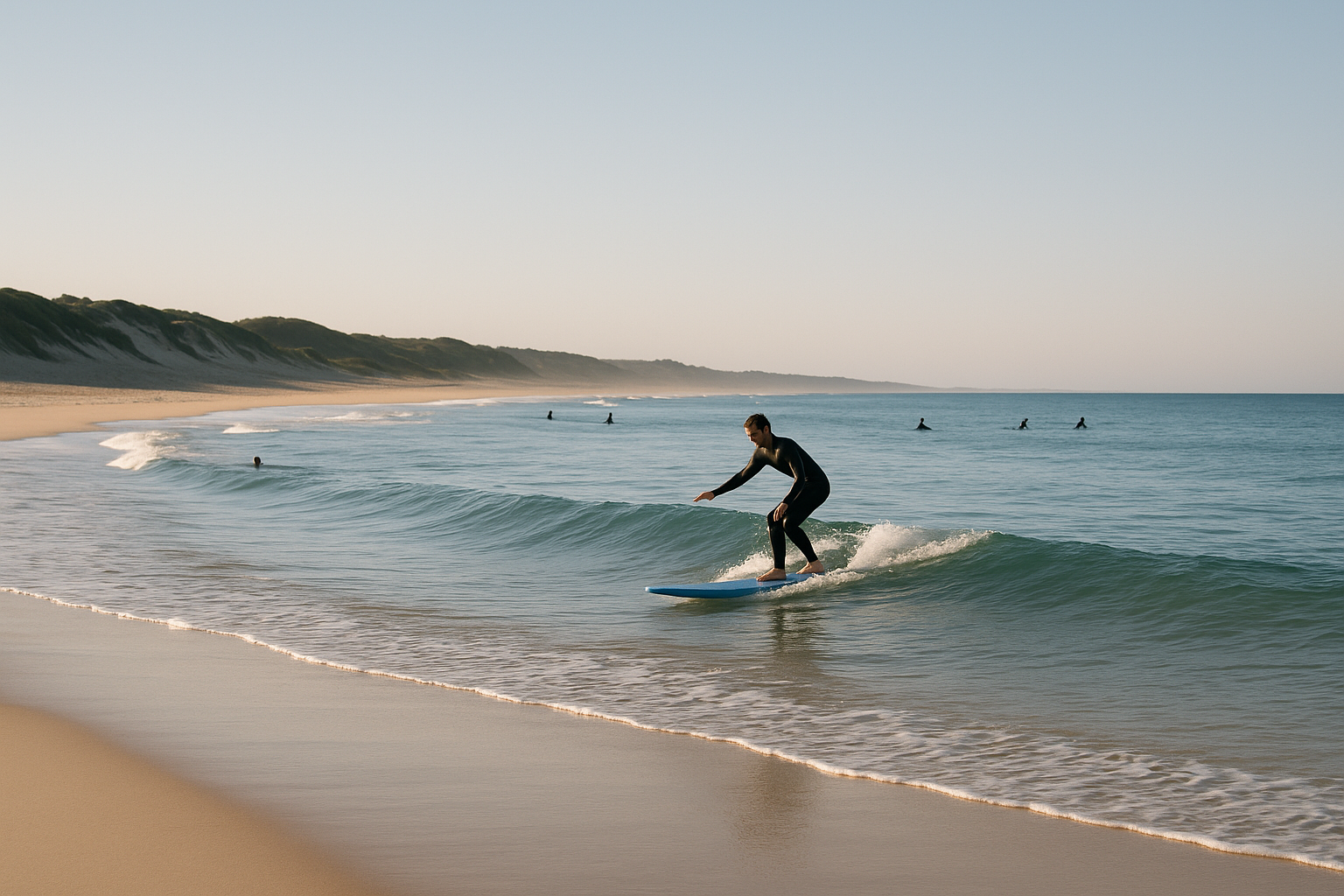
On a September afternoon the north‑coast breeze trims the summer heat: cafés in Tunis and Sidi Bou Saïd open their windows wider and the sea stays warm long enough for a late swim. Autumn in Tunisia is the season when the olive groves go from green to silvered grey — harvest teams begin arriving in October and November — and the first rains return to the Tell region, rearranging travel plans faster than the calendar does.
How movement actually works here in autumn
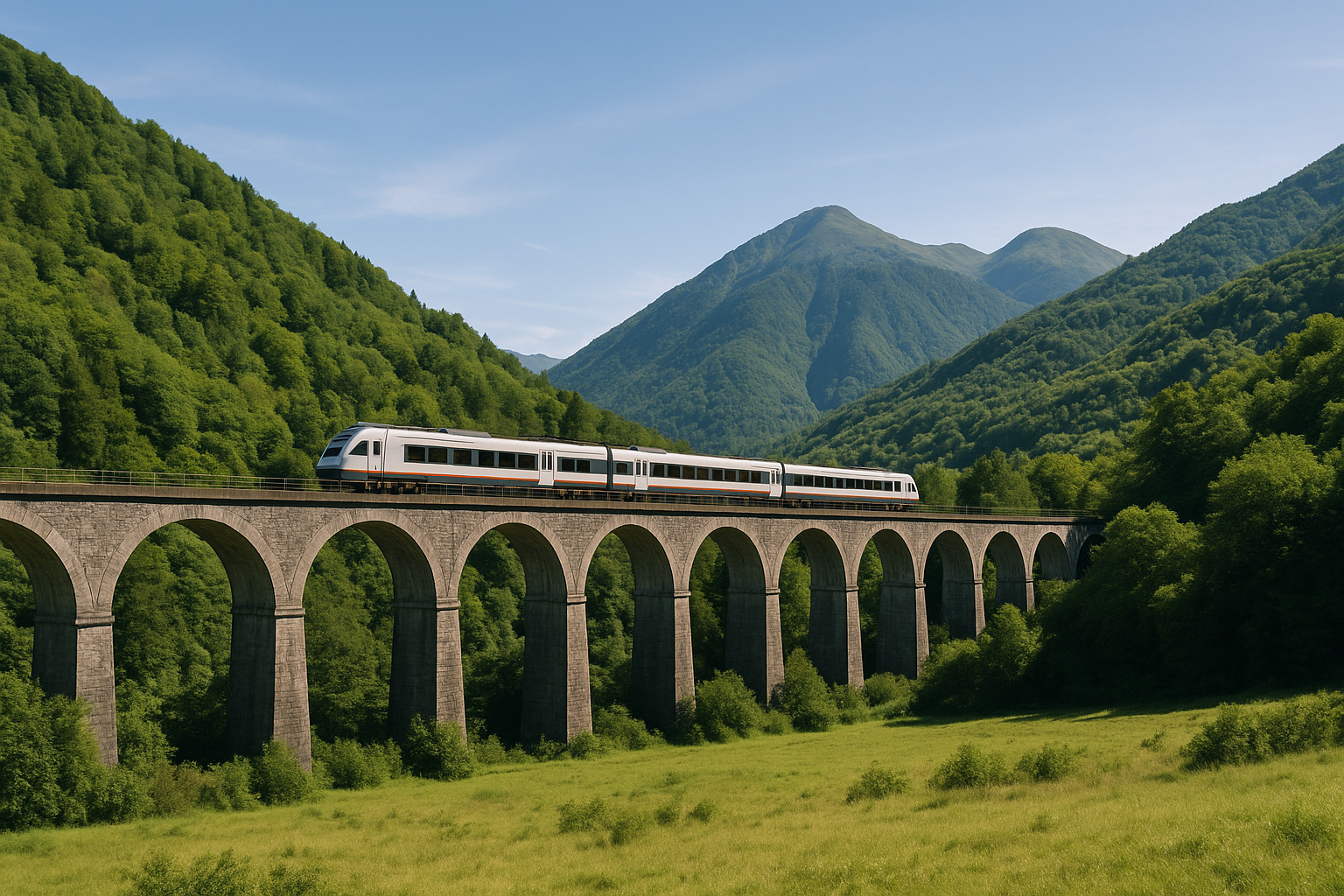
Tunisia’s distances are deceptive: the country feels compact compared with many African neighbours, but moving from the Mediterranean coast into the interior still takes hours. Coastal trains and a frequent intercity service connect Tunis with seaside towns, while louages (shared minibuses) are the normal way locals cover shorter routes; renting a car makes side trips easier but expect narrow roads and occasional livestock near villages. Card payments are common in cities and tourist areas, but market stalls and rural cafés want Tunisian dinars in cash. Mobile reception is reliable in the north and along main roads and patchier once you head toward the Sahara.
Daily rhythms that travellers meet on day one
Work and shop hours tighten around prayer times and the long lunch is still important outside cities: many family kitchens produce the year’s first olive oil in autumn and you’ll see sacks of olives at roadside stalls. In medinas sellers expect engagement rather than silence; bargaining is normal for textiles and crafts but not for fixed-price groceries. Women generally dress more conservatively in smaller towns; in Tunis and beach resorts the dress code is relaxed. Handshakes are the standard greeting among men, and a woman will usually extend her hand first if she wants to shake yours.
What visitors often don’t anticipate
People arrive expecting only desert and discover a Mediterranean country with French widely spoken, fresh seafood markets and a red chilli paste — harissa — that appears at nearly every table. In October and November beaches can still feel active, olive presses hum in rural courtyards, and the late light makes twilight long enough for cafés and street markets to spill into evening hours.
Quick 5
Tunisia
Tunisia
Tunisia
Tunisia
Tunisia
Regions

Travel Requirements
What you need to enter Tunisia, for the passport you hold.
Places of interest
Landscapes in Tunisia
Travel Tips