
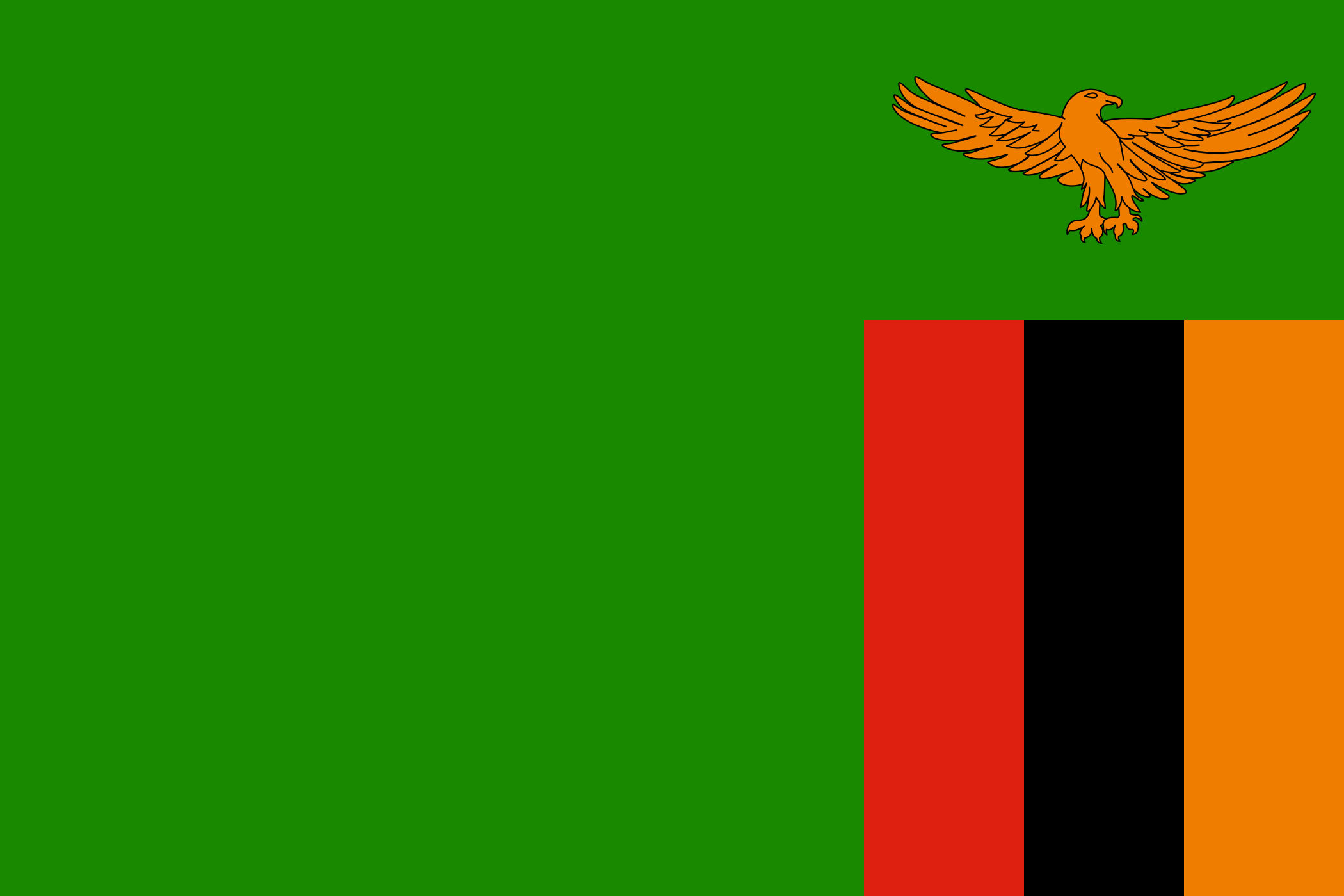
Zambia
Short description
September–November in Zambia: the dry heat that flips the calendar
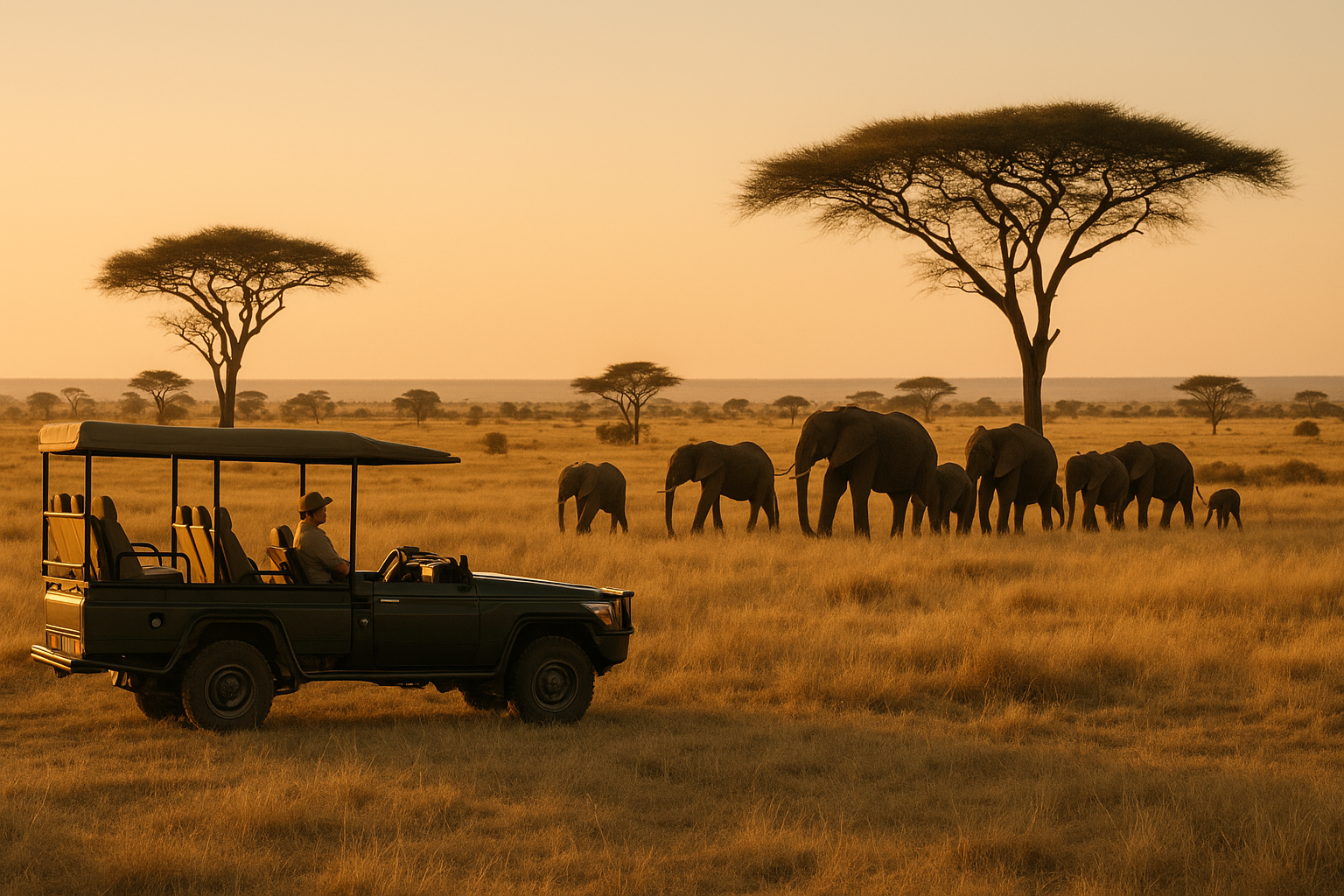
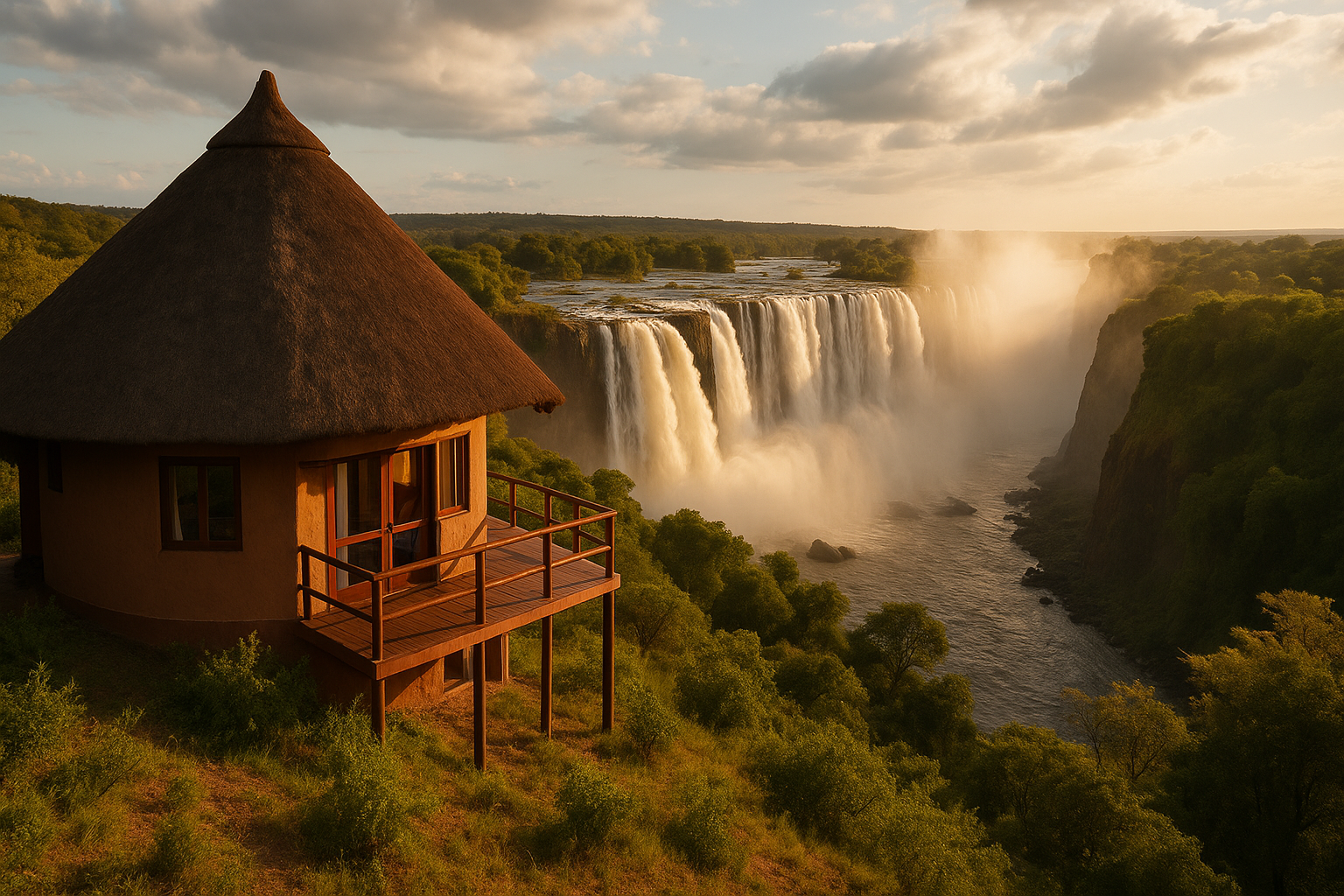
September and October are Zambia’s hottest, dustiest months and by November the first thunderstorms start to arrive; the change is sudden enough that towns and farms begin altering routines within a few days. That window is when river levels are lowest and the country’s clearer skies lengthen safari daylight, but late October and November bring isolated, electrifying downpours that green roadside fields almost overnight.
How Zambia moves—roads, flights and signals
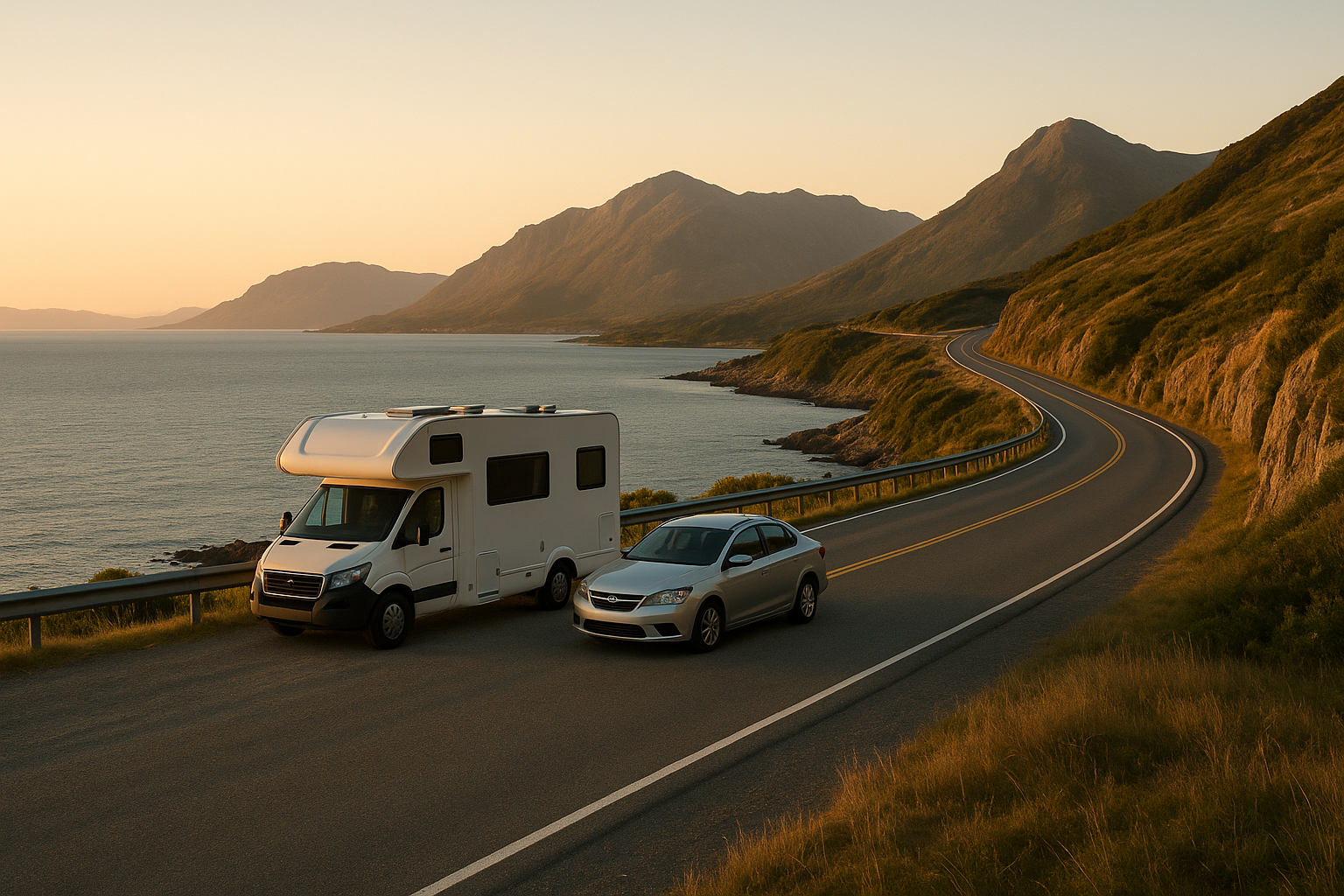
Zambia is big and sparsely settled between its cities, so plan for long journeys: a trip that looks short on a map can become a full travel day on laterite or potholed stretches outside the main tarred corridors. Domestic flights are common for reaching national parks and cut what would be overnight drives to a few hours. Buy an Airtel or MTN SIM on arrival for decent urban data; reception thins quickly once you leave Lusaka, Ndola or Livingstone and is unreliable inside many game areas.
Daily rhythm and what people expect from visitors
English is the official language and serves in shops and offices, but everyday conversation in towns and villages often uses Bemba or Nyanja—greet people with "Muli bwanji?" or "Shani?" and you’ll get an immediate smile. Mealtimes follow family rhythms: lunch is the main daytime meal in many homes, evening dinners can be late after work, and modest tipping is customary for tour guides and lodge staff. Dress is practical—sensible shoes for dust and light layers for mornings that start cool and end blisteringly hot.
Eating in Zambia during the turn of the rains
Nshima with relishes is the baseline of meals: expect to be shown how to pinch a thumb-sized lump and scoop vegetables or bream from a shared plate. Ifisashi (leafy greens with peanut) and river fish get fresher as the first rains stir rivers and lakes; market stalls outside cities are where seasonal produce appears first, and trying the local method of eating with your right hand is part of the social exchange.
What visitors commonly get wrong about Zambia
People often expect a single image—either dense wildlife or mining towns—but Zambia contains both: the Copperbelt’s industrial rhythm sits alongside vast, quiet wilderness. It’s not small; moving between those moods takes time, and that travel itself is part of the country’s experience.
Quick 5
Zambia
Zambia
Zambia
Zambia
Zambia
Regions
Travel Requirements
What you need to enter Zambia, for the passport you hold.
Places of interest
Landscapes in Zambia
Travel Tips