
Argentina
Short description
Spring in Argentina: September–November in practice
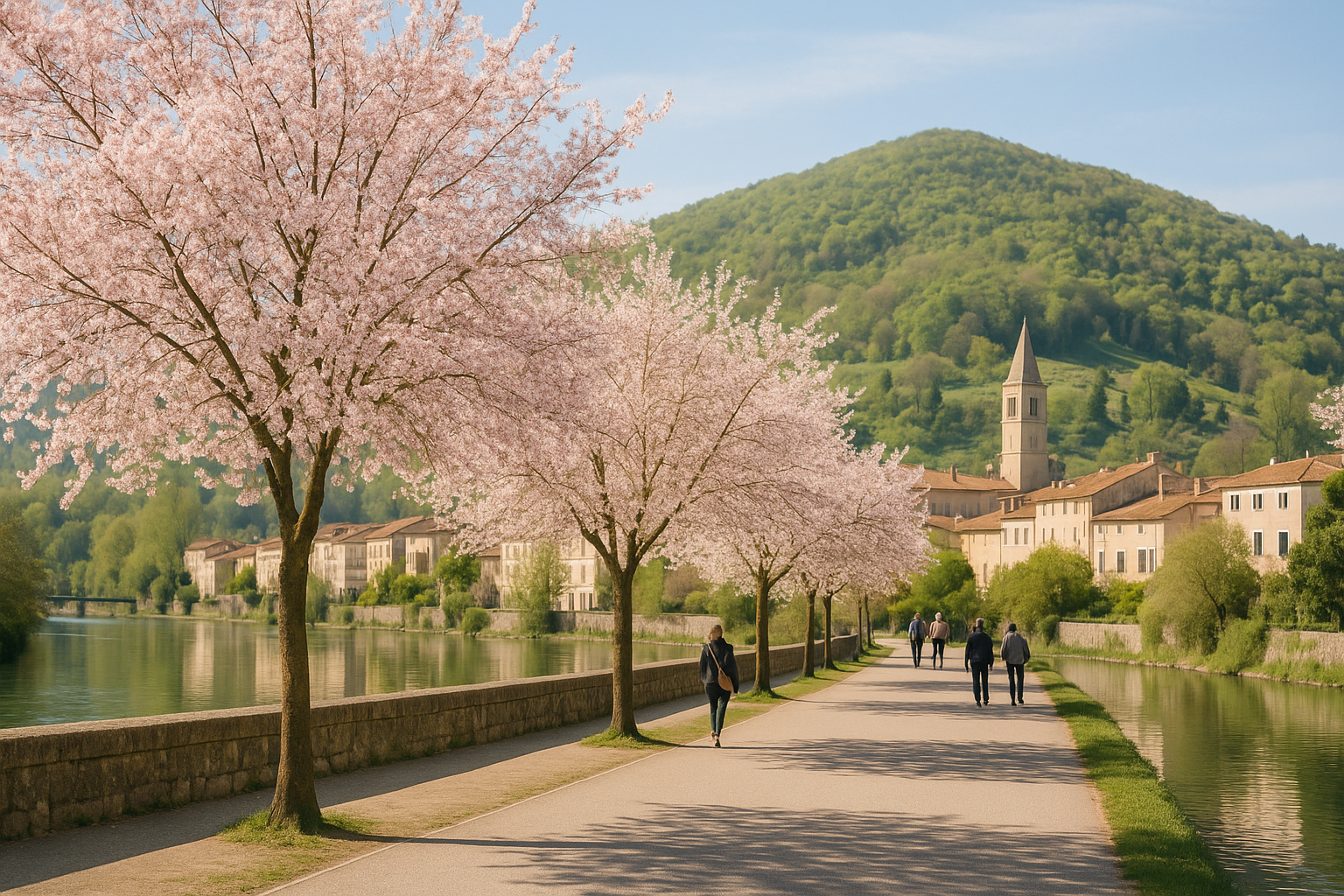
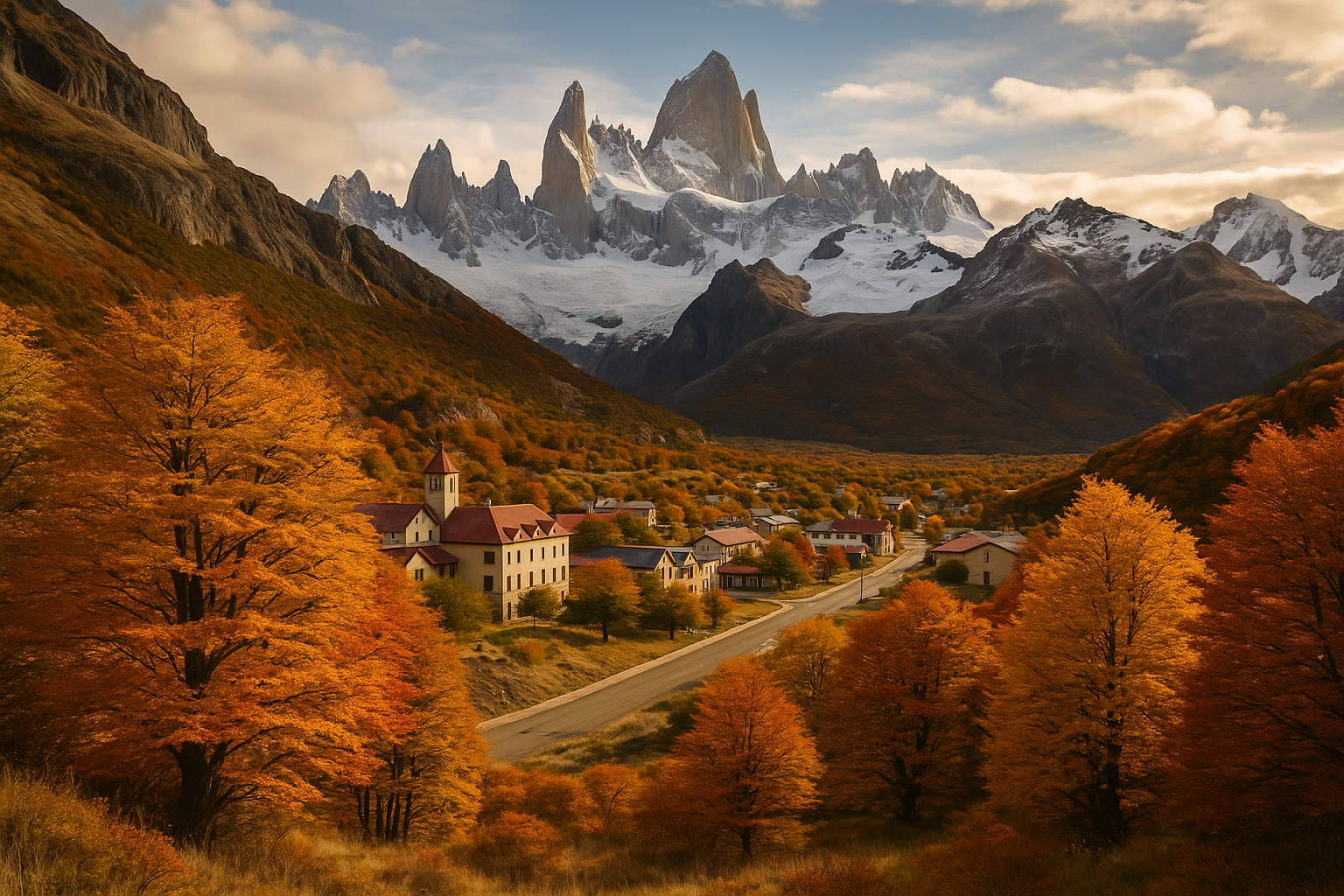
September through November is spring here, which shows in concrete ways: jacaranda trees bloom across Buenos Aires in October, the lenga forests of southern Patagonia begin to leaf out after their harsh winter, and the Río de la Plata mornings grow milder before summer humidity arrives.
How Argentina actually feels on the move
Argentina’s geography is literal — the country stretches over a huge north–south distance — so flights are the practical default for covering long legs while buses remain the economical alternative; long-haul coaches offer reclining "cama" seats and are used by many locals. In cities like Córdoba and Rosario you’ll find efficient suburban trains and colectivos; in smaller towns expect fewer services and more reliance on taxis or remises. Urban internet is generally reliable, but in steppe regions and Tierra del Fuego mobile signal thins.
What spring changes here
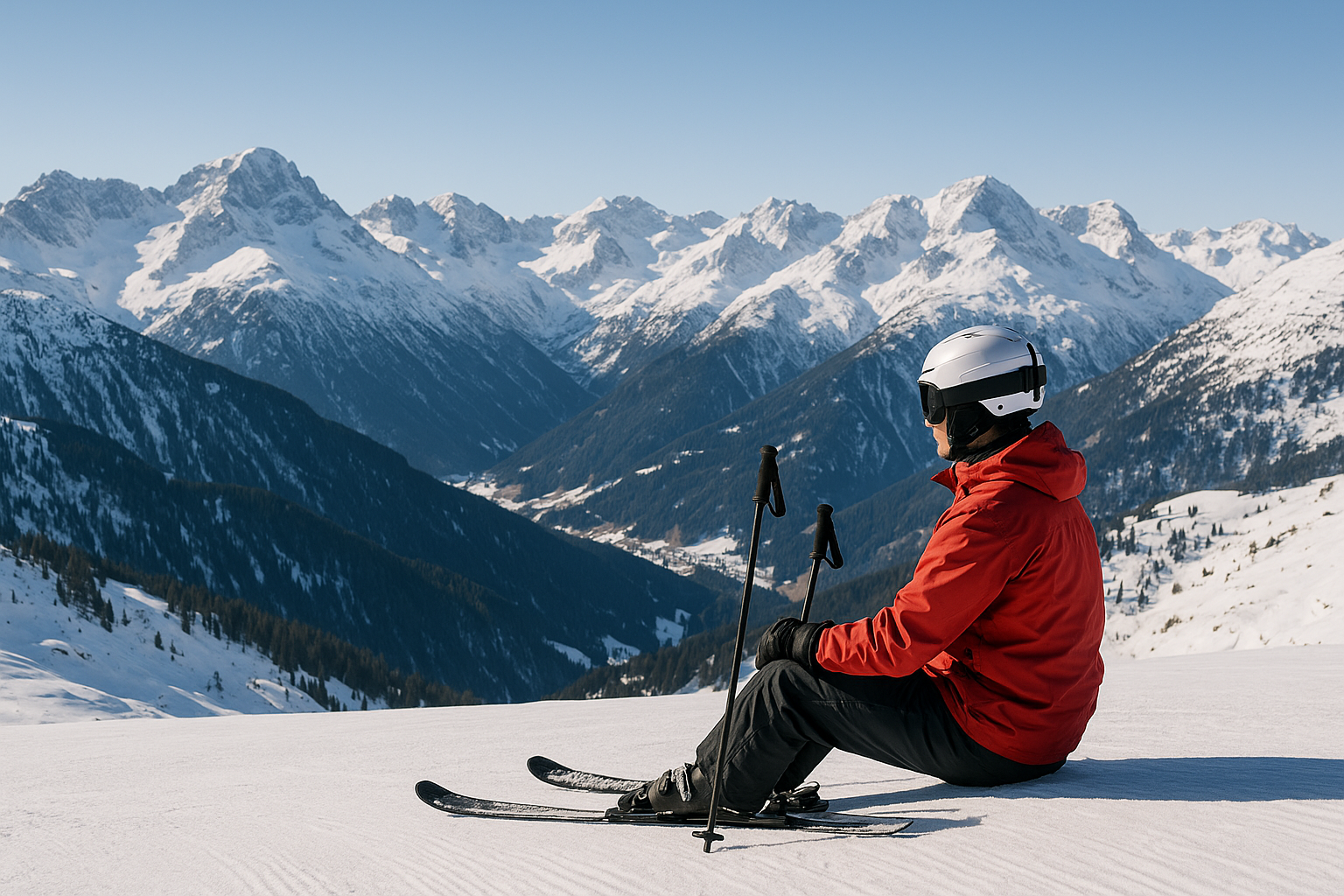
Spring wakes routine Argentine rhythms: cafés on Buenos Aires sidewalks fill earlier in the day with people drinking café con leche rather than the late-night pace of summer, while weekend asados move outdoors as temperatures climb. Spring also reshuffles wildlife viewing—migratory birds return to the wetlands in the northeast—and ski resorts in the high Andes close or slim their operations as snow melts.
Everyday habits you’ll notice and what to do
Language and small rituals mark local behaviour: most Argentines use voseo ("vos" instead of "tú") and Porteño Spanish often features the zheísmo sound for ll/ y. Greeting someone with one kiss on the right cheek is common among acquaintances; handshakes or hugs vary by age and setting. Expect later meal hours—lunch around 1–3pm and dinner routinely after 9pm—and for mate to appear in offices and parks as a social offering; accepting a shared gourd is a polite way to participate. Cards work in city establishments, but bring pesos for markets, small shops and buses. Tipping in restaurants commonly sits around 10% if service isn’t included.
Quick 5
Argentina
Argentina
Argentina
Argentina
Argentina
Regions

Travel Requirements
What you need to enter Argentina, for the passport you hold.
Places of interest
Landscapes in Argentina
Travel Tips