
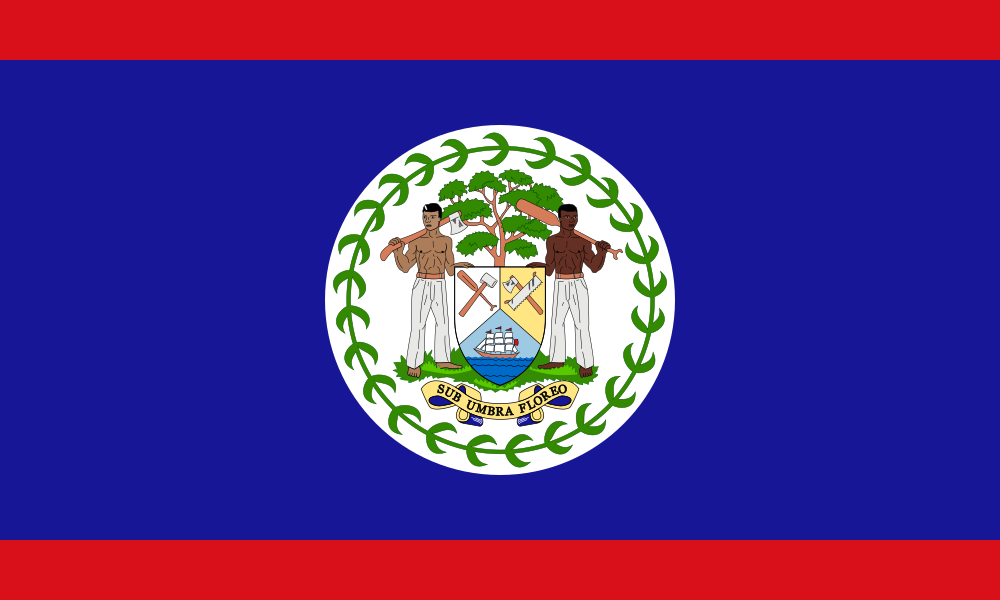
Belize
Short description
Autumn in Belize: late rains and reef rhythms
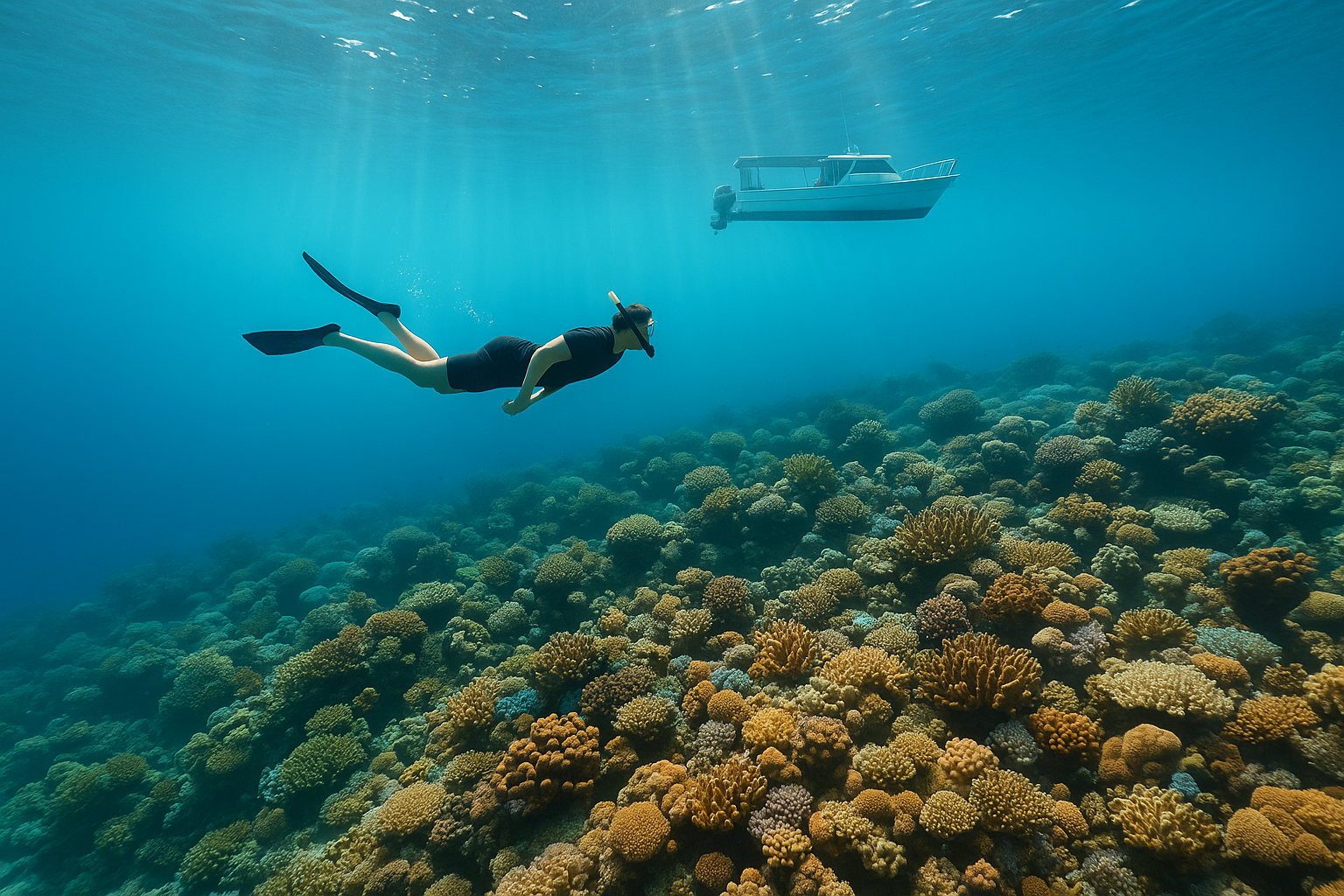
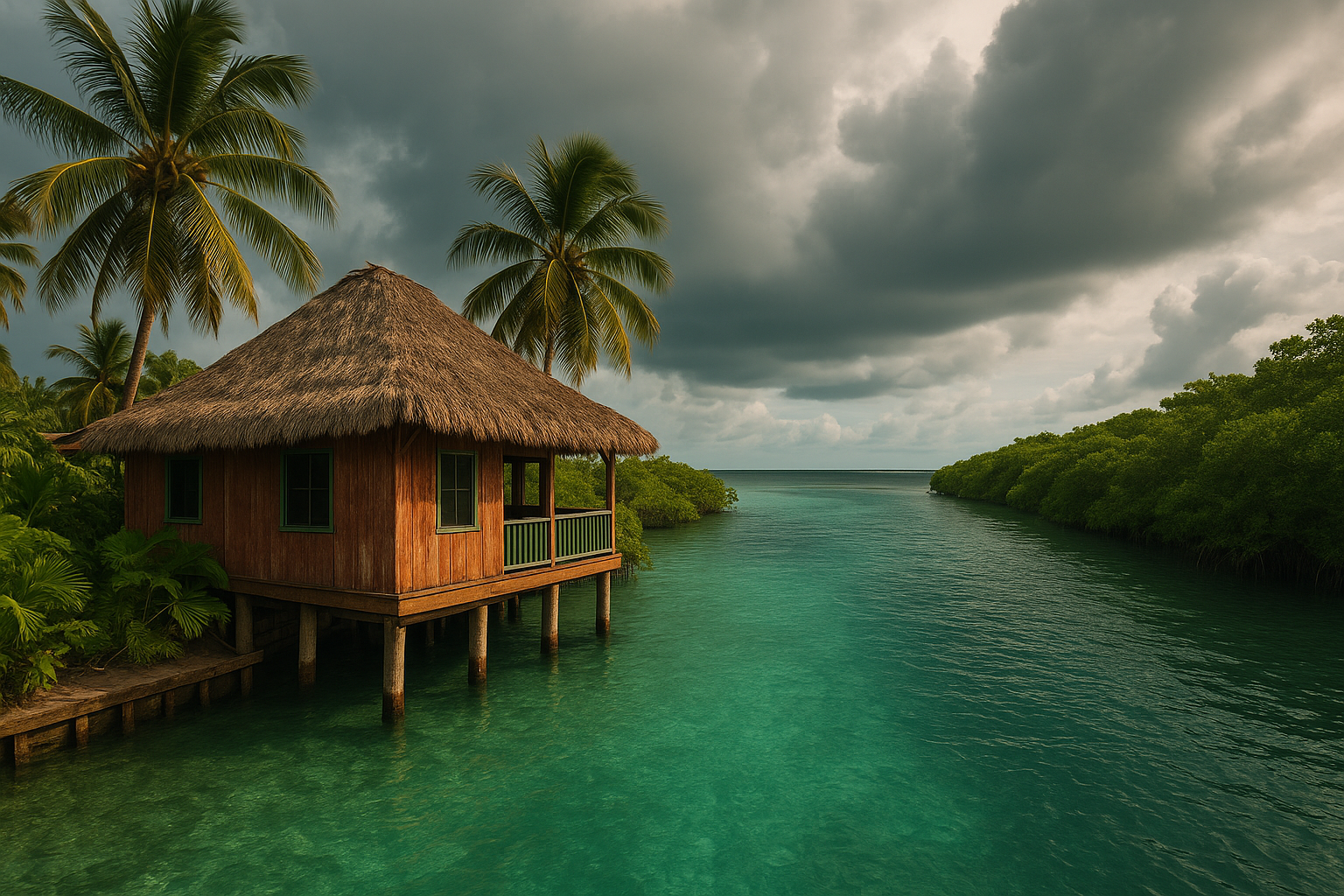
From September through November Belize moves out of its peak wet season: the cayes along the Belize Barrier Reef see fewer day-trippers, inland rivers run higher, and the coast carries the constant threat of tropical storms during the height of hurricane season in September and October.
How Belize actually moves in these months
Daily life follows a coastal-to-inland rhythm: Belize City and the cayes slow when squalls hit, while Belmopan — the inland capital — can feel drier a day later because the mountains interrupt storm tracks; by November that interruption often marks the start of a steadier, dryer spell. Road travel on the Hummingbird and Southern Highways is noticeably slower when creeks swell, and unpaved lanes in districts such as Toledo turn into red clay rivers you will not want to attempt without a high-clearance vehicle.
Getting around Belize in autumn
Boat schedules to the islands shorten with the weather, and small airports that service the cayes adjust flights more often than international services from Belize City; plan for flexibility rather than exact timetables. Cash in Belize Dollars (BZ$) remains easier for market stalls, ferry fees and remote lodges, though plastic works in bigger hotels and restaurants; mobile signal drops outside the main coastal belt, where Kriol is commonly used alongside English and several Mayan languages.
Everyday customs and food you will meet
Belizean greetings are informal: a handshake or a quick Kriol salutation is common in towns, and mealtimes lean toward a late lunch as the main family meal. Expect to be offered rice and beans with stewed chicken or a plate of fry jacks at breakfast in neighbourhood food stalls; these are the everyday plates people share at home and at community events during harvest and festival times in autumn.
What first-time visitors often misunderstand about Belize
Many arrive expecting a single island vibe, but Belize is small in population — roughly 397,000 people — and split between a reef-and-caye maritime culture and an inland Maya and Creole countryside; the differences are immediate once you leave the shore.
Quick 5
Belize
Belize
Belize
Belize
Belize
Regions

Travel Requirements
What you need to enter Belize, for the passport you hold.
Places of interest
Landscapes in Belize
Travel Tips