
Bolivia
Short description
How Bolivia feels under the high sky
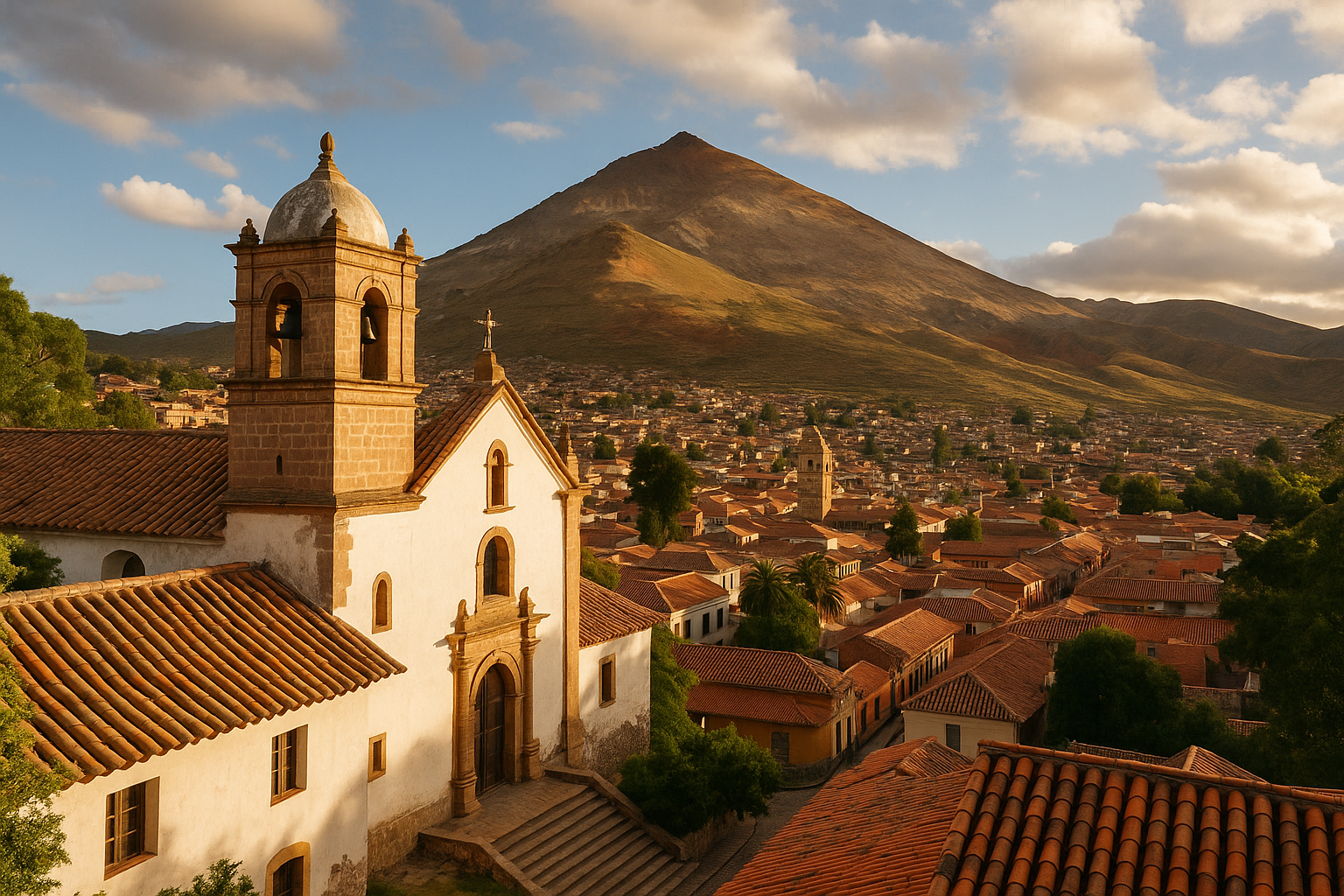
Travel here is measured in altitude as much as distance: the Andean altiplano dominates the west, with La Paz and Potosí sitting where the air is thin and the light is sharp, while the eastern lowlands around Santa Cruz roll away into humid plains. Walking a market in Sucre or watching a twilight taxi climb the switchbacks above La Paz gives a constant reminder that movement requires effort — steep streets, sudden temperature shifts and slow, deliberate rhythms outside the main cities.
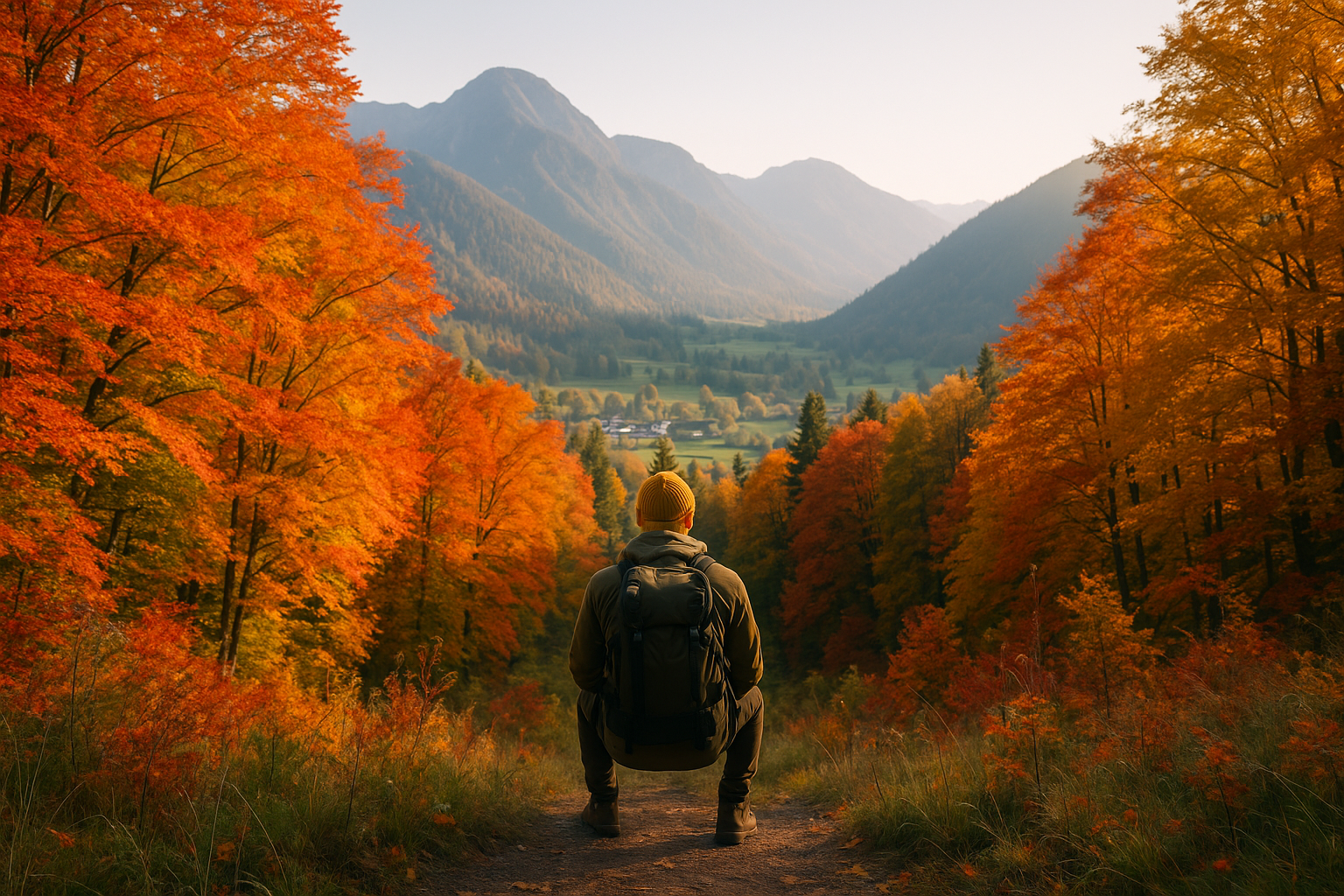
Autumn—September to November: spring turning toward the rains
September–November is spring in Bolivia, so highland days lengthen and warm but nights remain cold; expect strong sun by day and frost risk well into October at high elevations. In the Amazon and lowland east this period moves towards the wet season: afternoon storms begin to appear more often in November and dirt roads that were passable in July can start to deteriorate. Farmers in the valleys plant and markets refill with fresh tubers and young greens.
Practical travel: time, money and language
Distances sound smaller on a map than they feel on Bolivian roads — a 300‑kilometre bus can take most of a day on mountain routes, while domestic flights (La Paz–Santa Cruz ~1½ hours) are worth the cost for time. Cash rules in municipal markets and rural transport; Bolivianos are the working currency, ATMs are common in cities but scarce in small towns. Spanish will cover most transactions; Quechua and Aymara are widely spoken in the altiplano and useful to know for patient kindness in rural areas.
Daily manners and small courtesies you’ll notice
People tend to greet formally in business settings with a firm handshake, and among acquaintances a single cheek kiss or close nod is normal. Dress in layers: cholas wear heavy skirts and bowler hats that are practical as much as traditional, and visitors who dress warmly in the evening will fit in. Salteñas are a mid‑morning ritual; lunch is the day's main meal. Tipping is modest and discretionary — round up taxi fares and leave small change for café staff.
Quick 5
Bolivia
Bolivia
Bolivia
Bolivia
Bolivia
Regions

Travel Requirements
What you need to enter Bolivia, for the passport you hold.
Places of interest
Landscapes in Bolivia
Travel Tips