
Brazil
Short description
September–November: spring arrives differently across Brazil
In September the jacarandas begin to purple avenues in São Paulo and Brasília’s broad ramps draw longer afternoons; by November heat has pushed southwards and trees like the flamboyant burst into flame-colour across towns. That seasonal rhythm is not uniform: coastal Recife and Salvador often keep their beach weather through these months, Brasília and the central-westers start to see late‑afternoon thunderstorms, and the south behaves like spring, with volatile sunny-to-showery days.
How Brazil actually feels from city street to cerrado
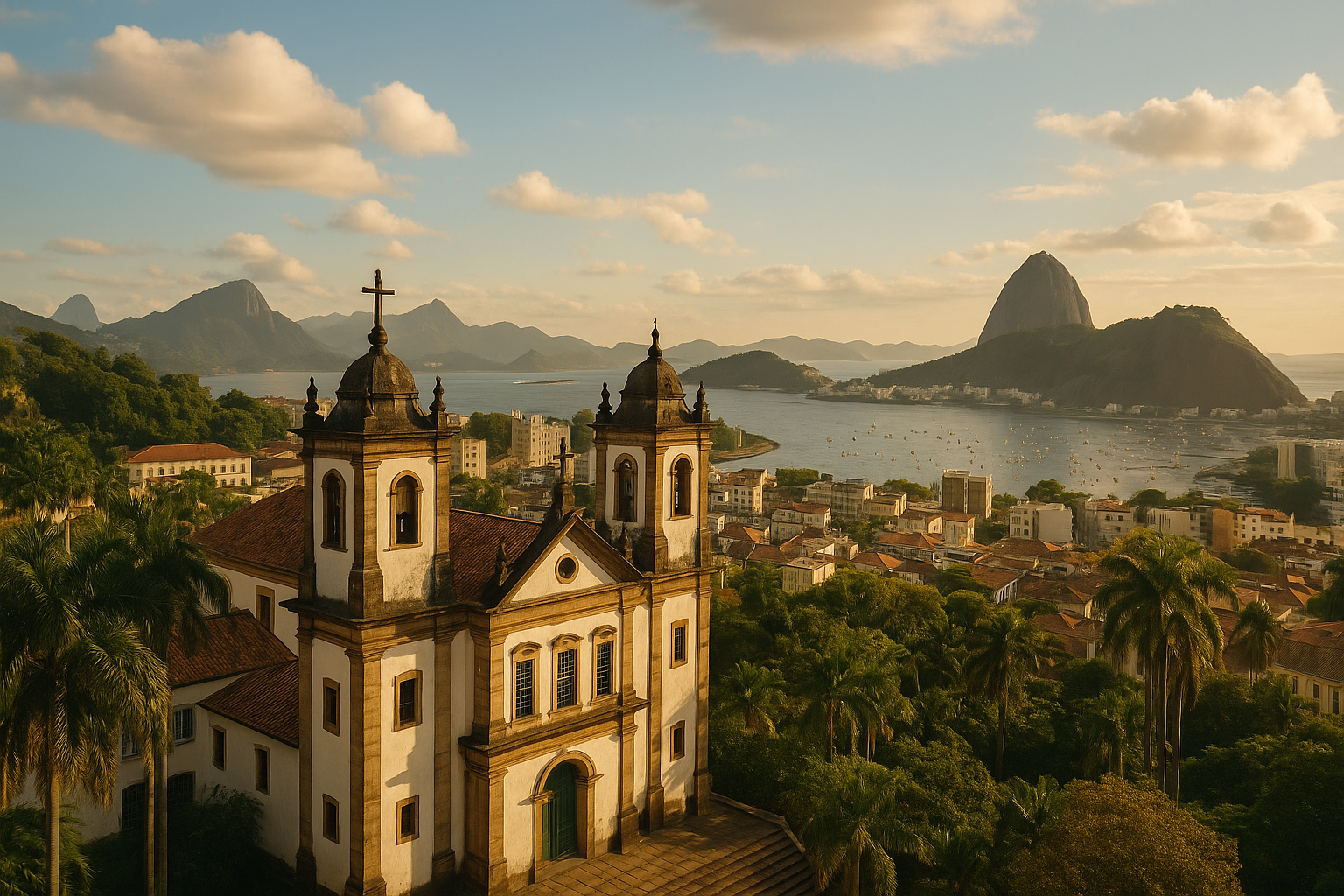
Brazil moves on multiple paces at once: São Paulo’s workday is sharp and metropolitan, Rio’s seaside life leans into the water and late evenings, and Brasília’s avenues feel planned and administrative in a way you won’t find elsewhere. Markets and bars are social hubs — weekday lunchtimes are important in working life, while weekends often centre on churrasco gatherings or long beach afternoons, depending on the region.
Practical movement in these months
Distances are long enough that domestic flights are the practical norm between far-flung regions, while overnight intercity coaches remain a comfortable and common alternative. Urban travel varies: São Paulo’s congestion is real, Rio’s traffic eases near the coast but public transport can be crowded, and small towns will ask for cash in reais more often than big-city restaurants do; credit cards work widely, but carry small notes for markets and ferries.
Customs, meals and what surprises first-time visitors
Expect Portuguese to be the working language outside major hotel zones — a few words go a long way. Greetings mix formality and warmth: handshakes in business, and a light cheek kiss or two between acquaintances in many social settings; punctuality is flexible in social invitations. Meals skew late in urban nightlife: dinner often starts after 8pm, caipirinhas appear on many tables, feijoada and churrasco remain social rituals on weekends, and restaurants will commonly add a 10% service charge that locals accept as part of the bill. What surprises newcomers most is how public life spills onto beaches, squares and food markets — in Brazil those places are as much daily living rooms as they are attractions.
Quick 5
Brazil
Brazil
Brazil
Brazil
Brazil
Regions

Travel Requirements
What you need to enter Brazil, for the passport you hold.
Places of interest
Landscapes in Brazil
Travel Tips