

Chile
Short description
Spring in Chile: September–November is Chilean spring, not autumn
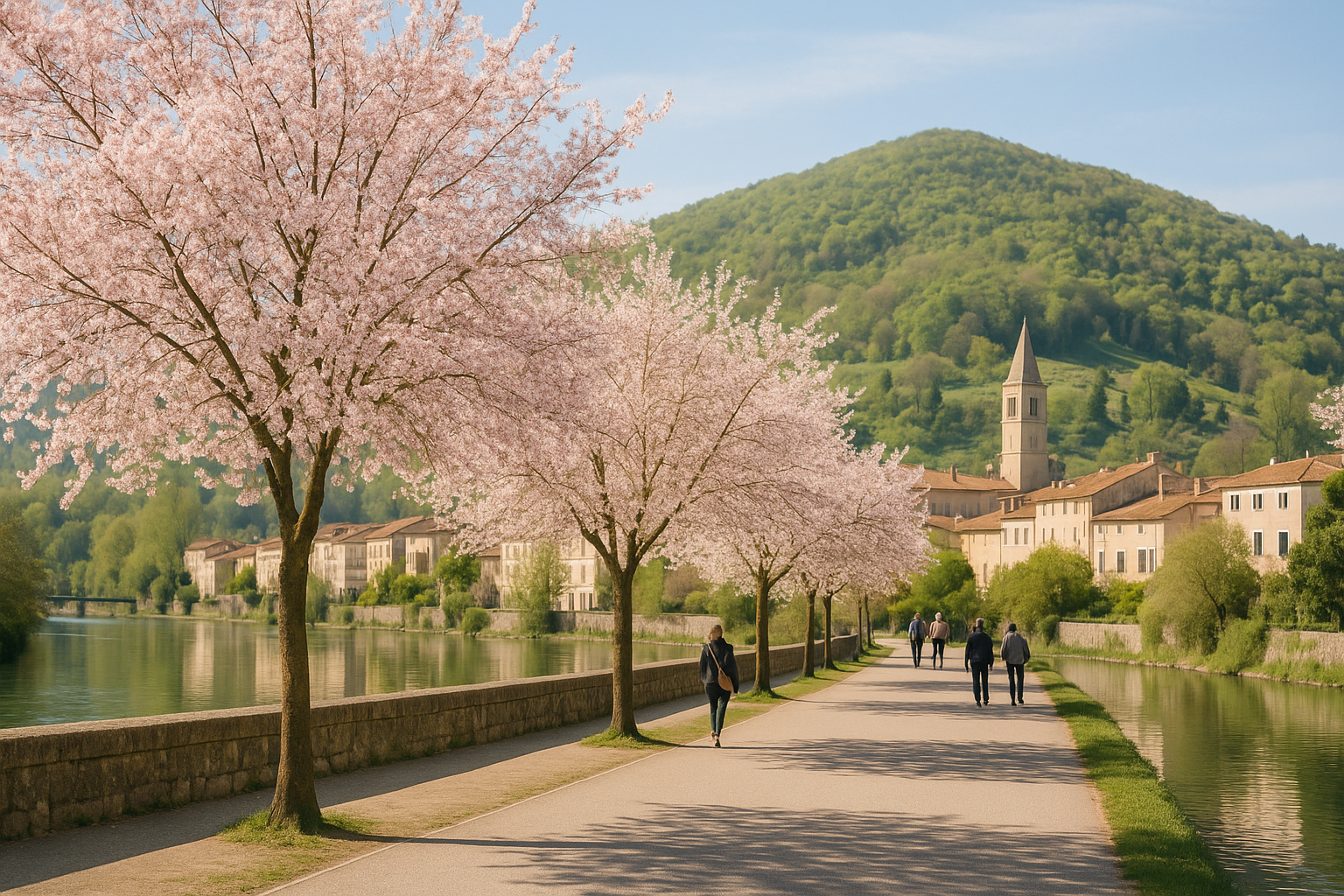
September opens with Fiestas Patrias — the 18th and 19th — when Santiago and provincial towns erupt in ramadas, cueca dancing and asados, and many businesses shut for family celebrations; plan travel and bookings around those dates. Jacaranda and plum trees bloom through October in the Central Valley and Santiago, vineyards begin to leaf out after winter dormancy, and in northern coastal pockets a spring bloom can carpet the Atacama foothills when winter rains have been generous.
How Chile’s shape changes every trip
Chile’s 4,200-kilometre spine means a weekend in San Pedro de Atacama is a different climate and culture from one spent in the icefields around Punta Arenas; domestic flights are the backbone of long-distance travel, while the Carretera Austral in the south still demands slow, gravel-time and occasional ferries between fjords. Santiago’s metro and intercity buses are reliable for central routes, but on Chiloé or in Aysén you will find ATMs scarce and card machines unreliable — bring some pesos for markets and rural ferries.
Day-to-day behaviour in spring
On first meetings expect a handshake or a single kiss on the right cheek among acquaintances; Chileans often use tú with peers but revert to usted in formal or older-company settings. Lunch is the main midday meal — many businesses pause between 1pm and 3pm — and dinner drifts late, often after 9pm in cities. Spring weekends bring family asados in suburban patios and empanadas appear everywhere during Fiestas Patrias, so accept an offer of food: refusing can be taken personally.
What surprises visitors in September–November
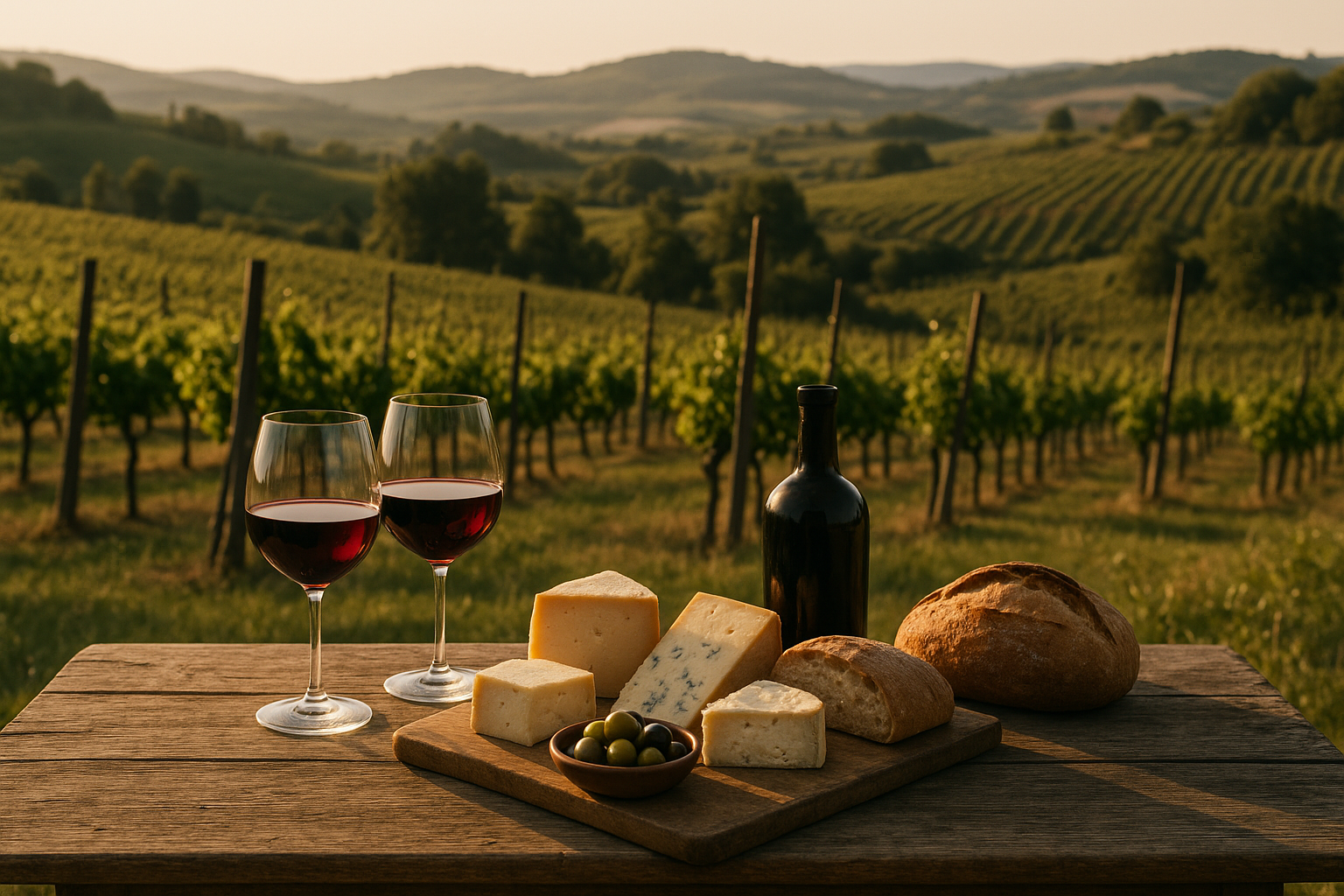
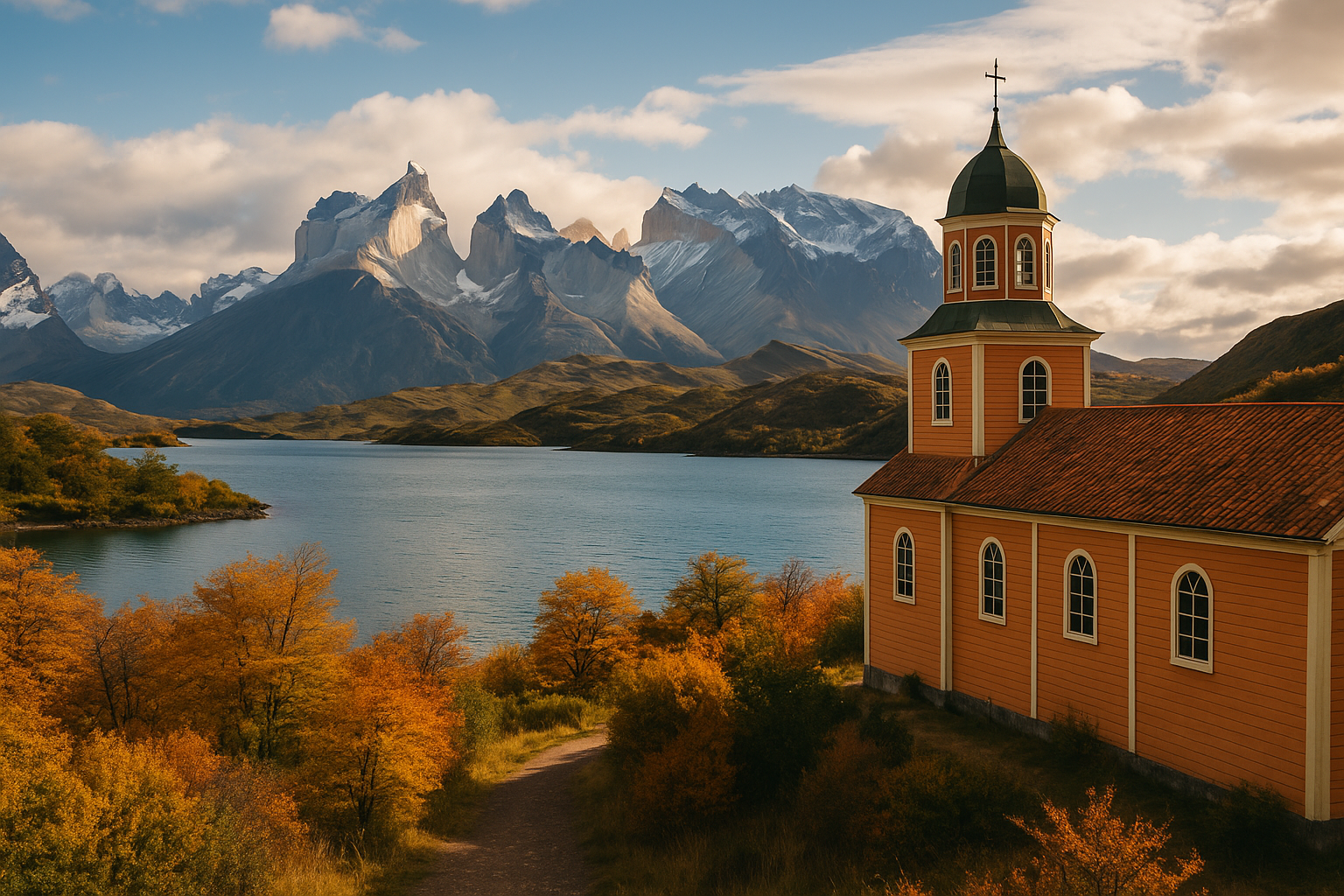
Travelers often expect uniform cold in southern Chile, yet spring can deliver simultaneous jacaranda-lined streets in Santiago, floral carpets in parts of the north, and lingering snowfields in Torres del Paine — you pack for all of them. Also expect a domestic surge around mid-September: buses sell out and vineyards are quieter than in harvest season, making spring one of the more flexible times to visit wineries if you avoid the national holidays.
Quick 5
Chile
Chile
Chile
Chile
Chile
Regions
Travel Requirements
What you need to enter Chile, for the passport you hold.
Places of interest
Landscapes in Chile
Travel Tips