

Cuba
Short description
Streets and rhythm: what Cuba feels like in person
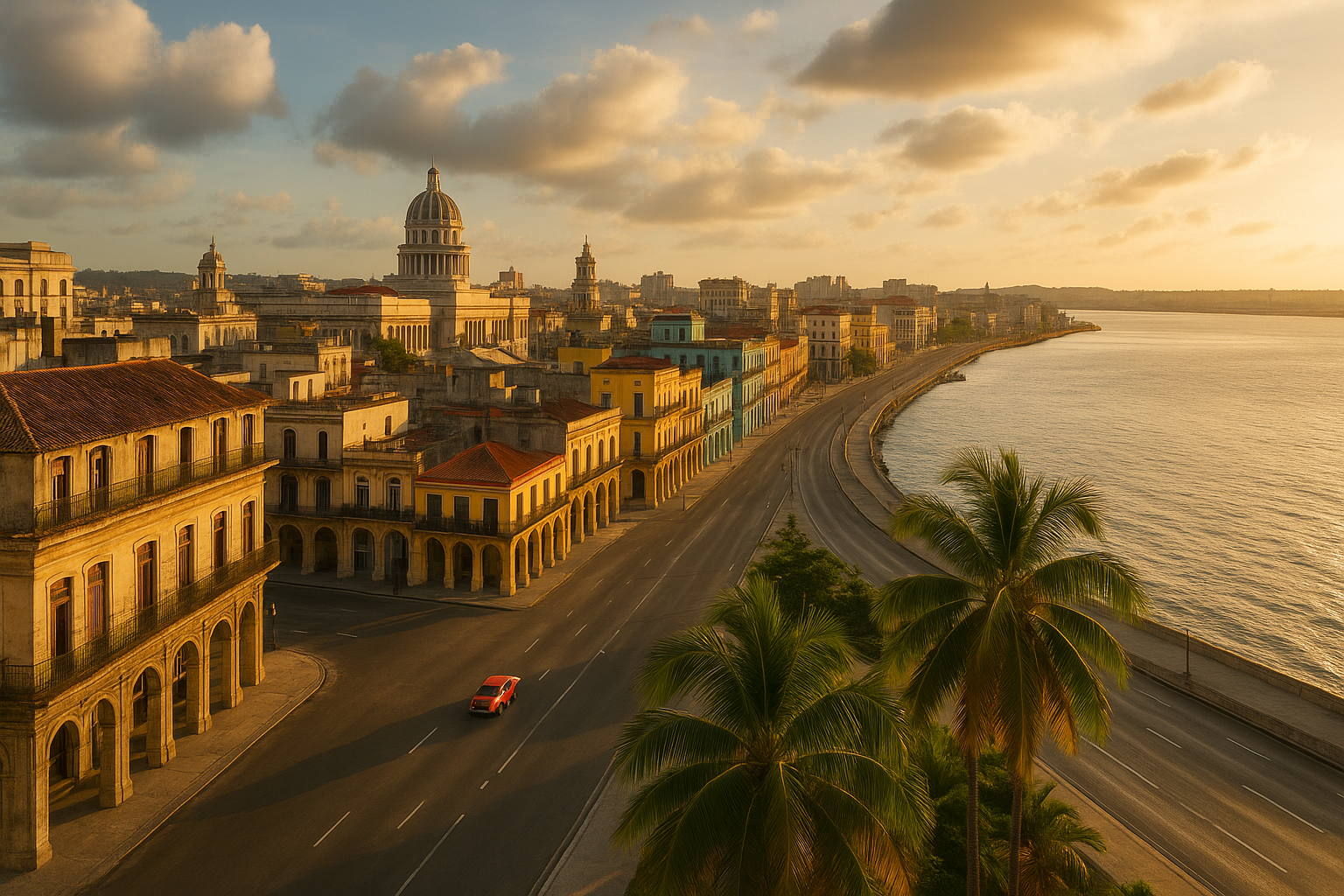
September in Cuba still smells of sea and diesel: vintage Fords and Chevys share Havana avenues with new utilitarian buses, and music—son, timba, bolero—filters from open windows at almost any hour. The island’s long, narrow shape makes distances feel different than a map suggests; a three-hour drive will cross several provincial moods, from cane fields to cracked coastal roads, and towns slow down when you leave the main highway.
Autumn here: storms, sticky afternoons and a quieter coastline
Autumn means the tail end of hurricane season, so September and October carry the possibility of tropical storms and sudden heavy showers; by November the rains thin and the sea is still warm enough for swimming. Locals check forecasts more closely than travellers do, and plans—ferry crossings, boat excursions and some rural trips—are the things most likely to be rearranged on short notice.
Getting around, paying and staying connected
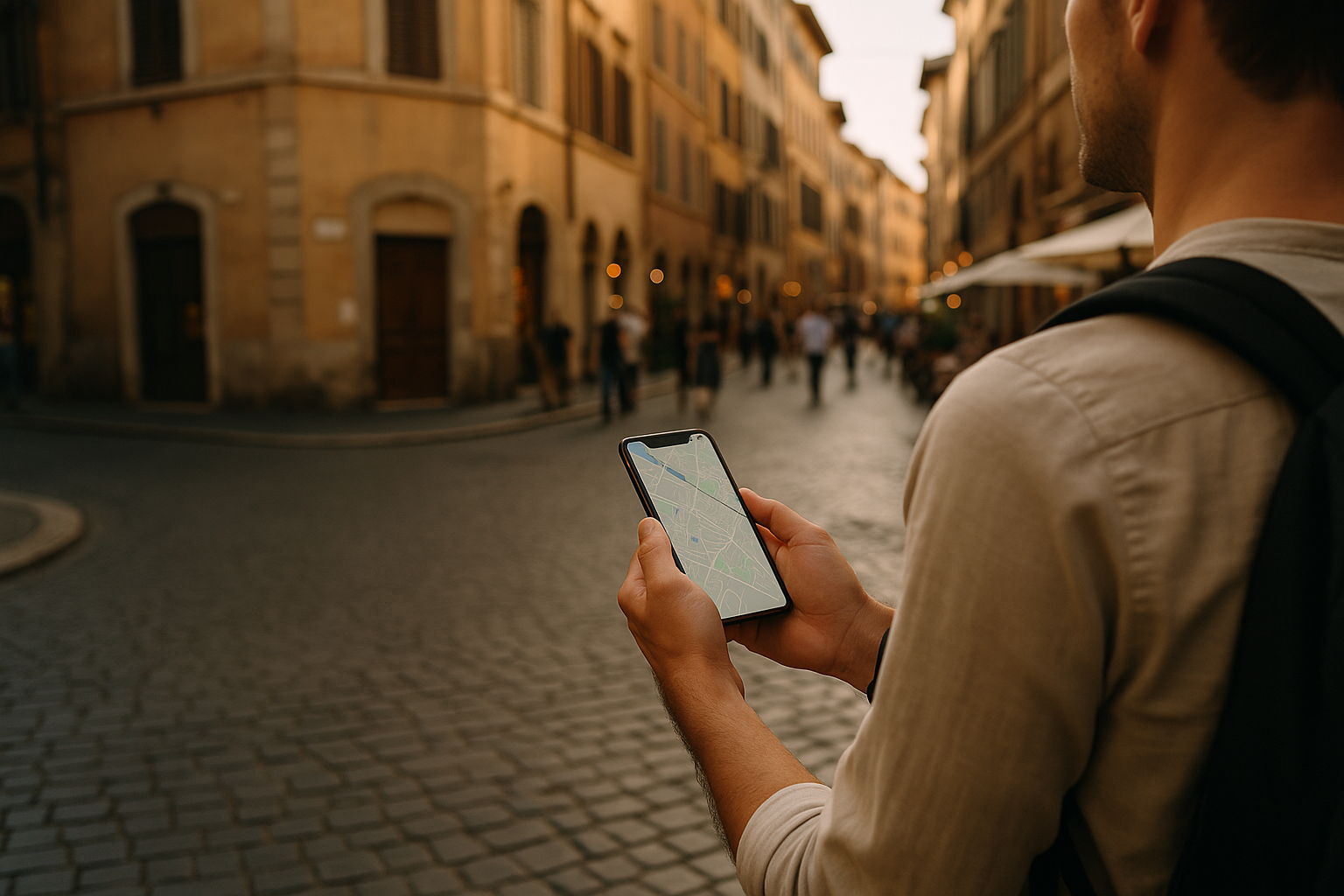
Intercity travel is a mix of old and new: long-distance buses aimed at tourists run on set schedules, domestic flights cover the longer jumps, and hiring a private car with a driver remains a practical option for circuits where public services are sparse. Cash in Cuban pesos will handle most day-to-day purchases; many small restaurants and casas particulares prefer it. Wi‑Fi is not ubiquitous—connection happens at state hotspots and with ETECSA internet cards—so expect intermittent access and plan for offline maps and messages.
Meals, manners and what to expect on day one
Mealtimes and social life lean late in towns: lunch is often the main meal, but evening dining in cities commonly starts after 8pm. You’ll find privately run paladares and family homes offering food alongside state cafeterias; hosts rely on tips and extra cash, and a modest gesture at the end of a meal is normal. Spanish gets you almost everywhere outside tourist bubbles; a few words of greeting and thanks open doors and conversations more effectively than an attempt at local slang.
Quick 5
Cuba
Cuba
Cuba
Cuba
Cuba
Regions

Travel Requirements
What you need to enter Cuba, for the passport you hold.
Places of interest
Landscapes in Cuba
Travel Tips