
Dominica
Short description
How Dominica moves under your feet
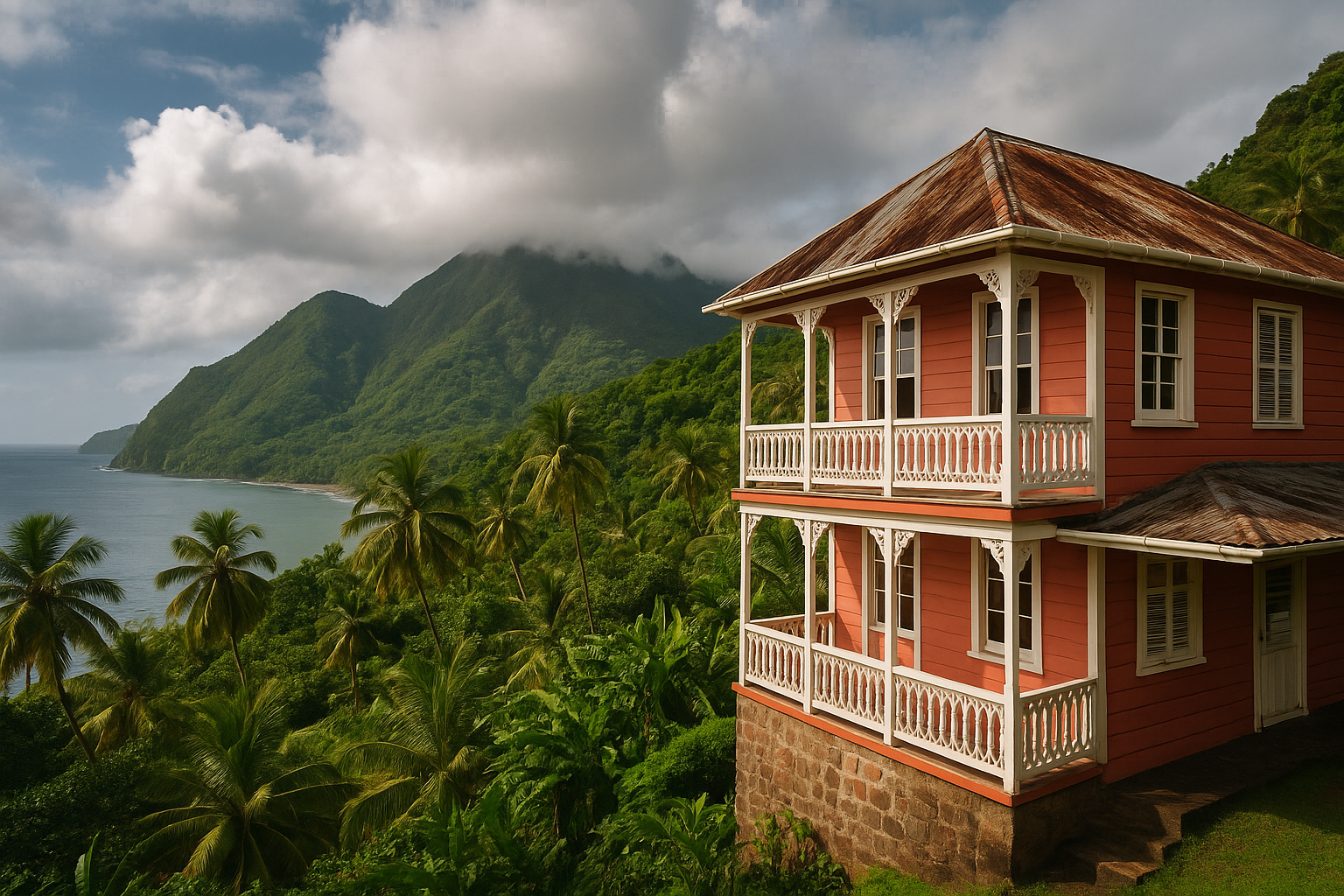
Dominica feels like a compact island whose roads climb and peel back into river valleys: a 30–90 minute drive can pass through cloud forest, a banana plantation and the island's one main town. People often judge distances by the next river crossing rather than kilometres, and that rhythm — steep climb, hairpin, river, village — sets the travel tempo. The island’s geothermal activity quietly alters pockets of air; you can sometimes smell sulphur near hot springs and hear steam rising where the ground vents.
Autumn on Dominica: rain, music and Independence
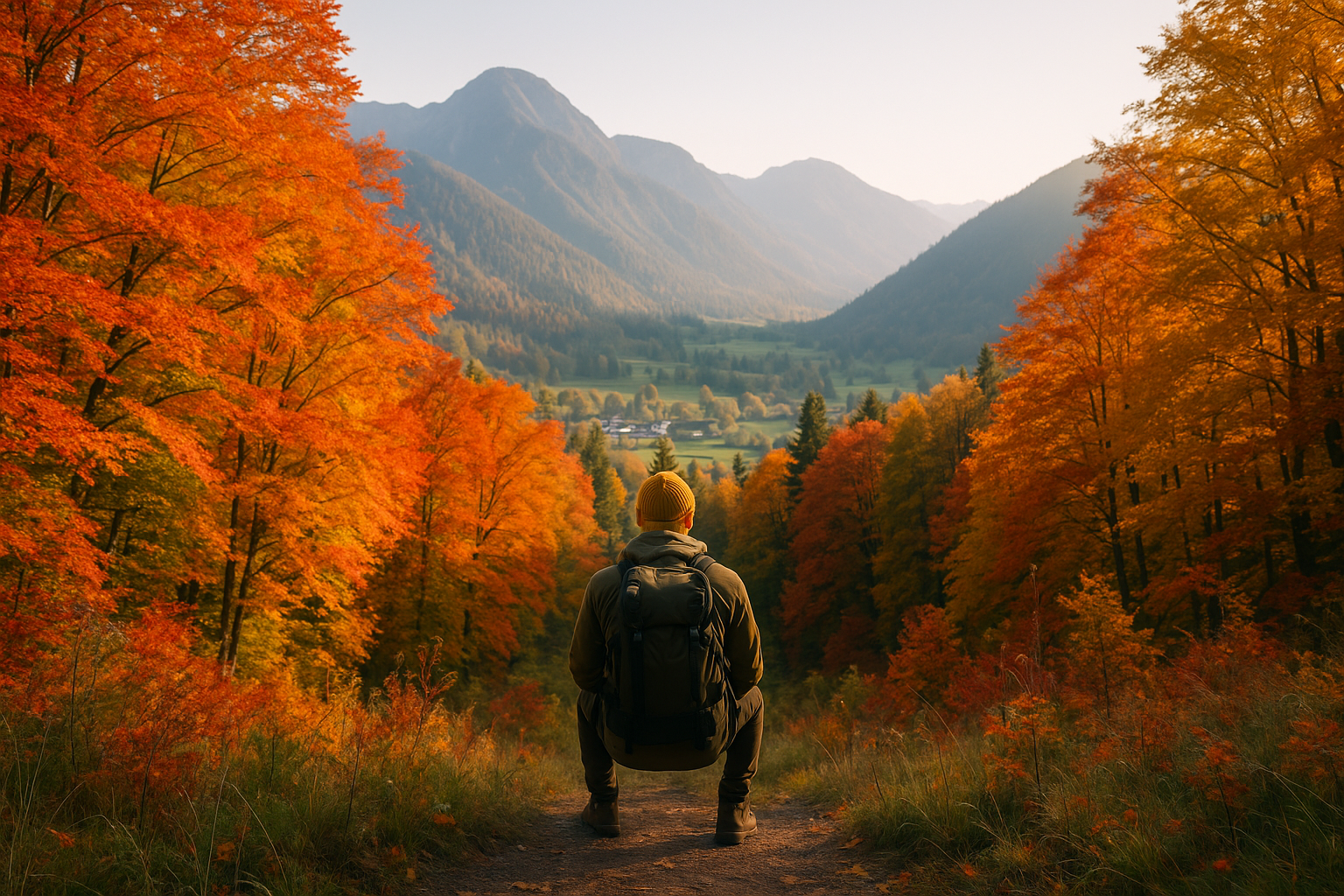
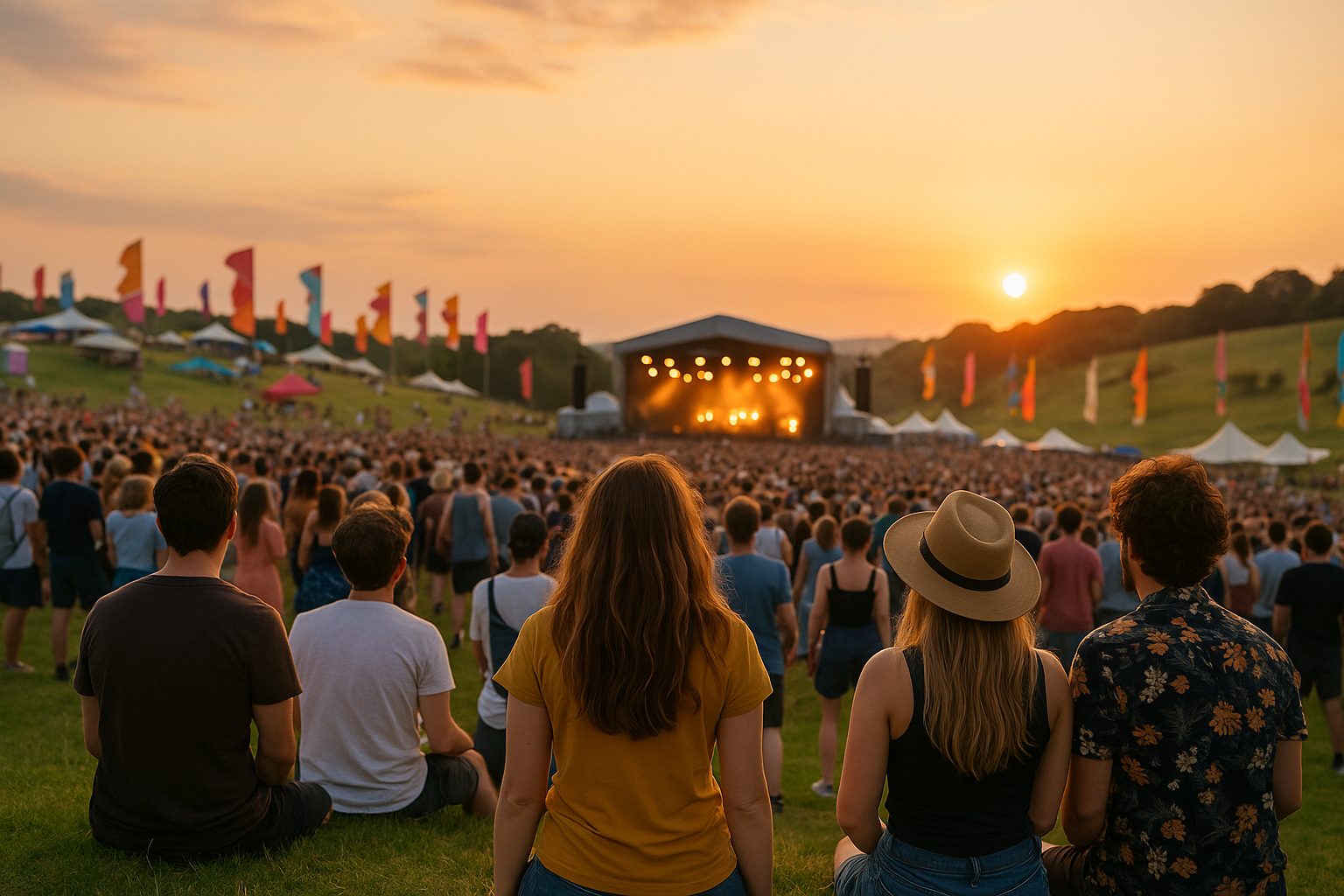
September to November is the Caribbean’s hurricane window here, so autumn brings heavier downpours, swollen rivers and more afternoon cloud than the dry months; trails that are easy in February can be slippery and sometimes temporarily closed. At the same time October hosts the World Creole Music Festival and the calendar builds toward Independence Day on November 3, when Roseau fills with processions, bands and public ceremonies — gatherings that are very much part of local life despite wet weather.
How you actually get around and connect
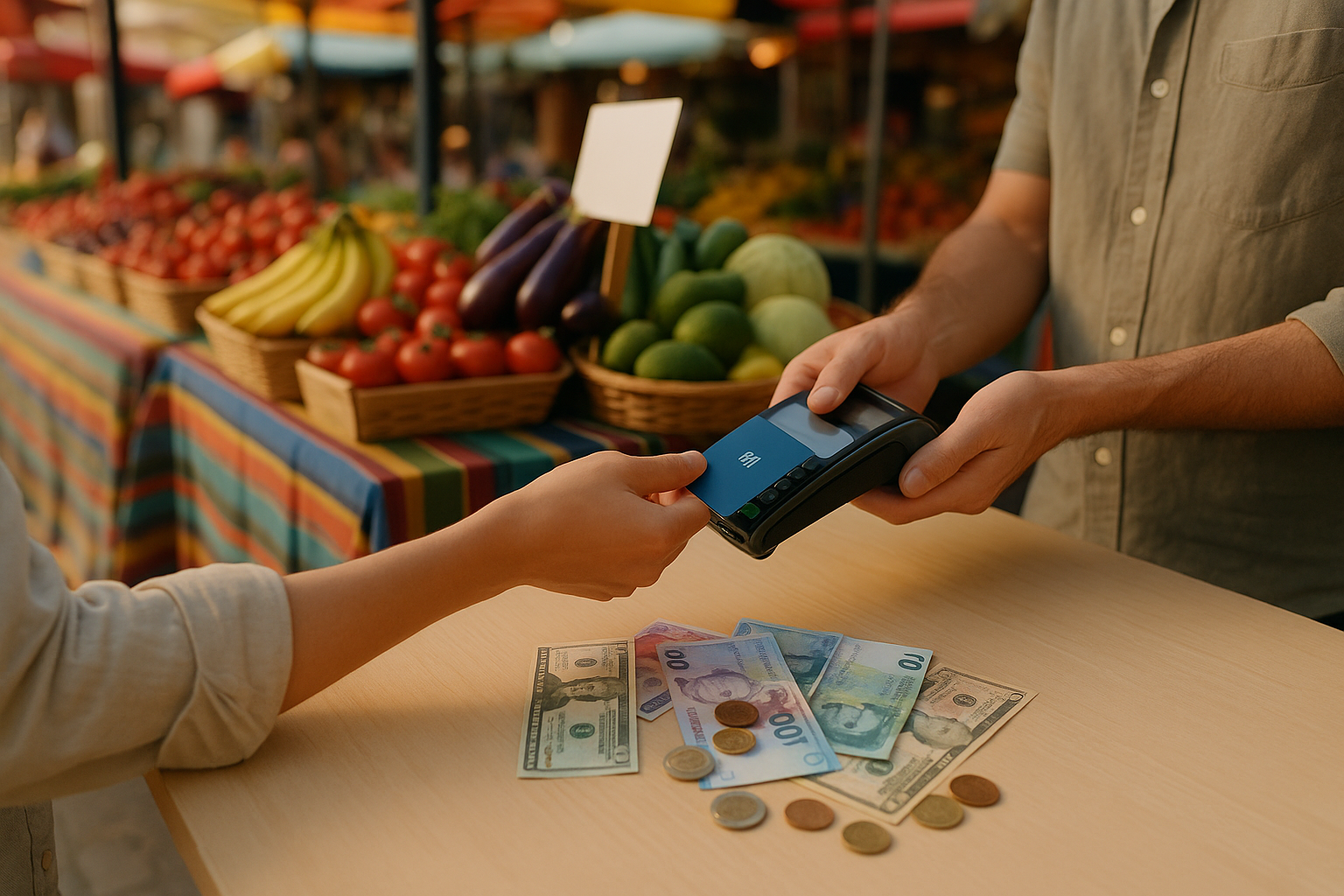
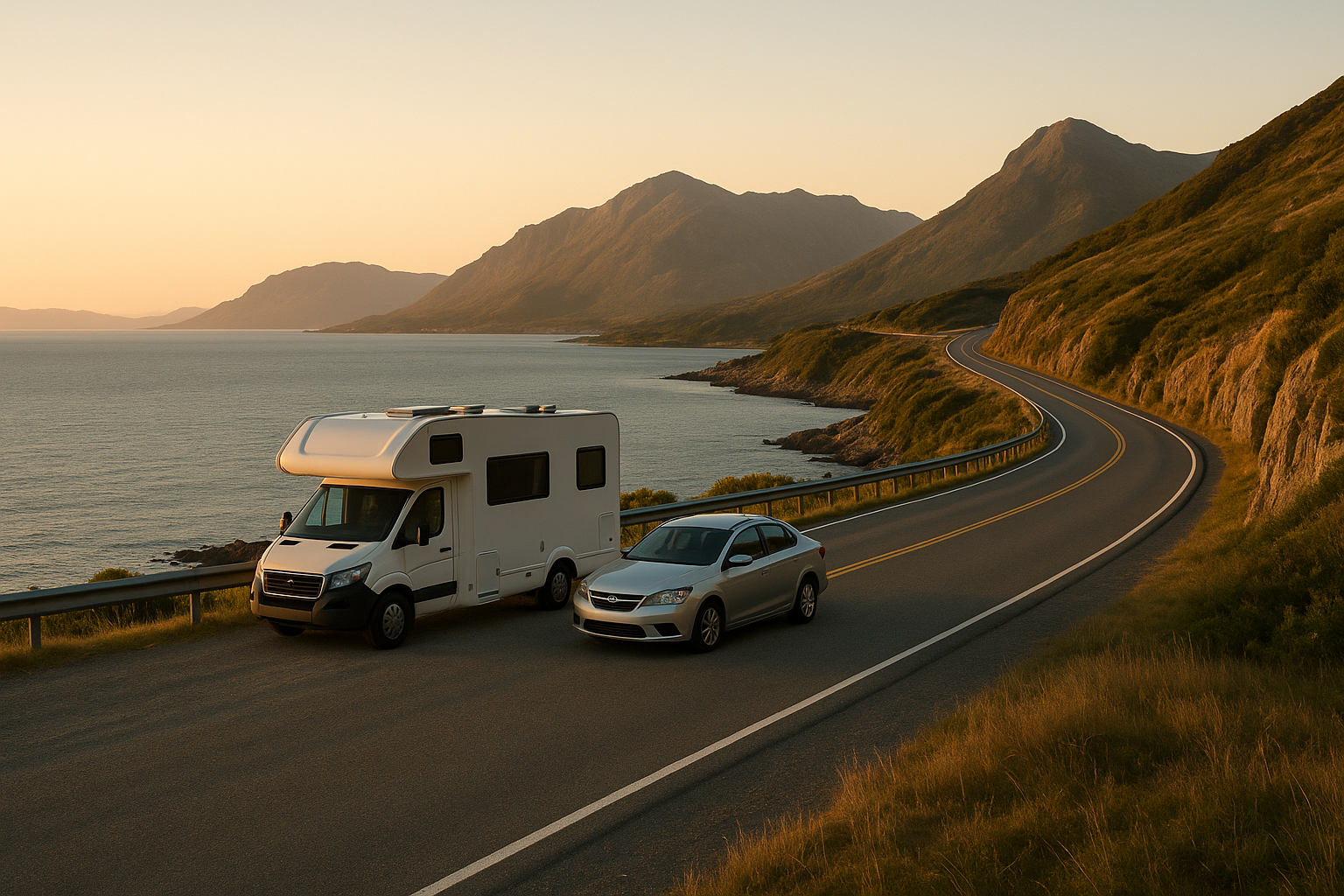
Cars and minibuses dominate; rental vehicles are common but driving requires patience on single-lane, winding coastal roads and inland routes with few lay-bys. Shared minibuses follow informal schedules between villages, and taxis are the practical choice for short hops in the capital. East Caribbean Dollars are everyday currency — card machines work in hotels and restaurants in Roseau but small shops, roadside stands and many village vendors take cash only. English is official, but Dominican Kwéyòl is the language people use socially; attempting a few phrases will earn a grateful response. Mobile coverage is reasonable along coasts and towns but thins inside the interior; hotels and guesthouses provide most reliable Wi‑Fi.
Daily life, mealtimes and what you’ll be offered
Meals follow Creole patterns: a substantial lunch or late-afternoon meal, fish and stews flavoured with local herbs, and street-side vendors selling snacks after market hours. Expect polite, low-key greetings — handshakes or brief chat — when entering shops or cafes. Tipping is not rigidly enforced; small tips are appreciated in restaurants, while market sellers do not expect them. If you’re invited into a home, arrive with a small gift or a willingness to stay for shared food: sharing a plate is a normal part of being welcomed here.
Quick 5
Dominica
Dominica
Dominica
Dominica
Dominica
Regions

Travel Requirements
What you need to enter Dominica, for the passport you hold.
Places of interest
Landscapes in Dominica
Travel Tips