
Ecuador
Short description
Autumn across Ecuador: what September–November actually brings
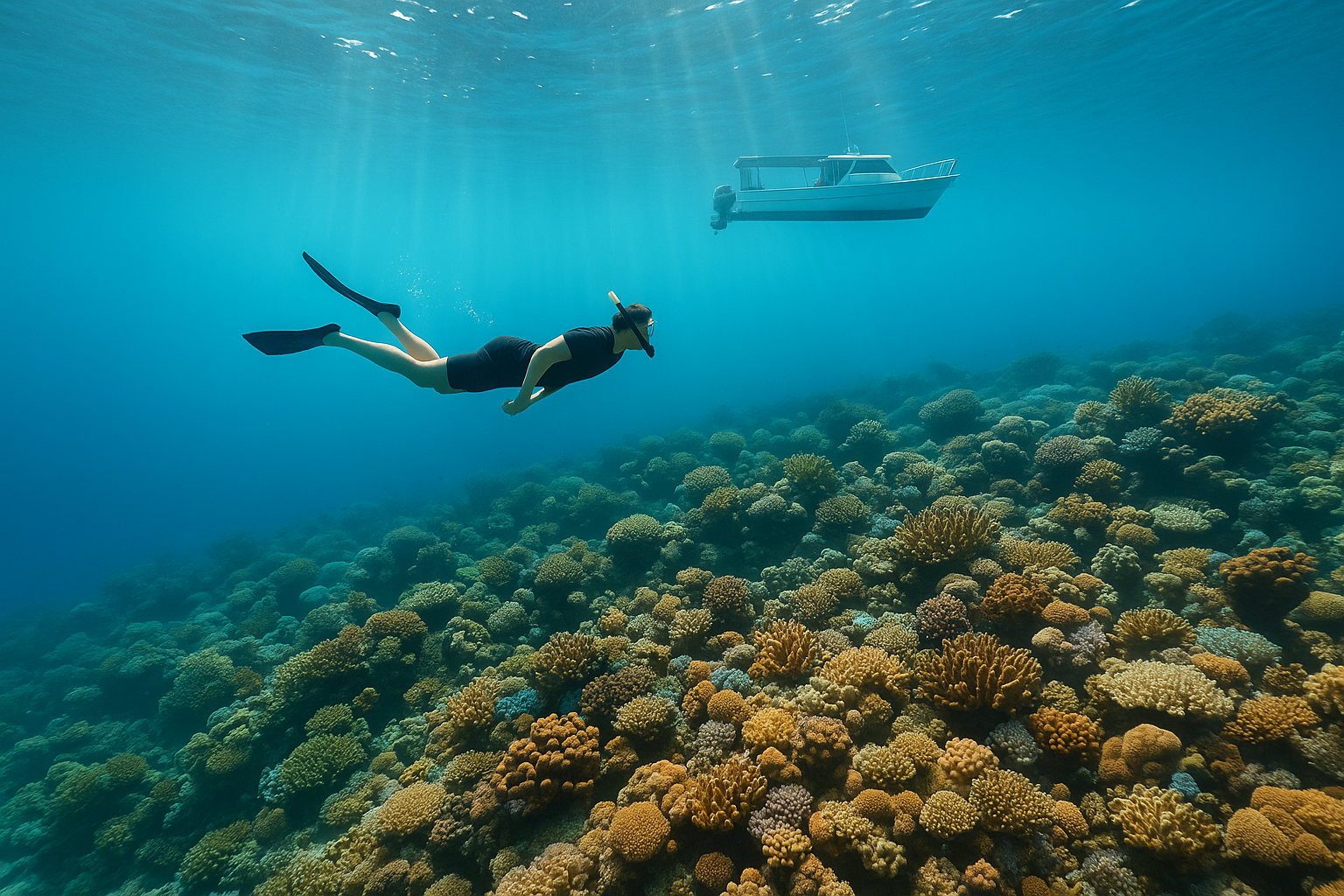
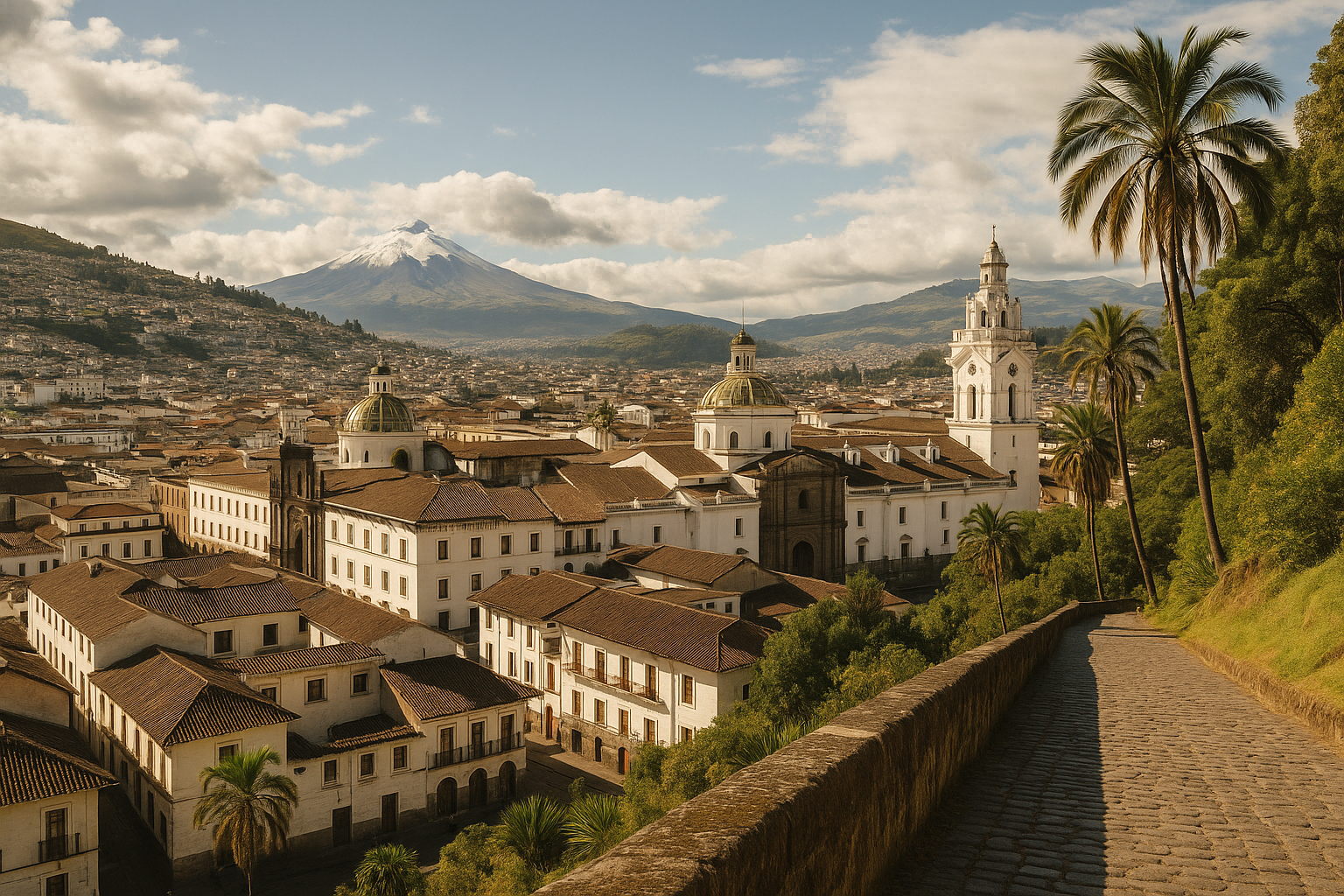
In Ecuador September to November is a patchwork: the highlands that host Quito (about 2,850 metres) slide out of the clear, cool weeks around August and begin to see more afternoon showers by late October, the Pacific lowlands tend to stay on their sunnier stretch, and the Galápagos remain in the cool, nutrient‑rich upwelling season that keeps sea surface temperatures lower and seas choppier than in the year’s warmest months.
How Ecuador’s geography sets the pace
Ecuador’s narrow north–south shape means travel distances look small on a map but take time in practice: Quito to Guayaquil is a sub‑hour flight in Ecuador yet a long bus ride along the Pan‑American, and mountain passes around the Sierra slow any road trip by a couple of hours compared with flat terrain.
Getting around, spending and speaking in Ecuador
In Ecuador domestic flights are common for skipping the Andes; intercity buses are comfortable and frequent between major towns, while remote Amazon roads in the Oriente are slower and less predictable. Ecuador uses the US dollar, so cash works everywhere but cards are easiest in cities; Spanish is the official language and small Quechua‑speaking communities remain in the highlands, so basic Spanish phrases open more doors in rural Ecuador than English will.
Everyday manners and rhythms you’ll notice in Ecuador
In Ecuador greetings vary from a formal handshake in business settings to a single cheek kiss among acquaintances, and family lunchtime—when many Ecuadorians eat their main meal—often stretches across early afternoon. Dress in Ecuador’s highlands is layered because temperatures swing sharply between sun and evening chill, while coastal towns favour light, informal clothing. Restaurants in Ecuador frequently list a service charge; where it isn’t added, a modest tip is common.
Small surprises that catch visitors in Ecuador
Many first‑time visitors to Ecuador underestimate altitude effects around Quito and the nearby towns, and travellers are sometimes surprised that the Galápagos in September–November show very different wildlife behaviour and colder waters than the islands do nearer to January.
Quick 5
Ecuador
Ecuador
Ecuador
Ecuador
Ecuador
Regions

Travel Requirements
What you need to enter Ecuador, for the passport you hold.
Places of interest
Landscapes in Ecuador
Travel Tips