
El Salvador
Short description
Independence parades and the tail end of the coffee season
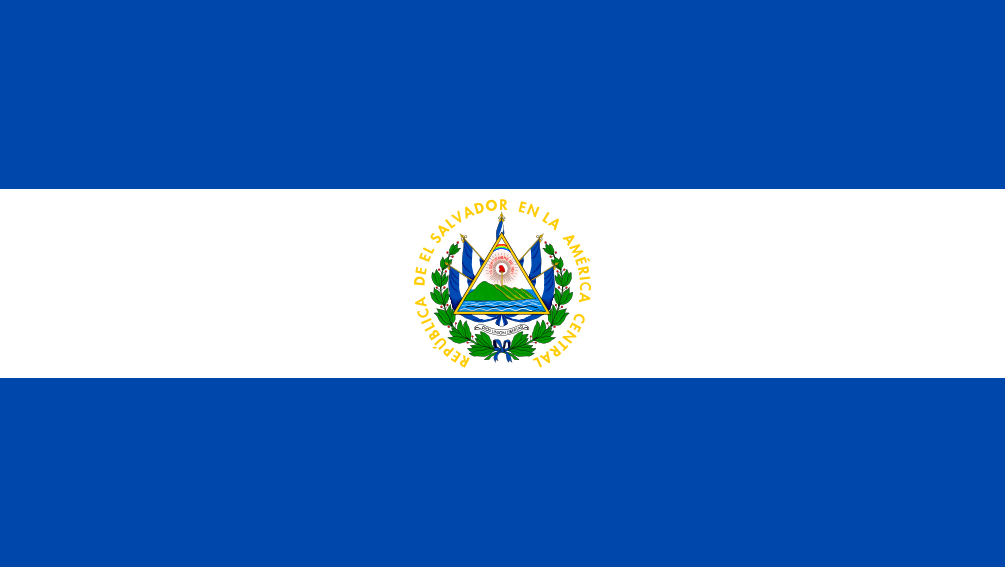
In September the blue-and-white flags and school bands make it impossible to miss Independence Day, and by October the steep coffee fincas around Chalatenango and Apaneca start filling with pickers as cherries begin to ripen. Those two facts set the autumn rhythm: civic pageantry in the cities, and a working harvest in the highlands that feeds a visible shift in activity on rural roads.
How El Salvador moves in autumn
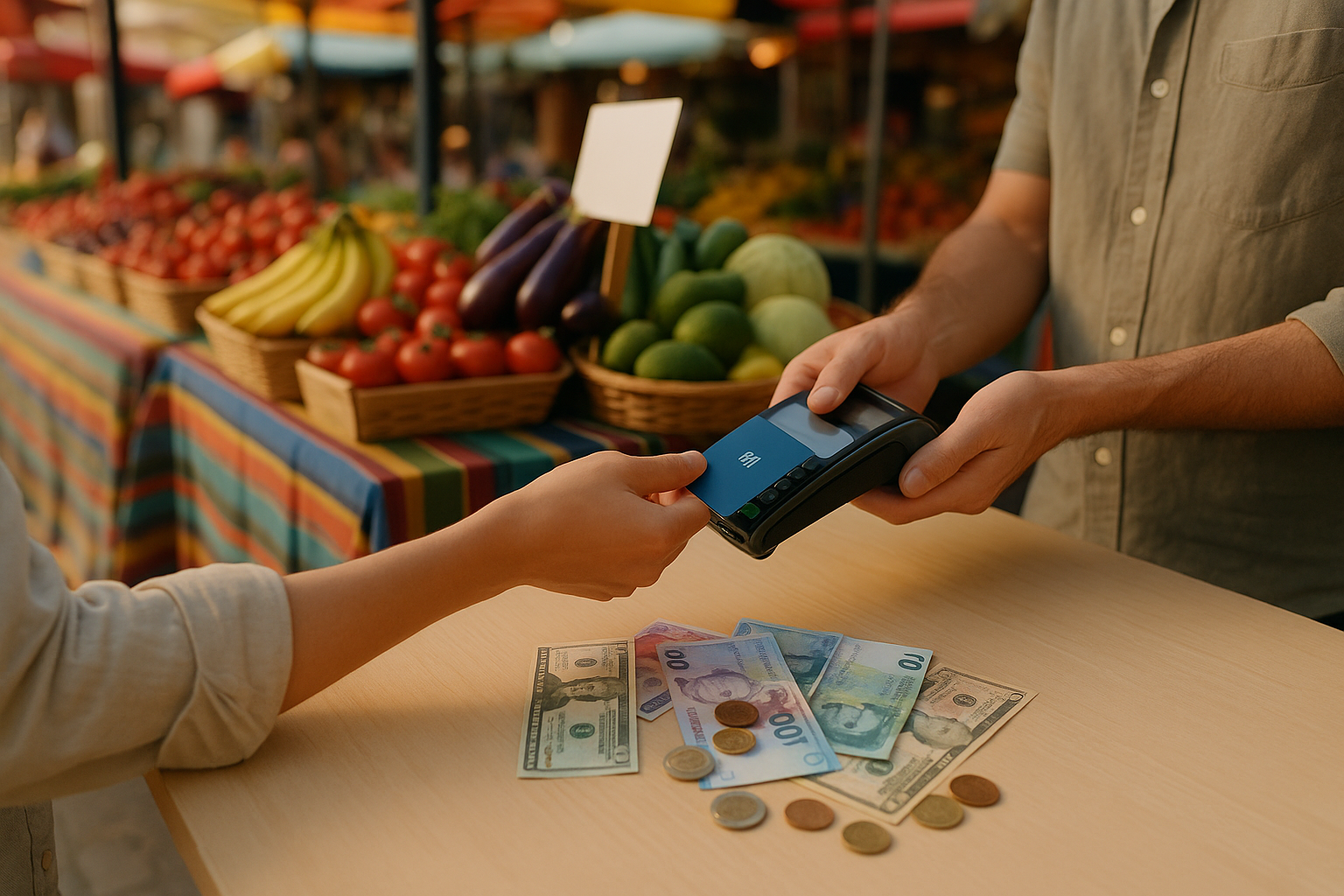
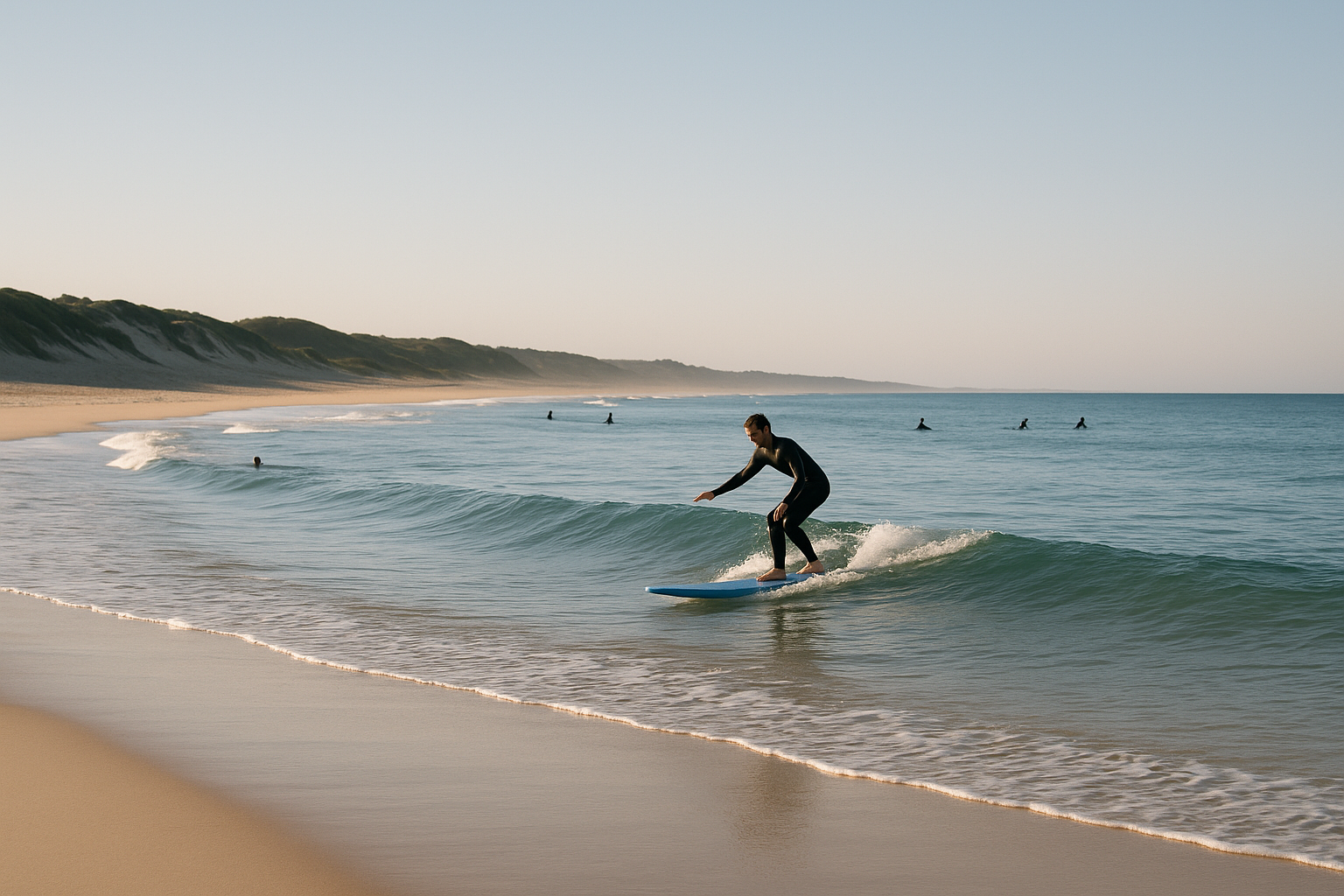
Distances are short on the map but deceptive in practice: a drive from San Salvador to the Ruta de las Flores or to coastal surf towns commonly takes anywhere from 1.5 to 3 hours depending on mountain roads and rush-hour congestion. Intercity microbuses are cheap and frequent; private shuttles and colectivos fill gaps for day trips. In towns and markets cash (USD) is still the dominant payment for a lot of daily life, while larger hotels, supermarkets and many restaurants accept cards. Mobile SIMs are inexpensive and data works well in urban valleys; coverage thins over volcanic passes and remote coffee slopes.
Daily manners you’ll notice first
People usually greet with a handshake, or among acquaintances a single cheek kiss; using usted and titles until invited to switch to tú is the expected politeness. Mealtimes cluster around a heavy lunchtime, and many workers take an implied mid-afternoon pause during which businesses slow. Religious and civic events—processions and patron-saint fiestas—still shape local schedules, especially in smaller towns during these months.
Eating in El Salvador in autumn
Pupuserías are the social centres: you’ll share a grill-end table as families come for cheese, refried-bean or loroco-filled pupusas and curtido. Street vendors and small comedores serve yuca con chicharrón and plate-sized enchiladas that people eat early in the evening; food is often ordered and paid for in cash. Coffee is not just a souvenir word here—autumn smells of wet soil and sugar from pulped cherries, and finca shops will sell fresh-roast beans direct from the season’s pick.
Quick 5
El Salvador
El Salvador
El Salvador
El Salvador
El Salvador
Regions

Travel Requirements
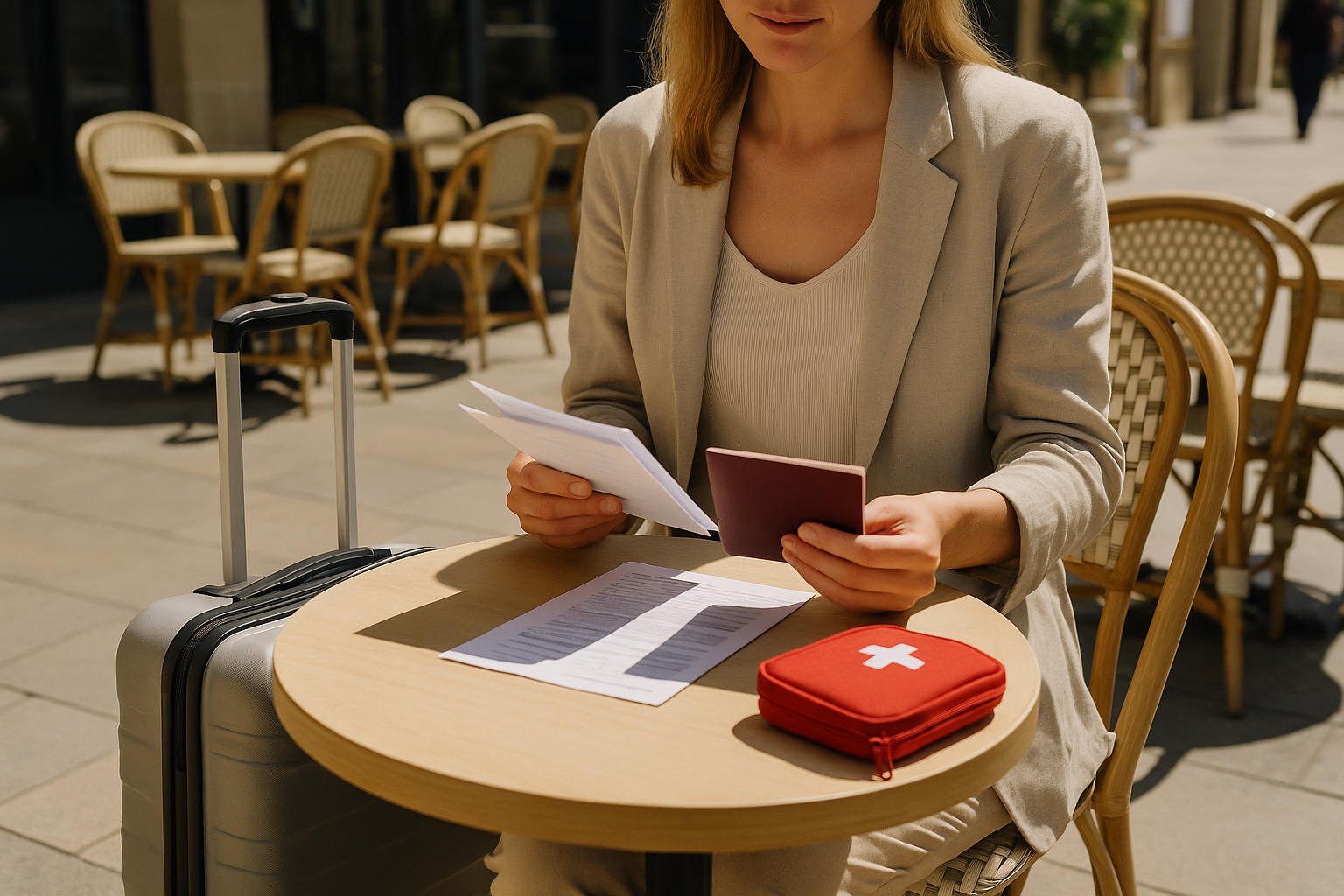
What you need to enter El Salvador, for the passport you hold.
Places of interest
Landscapes in El Salvador
Travel Tips