
Honduras
Short description
September–November: Honduras’s wet months and the coffee calendar
September through November are the rainiest months in Honduras and also the stretch when highland coffee fincas move from flowering into harvest. Downpours can arrive in the afternoon along the northern coast and as persistent drizzle in the central mountains; farmers in Marcala and Ocotepeque are already picking cherries by late October. At the same time, mid-September brings national Independence Day ceremonies—schools parade and small towns close for civic events—so travel plans around 15 September should expect local traffic and celebrations.
How Honduras feels on the ground
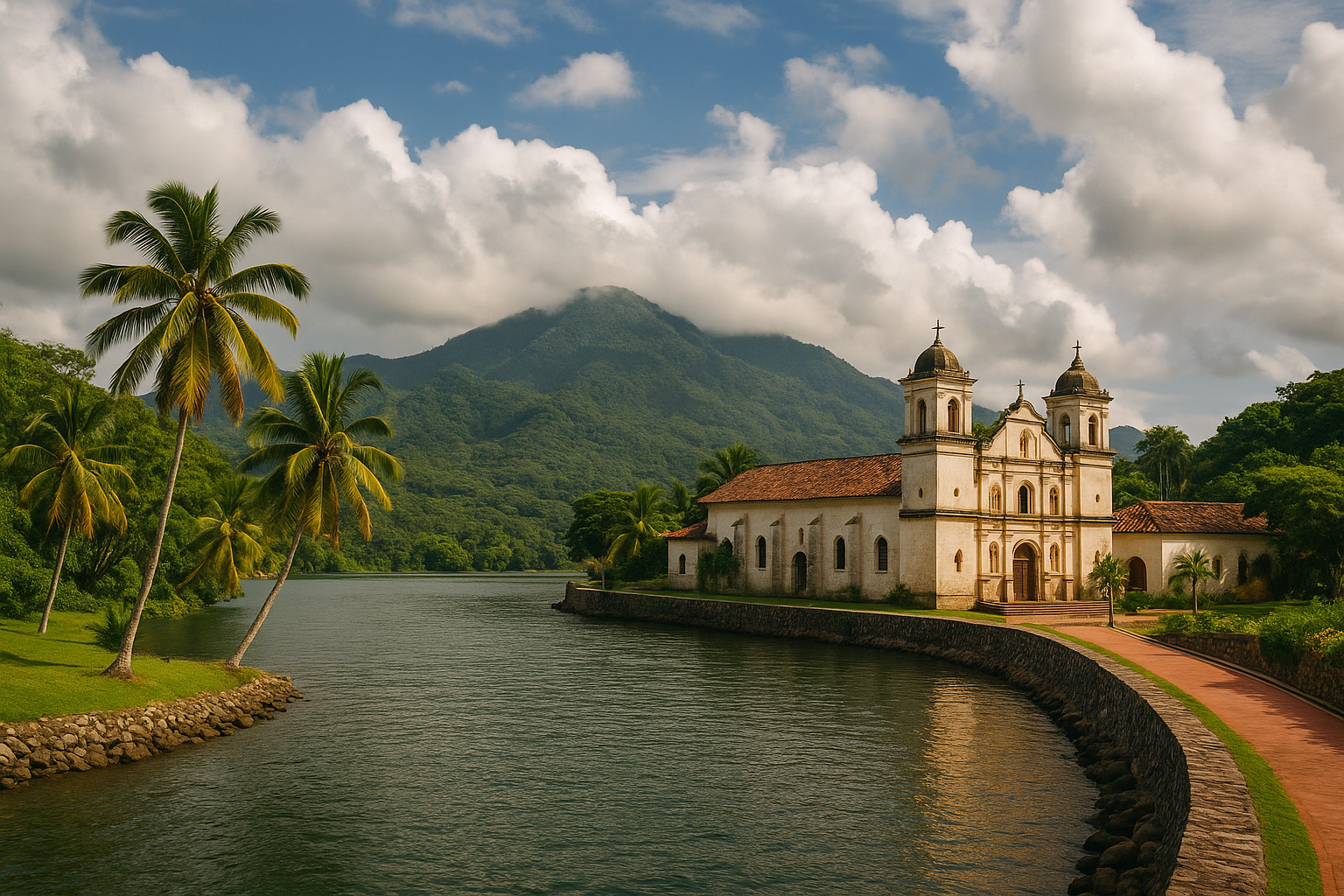
The country tilts between the warm Caribbean shore of the Bay Islands and a spine of steep, forested sierras; evenings in Tegucigalpa and Gracias often feel noticeably cooler than coastal La Ceiba or Roatán. Streets in coastal towns move at a different rhythm from mountain villages: you’ll hear garífuna drumming and coastal seafood stalls near the northern beaches, while inland markets sell roasted Honduran coffee and banana boxes leave plantations at dawn.
Getting around when the rivers rise
Roads between Tegucigalpa, San Pedro Sula and La Ceiba are the main arteries, but secondary roads to mountain communities and coastal villages are prone to washouts during heavy storms; ferry schedules to Roatán and Utila are also frequently adjusted in autumn. Long-distance buses connect the major cities and accept cards at terminals, yet small towns and market vendors expect Lempira in cash. Mobile signal is fine in urban centres and on much of the north coast, but it thins out in higher-altitude cloud forest and on parts of the Gulf of Fonseca.
Daily manners, meals and what surprises visitors
People commonly greet with a firm handshake and use titles like don or doña in rural areas; politeness and a brief exchange about family are normal before business is discussed. Lunch is the main meal—baleadas and tamales are eaten at street stalls from morning into mid-afternoon, while tapado, a coconut-and-seafood stew, appears on Caribbean tables later in the day. Many visitors are surprised that Honduras is not only beach culture: coffee towns have a sober, work-focused tempo and the interior can feel markedly cooler and quieter than the coast.
Quick 5
Honduras
Honduras
Honduras
Honduras
Honduras
Regions

Travel Requirements
What you need to enter Honduras, for the passport you hold.
Places of interest
Landscapes in Honduras
Travel Tips