

Jamaica
Short description
Kingston mornings and the island’s pace
September mornings in Kingston smell of coffee, frying saltfish and the smoke from roadside jerk pits; the island moves on a mix of city commerce, seaside leisure and long, winding country roads that slow every journey. Jamaica’s scale—an elongated island where a coastal drive can substitute for an inland flight—means travel plans are measured in hours, not kilometres, and towns keep a different tempo from tourist towns on the north coast. Streets and markets are often conversational places: vendors expect to chat about prices and gossip, and a relaxed smile will get you farther than blunt efficiency.
Autumn here: what September to November really brings
These months fall in the latter half of the Atlantic hurricane season, so heavy tropical showers and sudden downpours are part of the calendar and the landscape often looks fresher after storms. Tourist numbers thin after the summer peak, so hotels and restaurants in resort areas frequently lower rates and local life returns to the fore: more fishermen on the docks, fewer charter buses at jerk centres and quieter beach towns in the evenings. Harvests and roadside produce tables shift—mangoes are past their peak and citrus begins to appear—so what’s on offer from market stalls changes noticeably week to week.
Getting around: time, money and conversation
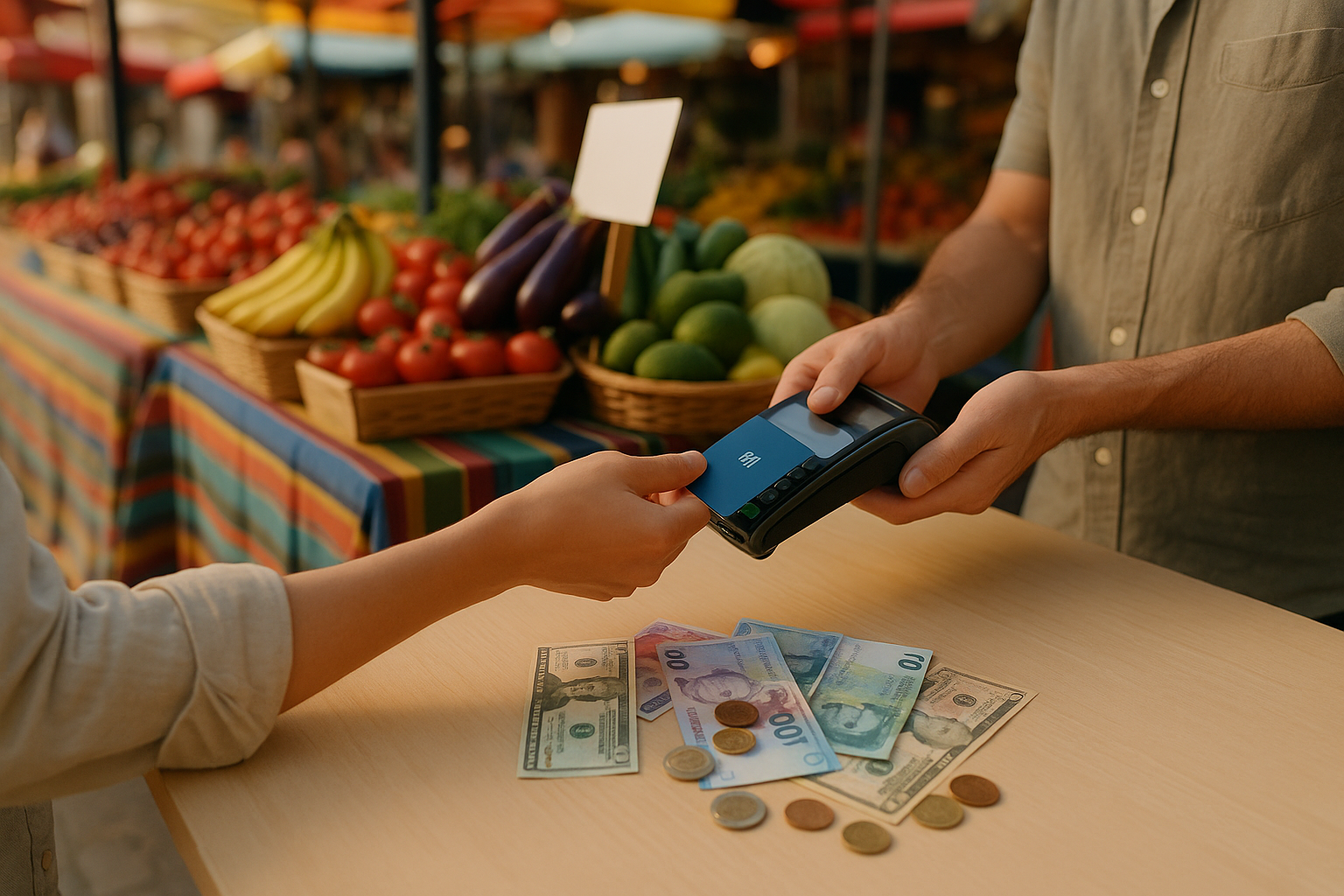
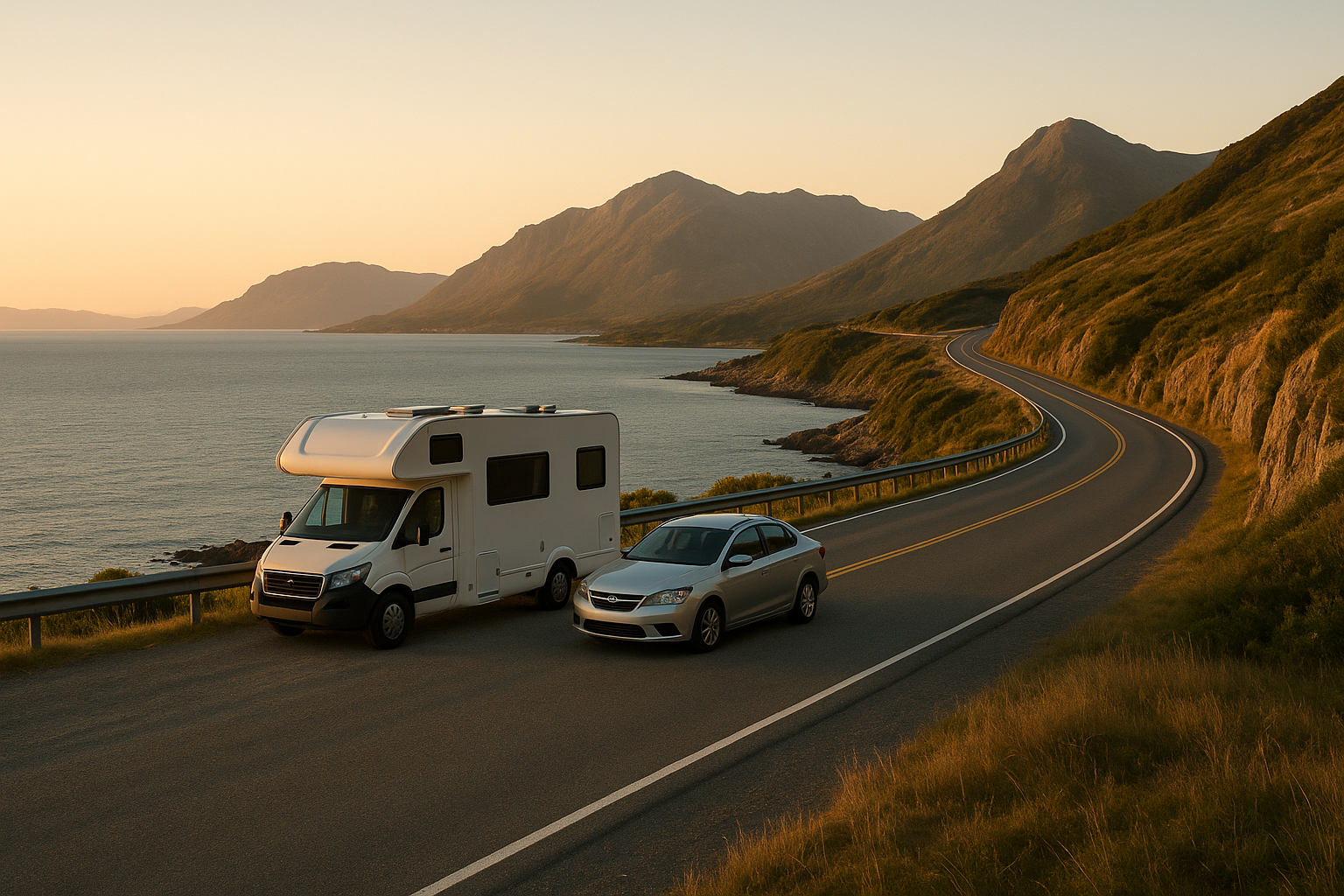
A drive from Kingston to Montego Bay regularly takes about three to four hours on actual roads; expect similar durations between other major towns because Jamaica’s coast-hugging highways and mountain routes are rarely fast. Credit cards work in most hotels and larger restaurants, but small beach shacks, taxis and market stalls often prefer Jamaican dollars; carrying some cash makes random purchases quicker. English will serve you everywhere, and dropping a few Patois phrases—thank yuh, wah gwaan—earns a grin and livens up small transactions.
Everyday customs, food and common surprises
Sunday still belongs to church for many Jamaicans, so Sundays can be louder with gospel music and smarter dress in towns outside the main resorts. Food is public and immediate: patties and fried festival at a road stall, ackee and saltfish for breakfast in family homes, jerk from charcoal pits where locals queue. Visitors often assume reggae and Rastafari define everyone; in reality the island contains lively urban pop, church life, and varied regional accents—Reggae is a prominent thread, not the only one.
Quick 5
Jamaica
Jamaica
Jamaica
Jamaica
Jamaica
Regions
Travel Requirements
What you need to enter Jamaica, for the passport you hold.
Places of interest
Landscapes in Jamaica
Travel Tips