
Panama
Short description
Panama's everyday rhythm: ships, skyscrapers and rainforest at once
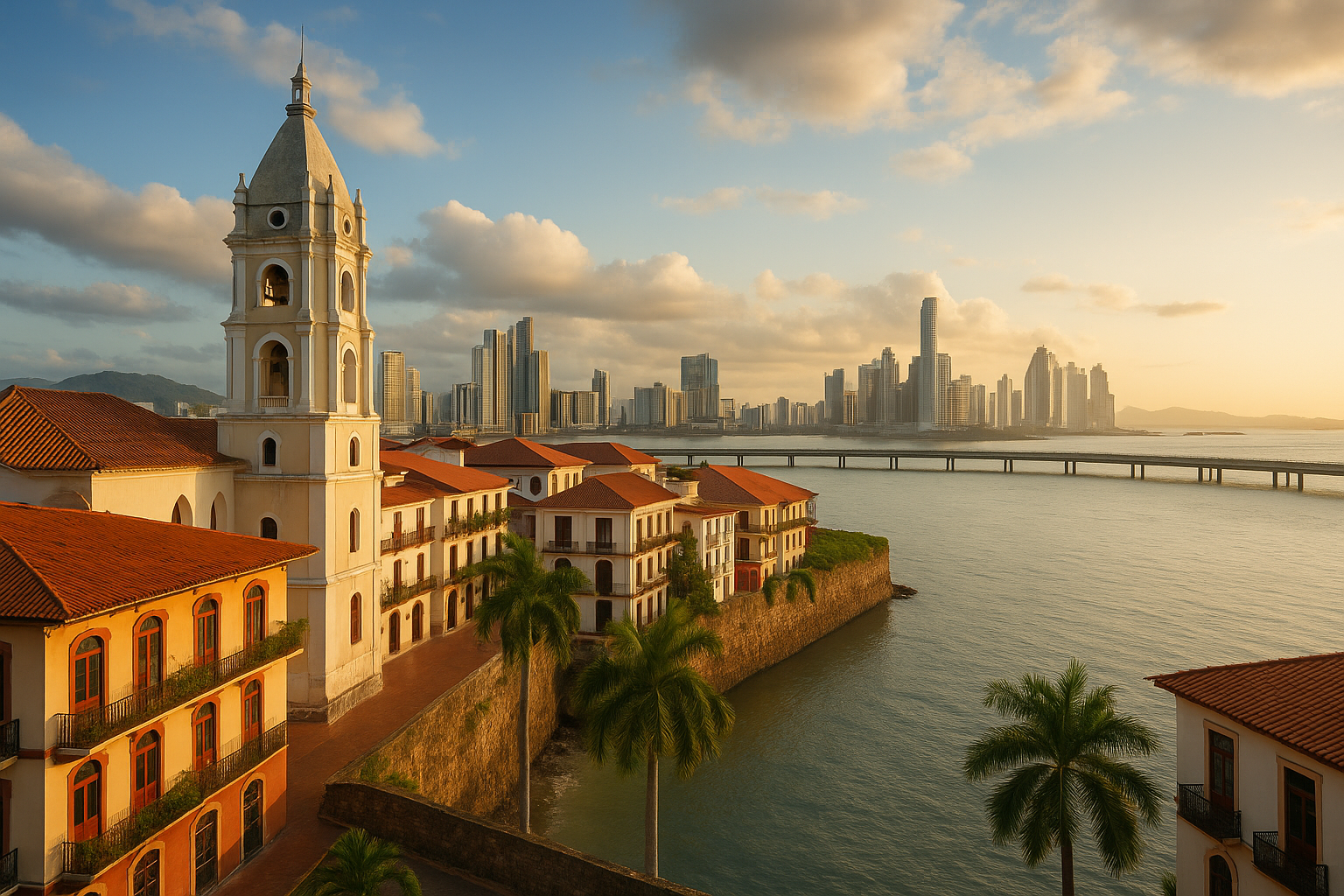
Freighters threading the Canal and glass towers rising from mangrove islands form the most normal backdrop in Panama; you get used to the sight of container ships parked off the city while toucans cry from the palms above the road. The country is narrow enough that the Pacific and Caribbean coasts feel like two separate countries joined by a single spine of mountains and towns, so a day trip can switch ocean, climate and cuisine.
What autumn (September–November) actually does here
Autumn is the high wet season in Panama: expect steady rains that build through the afternoon and often last into the evening, with September and October typically the heaviest months and November beginning a noticeable taper. Rivers and streams run full, inland trails get muddy quickly and the islands off both coasts get fewer visitors; that means lower ferry frequencies and reduced tour schedules in some archipelagos. At the same time, the countryside greets the rains with a sudden green that makes flora obvious even from highways.
Getting around, paying and connecting the dots
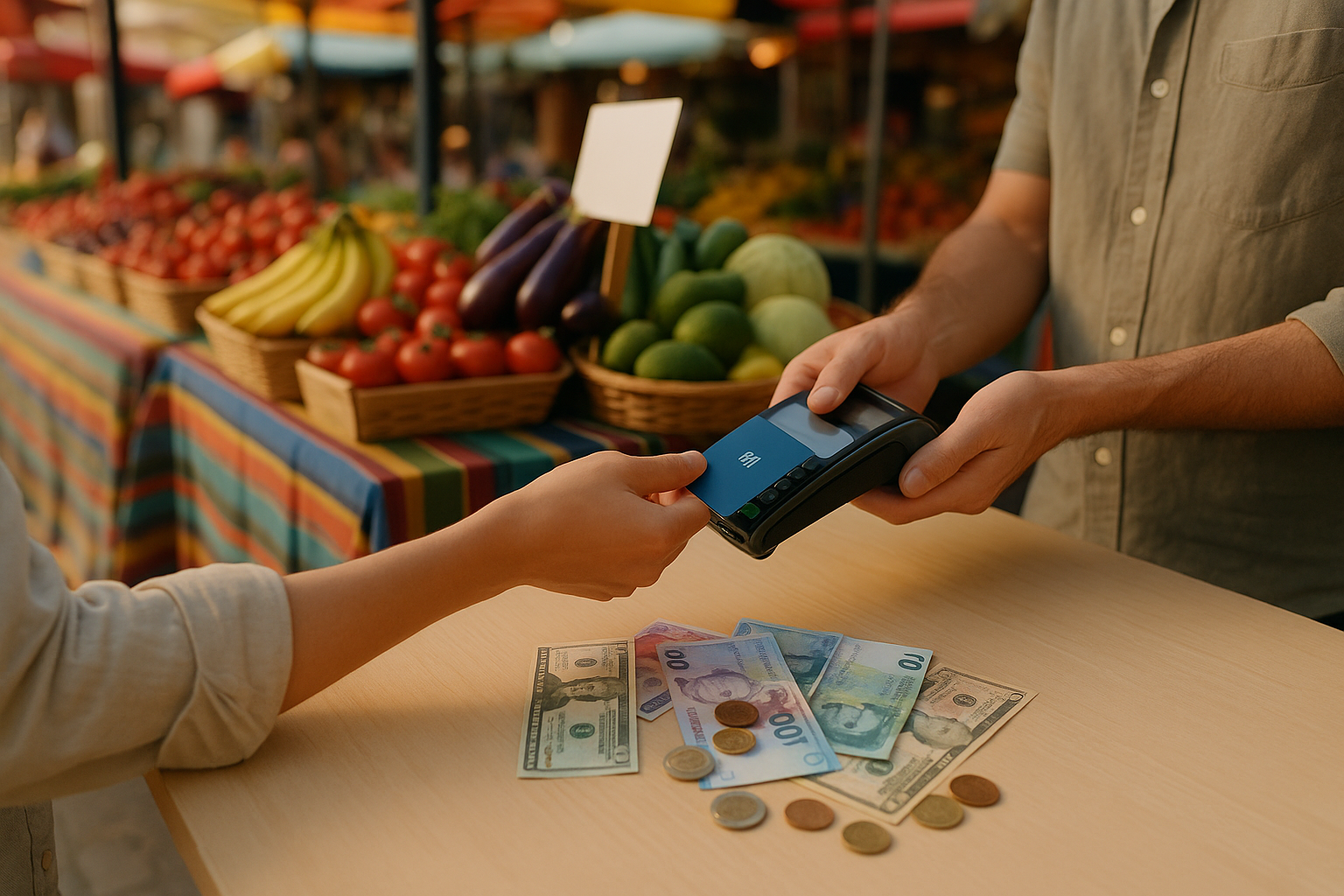
Distances feel shorter than the map suggests because frequent domestic flights and a handful of direct buses stitch the isthmus together; Air Panama and several shuttle operators cover the main routes, and a one-hour domestic flight is often the quickest way to reach Bocas del Toro or the highlands. The Balboa is pegged to the US dollar and both currencies circulate, but small roadside stands, indigenous markets and island vendors often expect cash. Mobile signal and data are solid in Panama City and along the main highway, patchy in Kuna Yala and parts of Darién where satellite or no service is common.
How people behave and what you’ll find at the table
Polite formality is light: a handshake on meeting and a single cheek kiss among acquaintances is routine, Spanish is the working language and learning a few phrases opens conversations with shopkeepers. Lunchtime is the main communal meal in towns, often a hearty soup followed by rice and beans; ceviche appears at roadside stalls and small restaurants will offer coffee from the highlands. Expect a modest service charge on restaurant bills in cities, and in indigenous communities the social rules centre on patience, introductions through a local host and asking before photographing ceremonies or houses.
Quick 5
Panama
Panama
Panama
Panama
Panama
Regions

Travel Requirements
What you need to enter Panama, for the passport you hold.
Places of interest
Landscapes in Panama
Travel Tips