
Paraguay
Short description
Spring arrives at its own speed across Paraguay
In Paraguay, September marks the start of spring: jacaranda and flamboyán push colour into Asunción's avenues while the Gran Chaco to the west already runs warm and dry. Those three months are the transition from cooler, shorter days to long, humid afternoons; rainfall increases toward November in the eastern lowlands and the air fills with the scent of freshly cut grass around estancias.
How the country feels and moves in these months
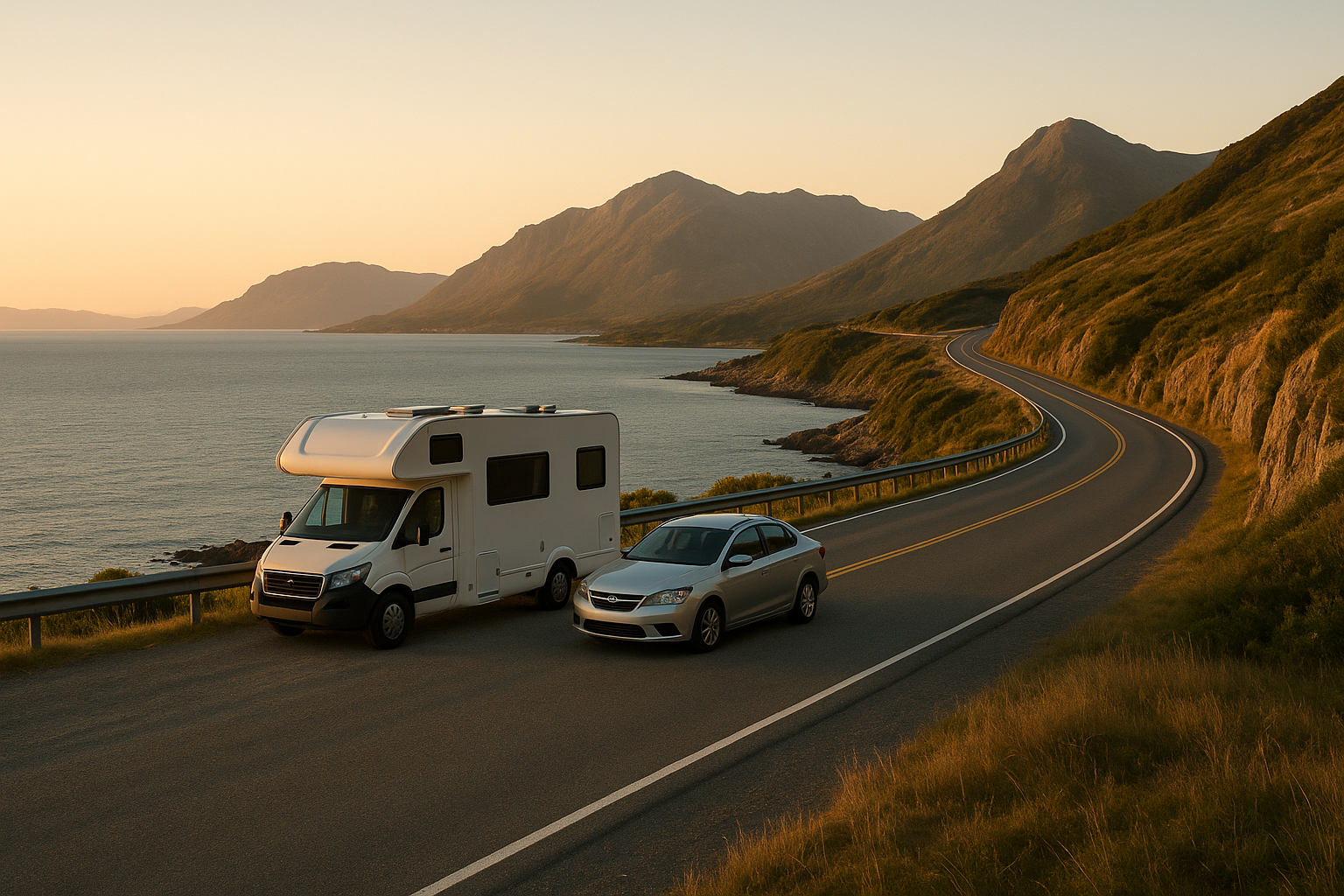
Paraguay is compact on the map but travel times stretch because main highways funnel most traffic through Asunción. Expect multi-hour, full-day coach trips between major towns; buses are the standard intercity option and generally comfortable, while rural routes in the Chaco become dusty tracks better suited to 4x4s. Outside the capital, towns run at a slower, unhurried pace—shops can close midday for a long lunch—and weekend asados gather whole families from surrounding fields.
Eating and the social cup in spring
Food rhythms are practical: lunch is the main sit-down meal and markets brim with mandioca, fresh cheese and seasonal fruit as spring progresses. You will be offered chipa as a morning snack and sopa paraguaya at family tables; both appear everywhere from roadside stalls to bakeries. Tereré, the cold yerba mate served with a shared guampa and bombilla, is everywhere once temperatures climb, and refusing a cup can feel oddly formal.
Everyday manners and useful surprises
Street signs, menus and casual conversation swap between Spanish and Guarani; learning a few Guarani greetings changes how people respond. Cash in guarani is still more convenient than cards outside Asunción, and ATMs are concentrated in towns. Tipping is modest—rounding up or leaving small change is normal—but punctuality for social visits is flexible. Visitors often expect bustle like other big Latin American cities; instead they find a bilingual, pastoral rhythm where language, mate culture and weekend asados shape daily life.
Quick 5
Paraguay
Paraguay
Paraguay
Paraguay
Paraguay
Regions

Travel Requirements
What you need to enter Paraguay, for the passport you hold.
Places of interest
Landscapes in Paraguay
Travel Tips