
Peru
Short description
Coastal fog, high puna and river jungle: the vertical rhythm of Peru
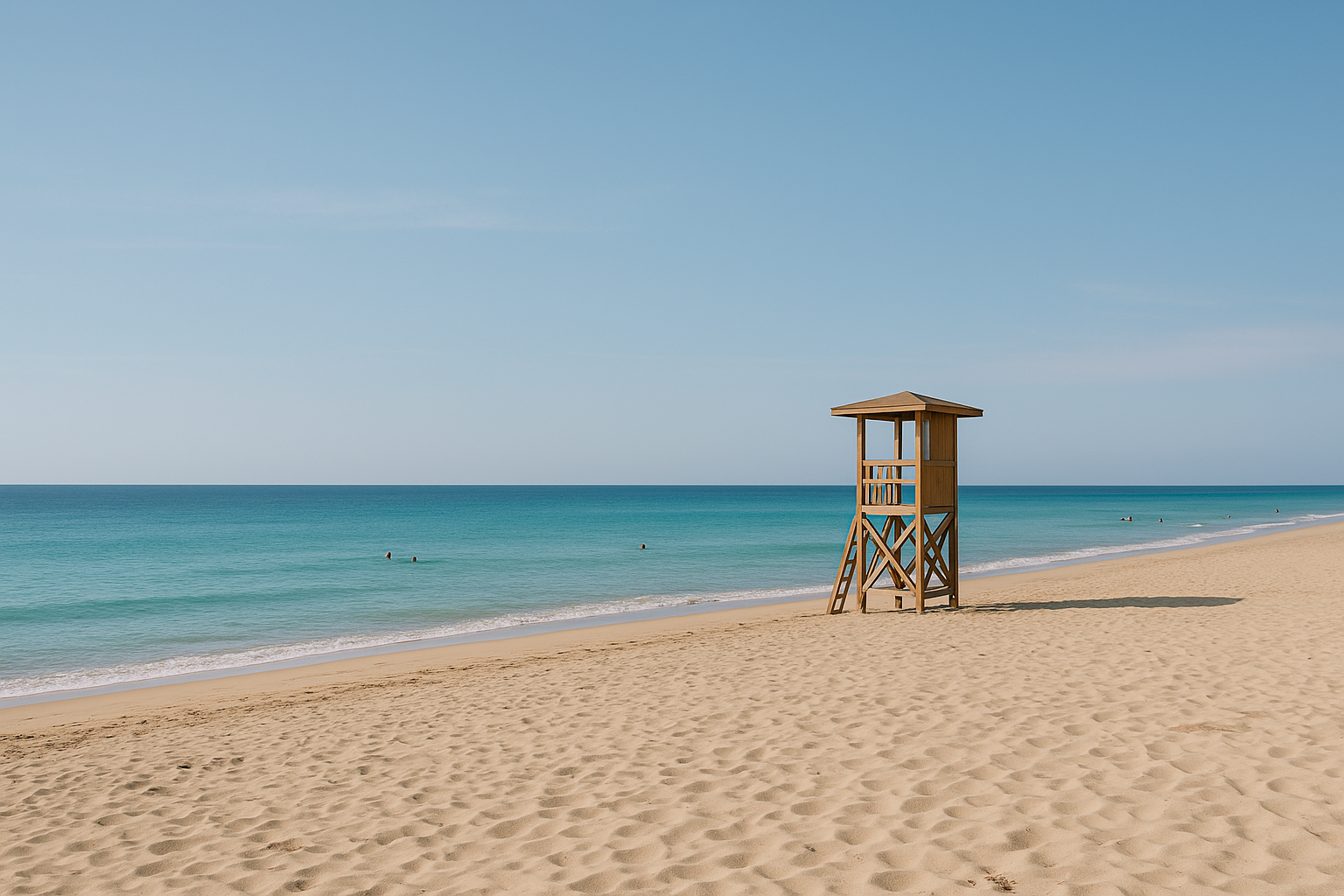
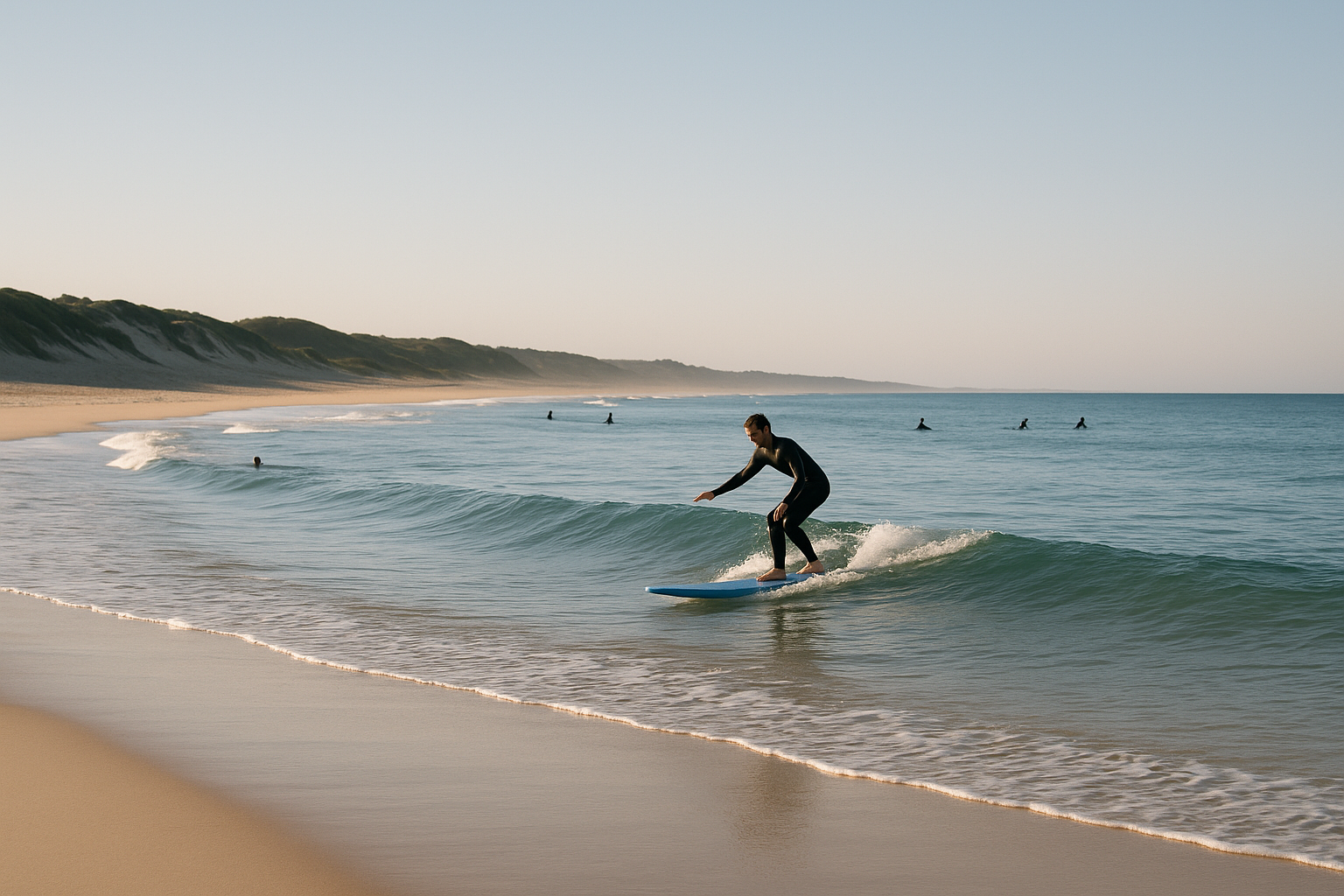
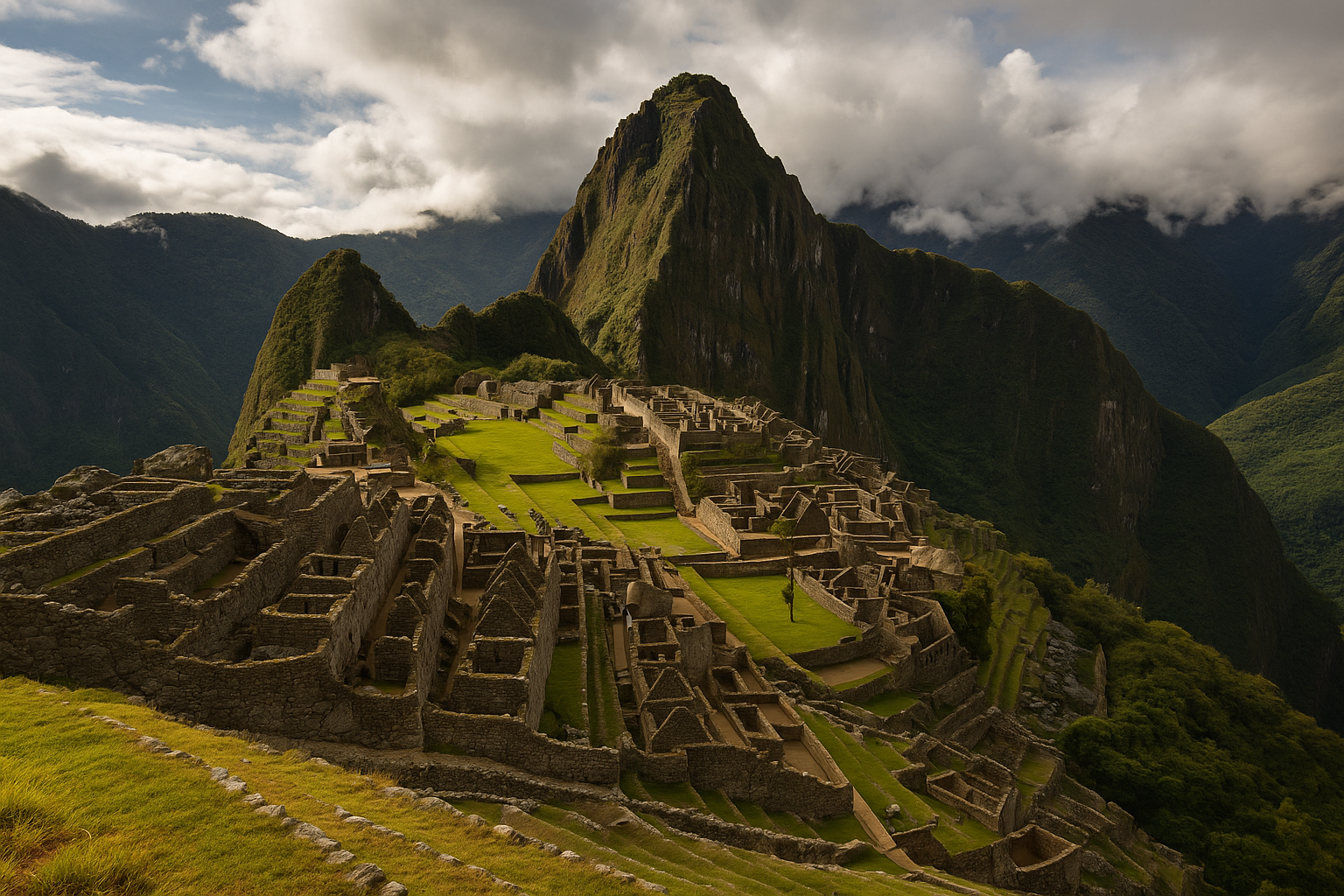
On a single journey here you can leave a fog-softened Pacific shore in the morning and be above 3,000 metres by afternoon; that abrupt vertical shift is how Peru moves. The coast’s thin, salty air, the Andes’ high, dry plateau and the humid Amazon basin sit in short horizontal distances, and that compression shapes travel plans, clothing and how local life is scheduled.
Autumn (September–November) actually does in Peru
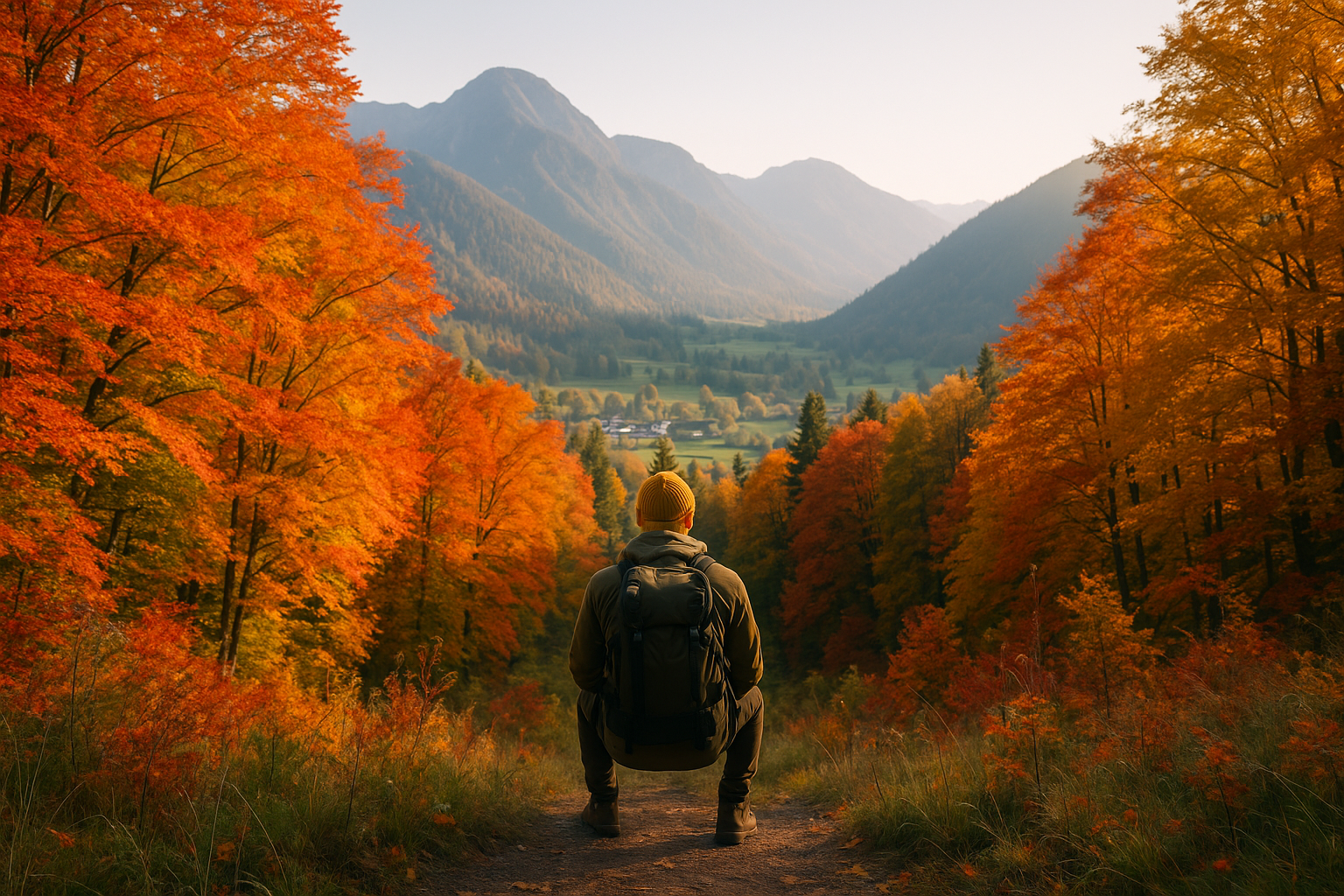
Those months usually mean the coastal garúa (low winter fog) is breaking up—Lima starts to get stronger sun by October—while the highlands are finishing their drier months and opening up clearer views of the mountains. In the Amazon basin humidity and heat creep upward after the relatively drier winter months, so trails get stickier and river levels begin to rise. Festivals tied to planting and spring-time saints appear in towns as people prepare for the summer rains ahead.
Getting around: time and transport you should expect
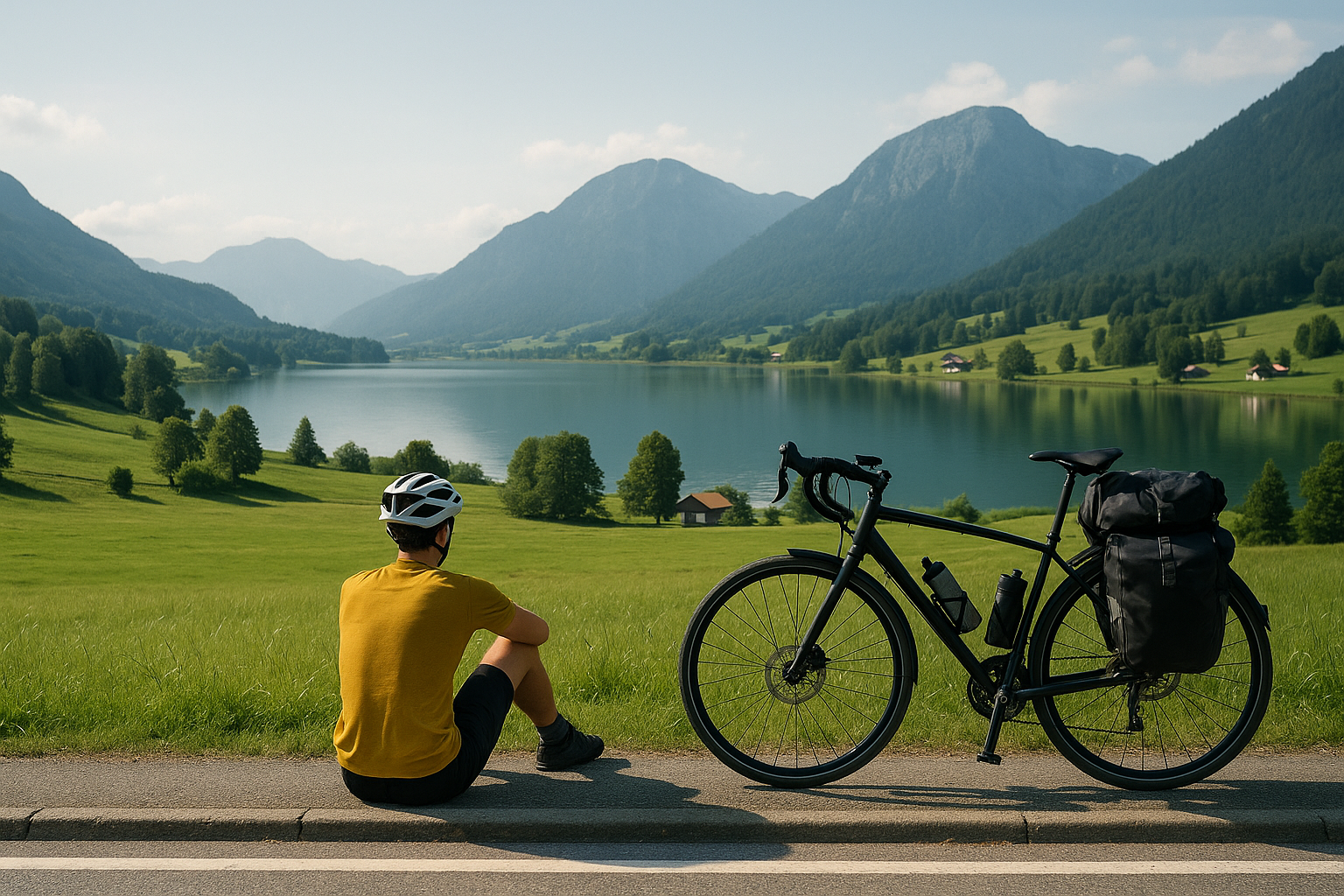
Distances on the map understate how long journeys take because of mountain roads and elevation changes; a 400 km trip in Peru can be a full day if it winds through the sierra. Domestic flights between Lima, Cusco and Iquitos are common and save days; long-distance buses run extensive overnight services along the Panamericana and through the highlands. Card payments are routine in cities, but smaller markets, Andean villages and riverfront communities prefer soles in cash; mobile coverage fades quickly once you leave the main valleys.
How Peruvians live and how you’ll be received
People in cities greet with a brief handshake or a cheek kiss among friends; in the highlands Quechua remains a household language and formal greetings can be longer and ritualised. Lunch is the day’s anchor meal—many restaurants offer a menu del día around midday—and dinner tends to be lighter and later in urban centres. In mountain towns dress is purpose-driven: layered clothes, a windproof outer layer and sensible shoes are normal.
Things visitors routinely misjudge
Visitors often picture Peru as a single climate or a single itinerary; the real surprise is the prominence of altitude and microclimate in everyday travel. Expect clear, sharp light at 3,500 metres, rapid weather changes and that what looks like a short hop on a map may take the better part of a day.
Quick 5
Peru
Peru
Machu Picchu
Peru
Peru
Regions

Travel Requirements
What you need to enter Peru, for the passport you hold.
Places of interest
Landscapes in Peru
Travel Tips