


Saint Lucia
Short description
Rain and rhythm: autumn on Saint Lucia
From September through November Saint Lucia is in the Caribbean’s late wet season, so expect frequent tropical downpours, swollen rivers and a general greening of the slopes around the island’s volcanic peaks. September and October still carry the highest chance of tropical systems; by November the winds usually drop and the island moves toward the drier months. Rain often arrives as heavy, short bursts that leave roads shiny and waterfalls fuller — it alters plans more than moods, and many locals simply delay rather than cancel outdoor life.
Getting around the island in autumn
Driving follows the British rule of the road: keep left. Routes between towns are narrow, with steep ascents toward the interior, so journeys take longer than the map suggests — a 30‑kilometre hop can involve slow, winding sections and local traffic. Shared minibuses and private vans run fixed routes and are mostly cash services; taxis and rental cars are common for reaching beaches and ridge roads. Ferries link to nearby islands on calmer days, but sailings are more likely to be disrupted during autumn squalls, and simple plans benefit from a little extra time.
How people live, speak and observe here
English is official and will get you everywhere, yet Saint Lucian Creole (Kwéyòl) shapes markets, family talk and festival announcements — a few words like ‘mèsi’ (thank you) and ‘bonjou’ open smiles. Religion, especially Roman Catholic observance, structures weekends for many people: Sunday services still influence business hours in smaller towns. Dress is casual but neat; if you enter a church or attend a community event in autumn, lean conservative. Tipping at restaurants is customary when service is not included.
Eating in autumn: what you’ll be offered
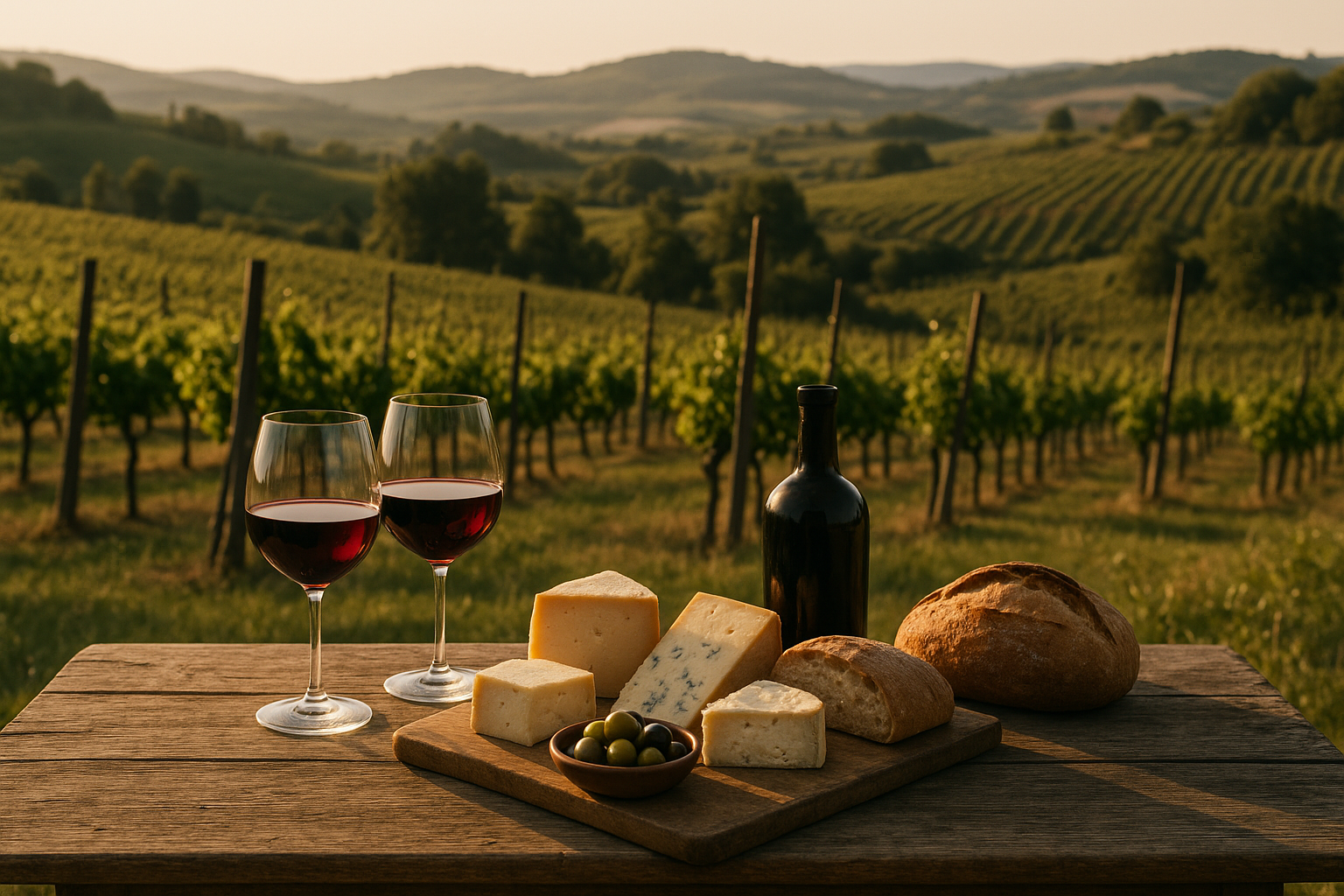
Autumn brings heartier stews and soups into local kitchens as the rains pick up: bouyon and callaloo appear alongside the island’s signature green fig and saltfish. Markets are active after morning harvests, and roadside stalls serve freshly fried fish, plantain and cocoa‑based drinks that locals favour when the air cools suddenly. Sharing a plate at a small eatery is the easiest way to taste how seasonal produce and preserved saltfish shape daily meals.
Quick 5
Saint Lucia
Saint Lucia
Saint Lucia
Saint Lucia
Saint Lucia
Regions

Travel Requirements
What you need to enter Saint Lucia, for the passport you hold.
Places of interest
Landscapes in Saint Lucia
Travel Tips