
Suriname
Short description
How Suriname feels on the street
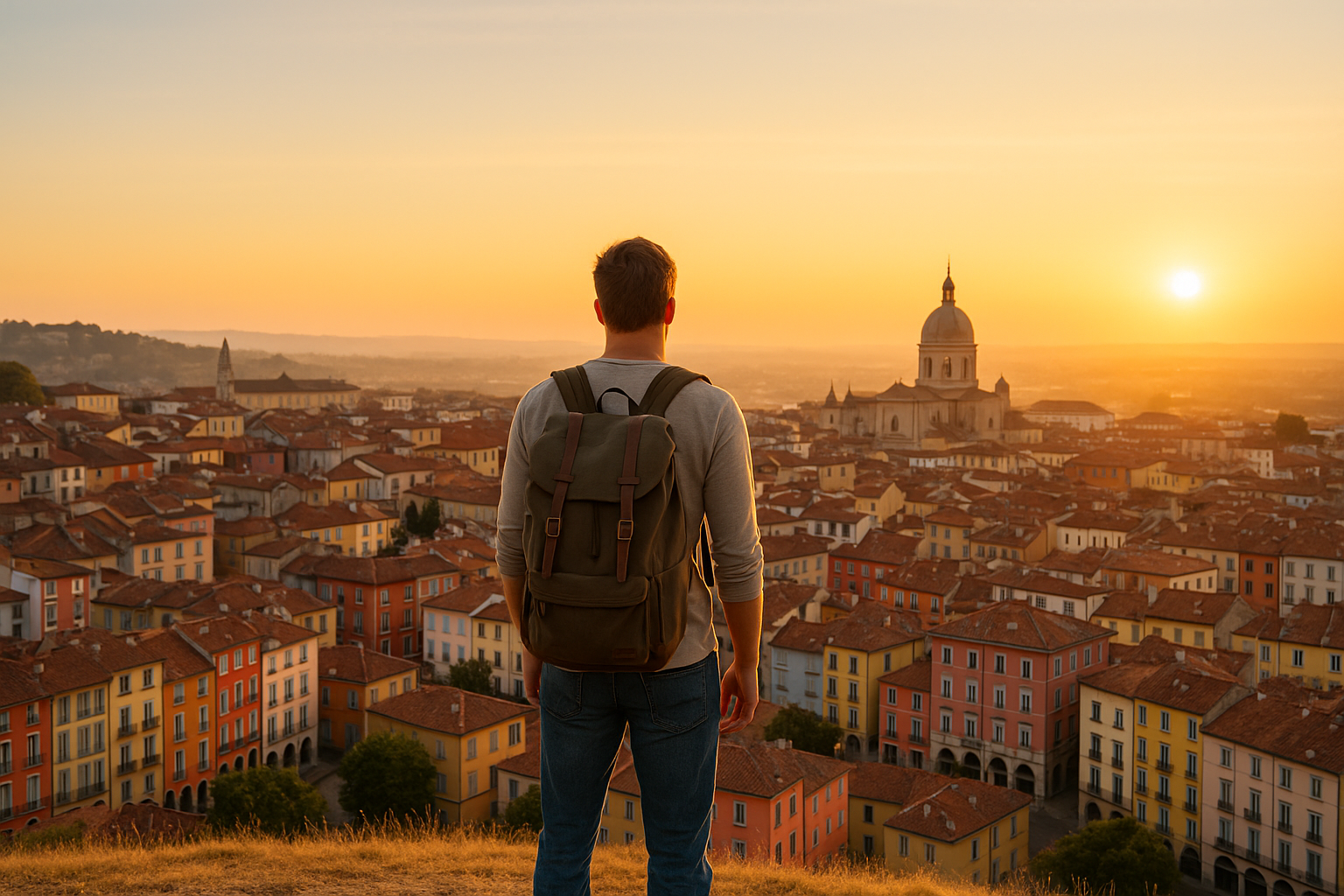
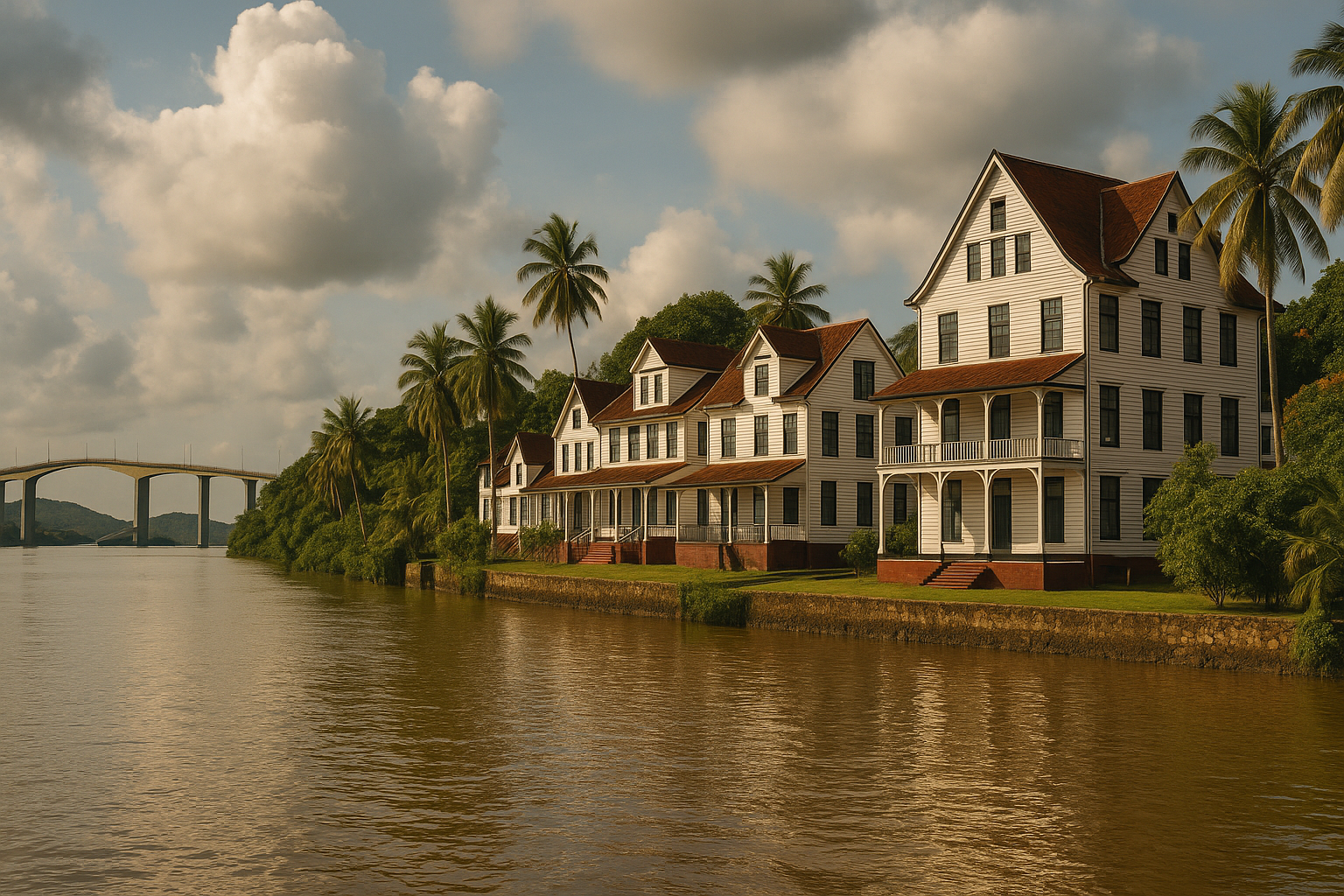
Walk down the riverside in Paramaribo and the first thing people notice is the scale: a small national population, about 591 thousand, folded into a capital where wooden Dutch-colonial facades stand cheek by jowl with Hindu temples and Chinese shopfronts. The pace in the city is unhurried; public life spills into markets and cafés, and you will hear Dutch, Sranan Tongo, Hindi and Javanese in a single block. Outside the coastal belt the rhythm changes — villages and river settlements move at the timetable of boats and tides rather than buses.
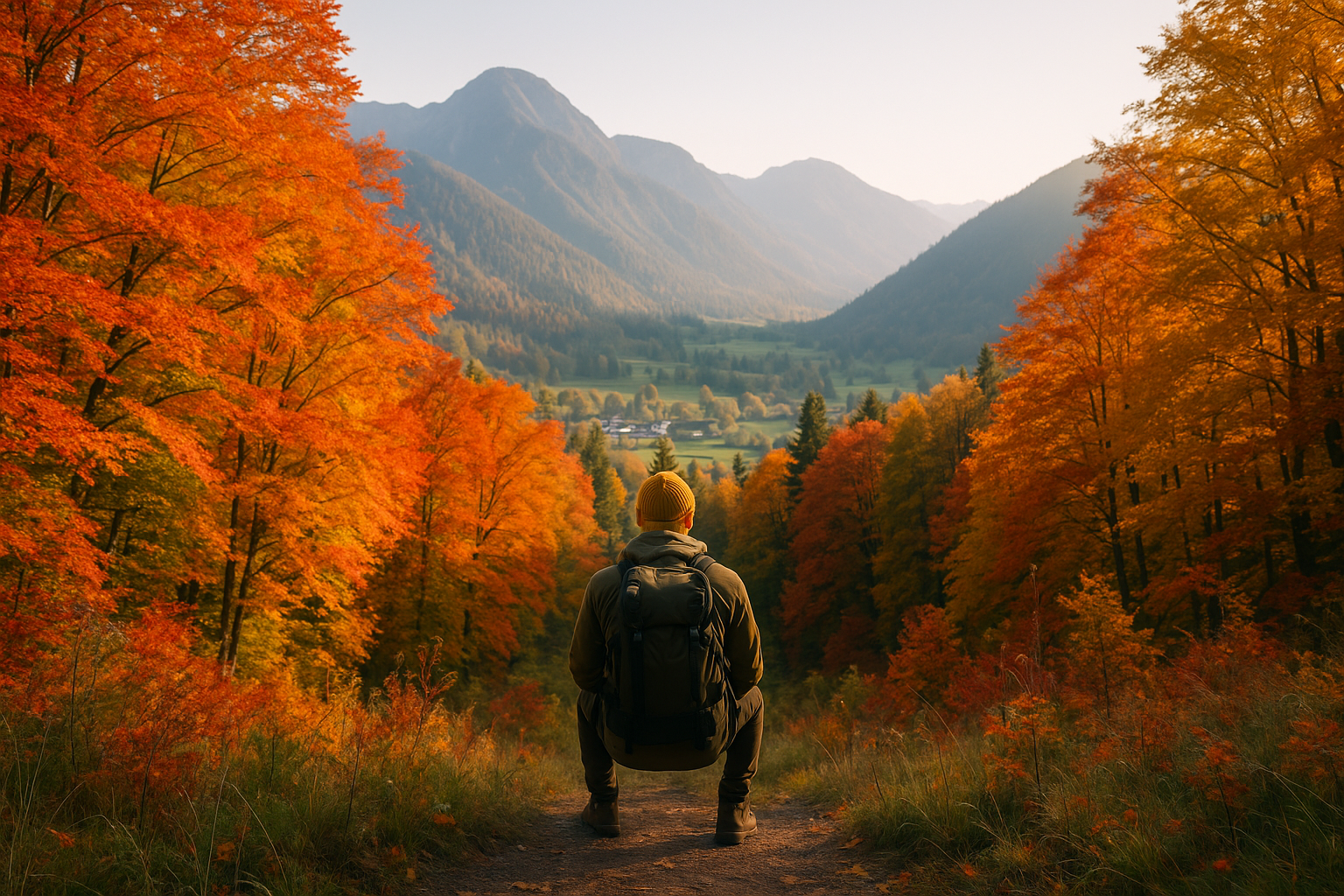
Autumn in Suriname (September–November)
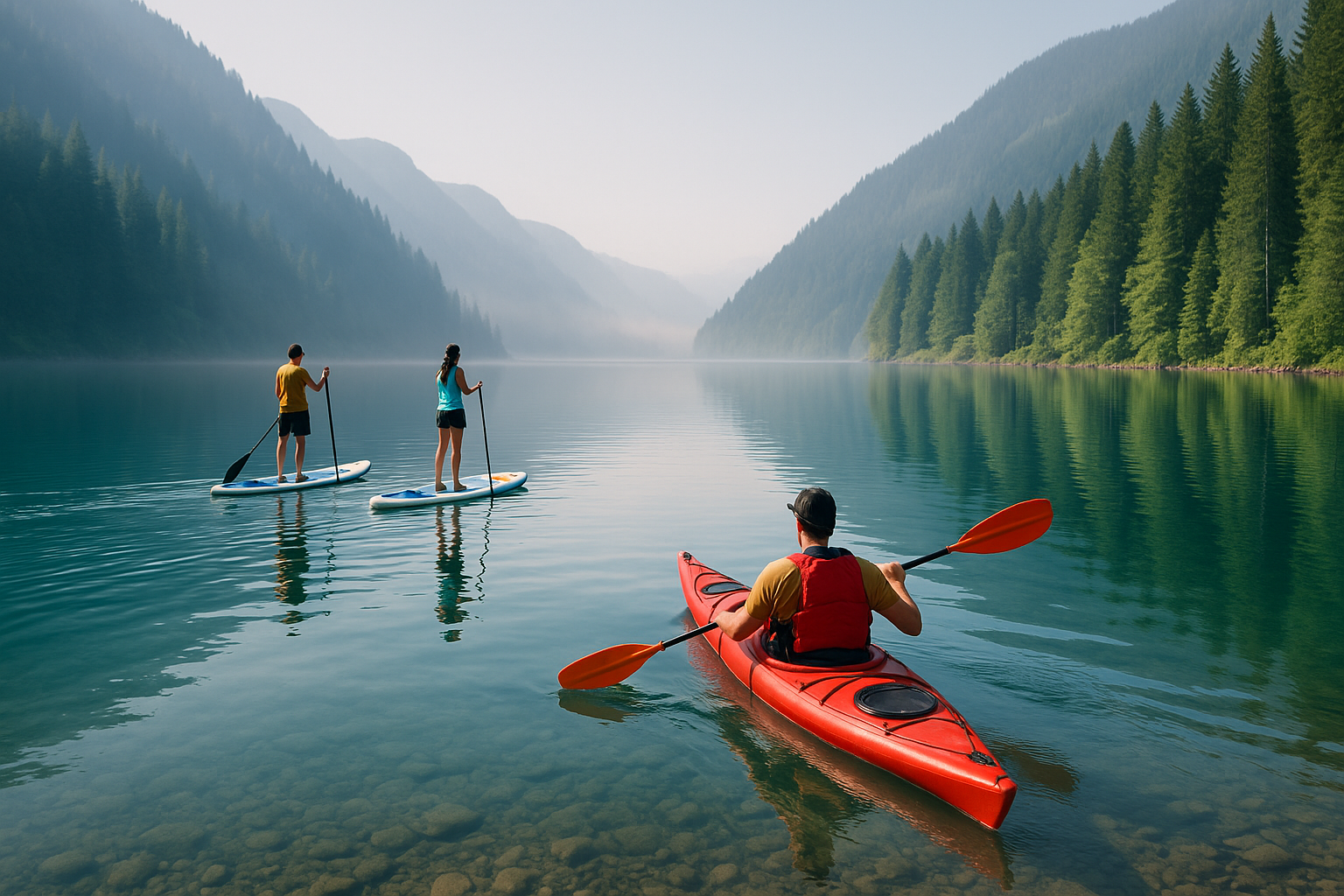
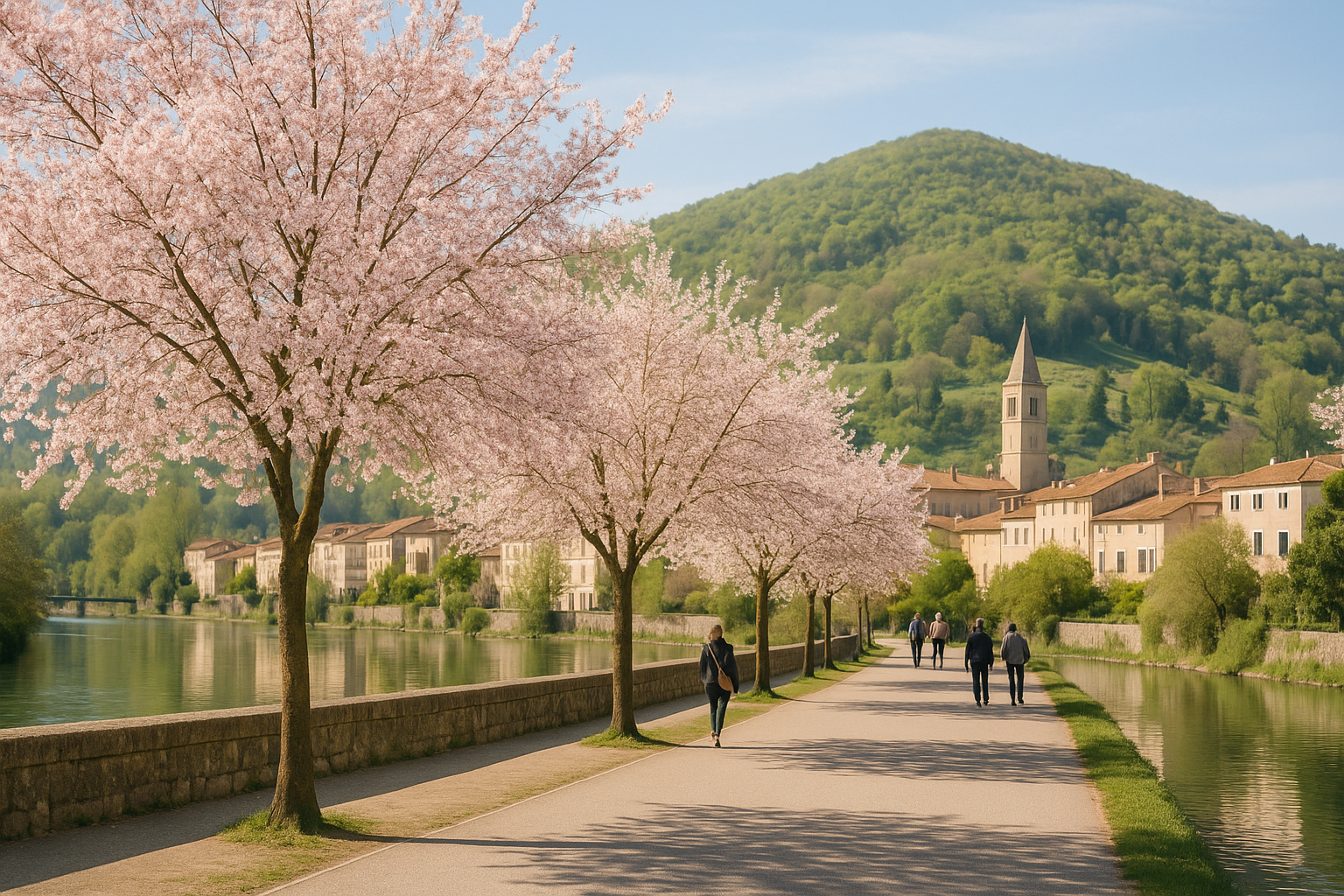
September to November sits between Suriname’s heavier rain periods, which means river levels are often lower at the start of autumn and travel upriver is easier; by late November showers start to become more frequent. For wildlife watching and jungle lodges this window usually brings more exposed trails and clearer riverbanks; for coastal towns it is a time when markets and festivals still run as usual before the wetter months return.
Getting around Suriname in practice
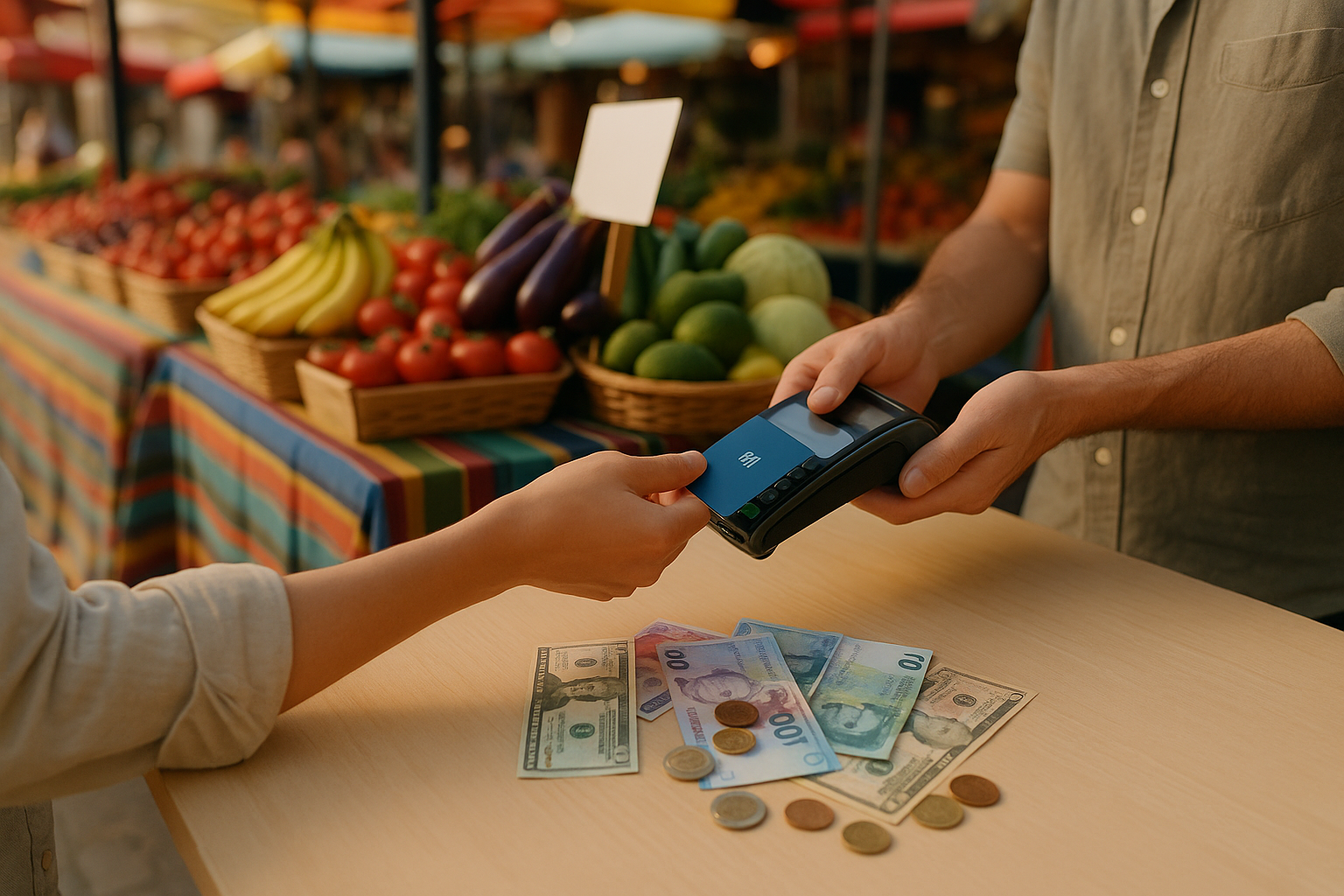
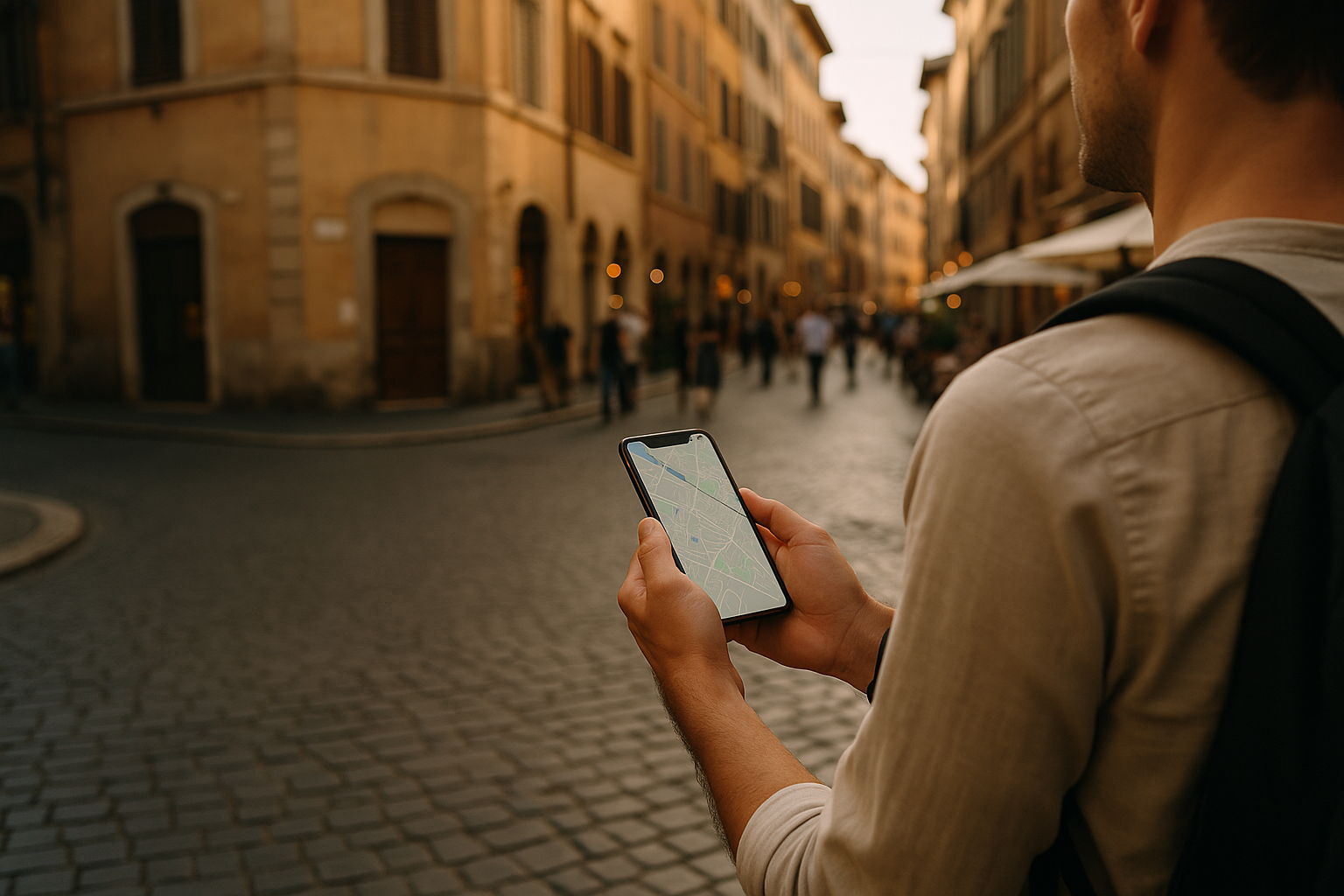
Distances can be deceptive: the country is geographically large but sparsely populated, so expect journeys from Paramaribo to interior lodges to be measured in hours and often to require a boat or light-air transfer. In the capital taxis and minibuses are common; expect cards to work in hotels and larger restaurants but carry East Caribbean Dollar (XCD) cash for markets, river transport and small shops. Dutch will serve you everywhere; a few words of Sranan Tongo open doors in smaller communities.
Eating and everyday manners in Suriname
Food routines reflect the country’s mix of peoples: Pom appears at family gatherings, saoto in Javanese-Surinamese eateries, and roti at Indo-Surinamese tables. Meals are social and often shared; street stalls and night markets are where locals eat after work. Dress in Paramaribo is relaxed; in religious buildings and some rural villages modest clothing is customary and a quiet request to remove shoes may follow.
What first-time visitors usually get wrong about Suriname
Many arrive expecting only jungle and realise quickly that Suriname’s identity lives equally in its multi-ethnic city streets, colonial wooden architecture and riverside neighbourhoods. The country’s small population makes services different from busier tourist countries: fewer daily connections to remote spots, but more direct, personal encounters when you do travel outside Paramaribo.
Quick 5
Suriname
Suriname
Suriname
Suriname
Suriname
Regions

Travel Requirements
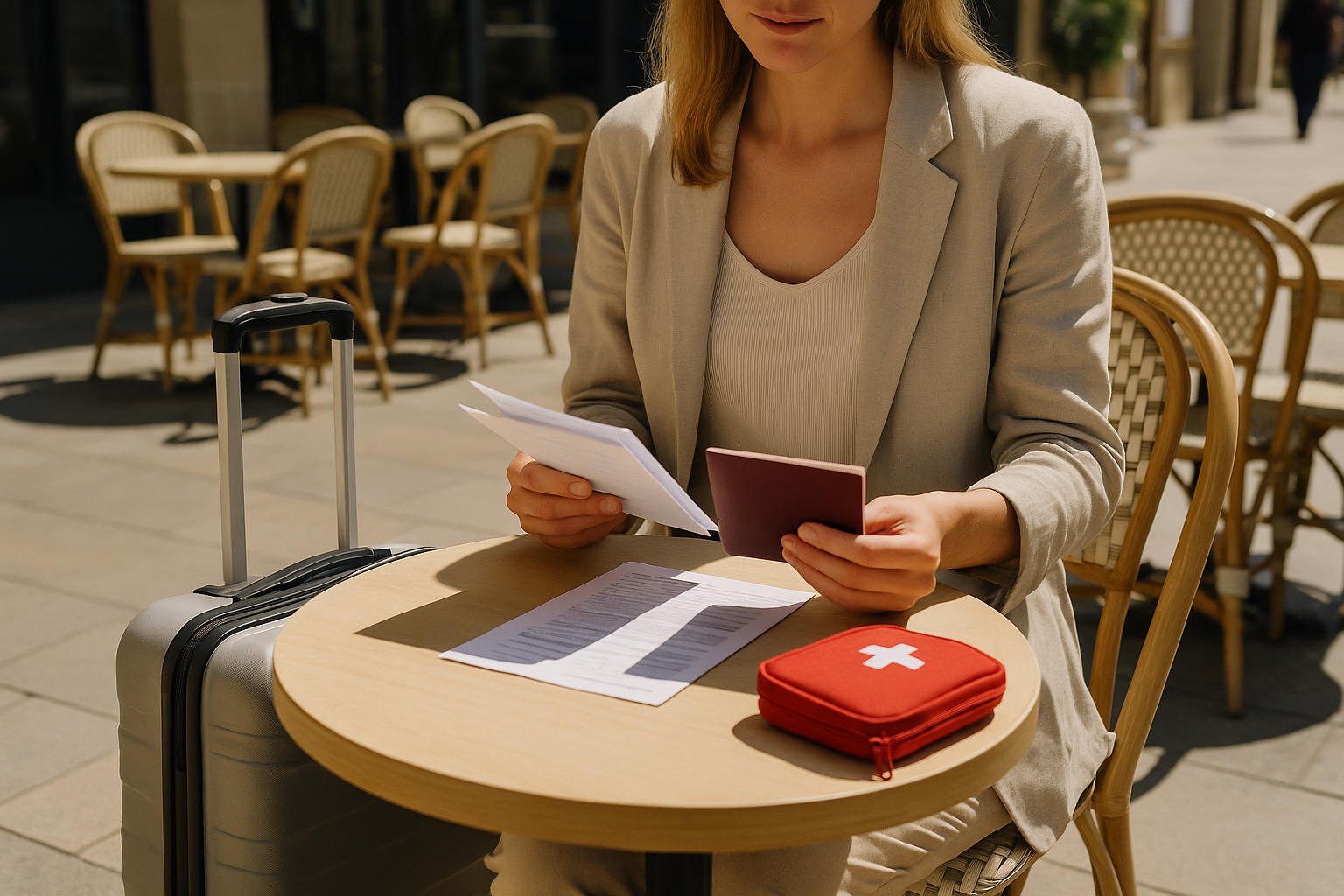
What you need to enter Suriname, for the passport you hold.
Places of interest
Landscapes in Suriname
Travel Tips