
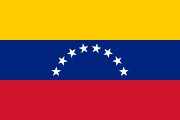
Venezuela
Short description
Rain-swollen rivers and short, bright days in Venezuela
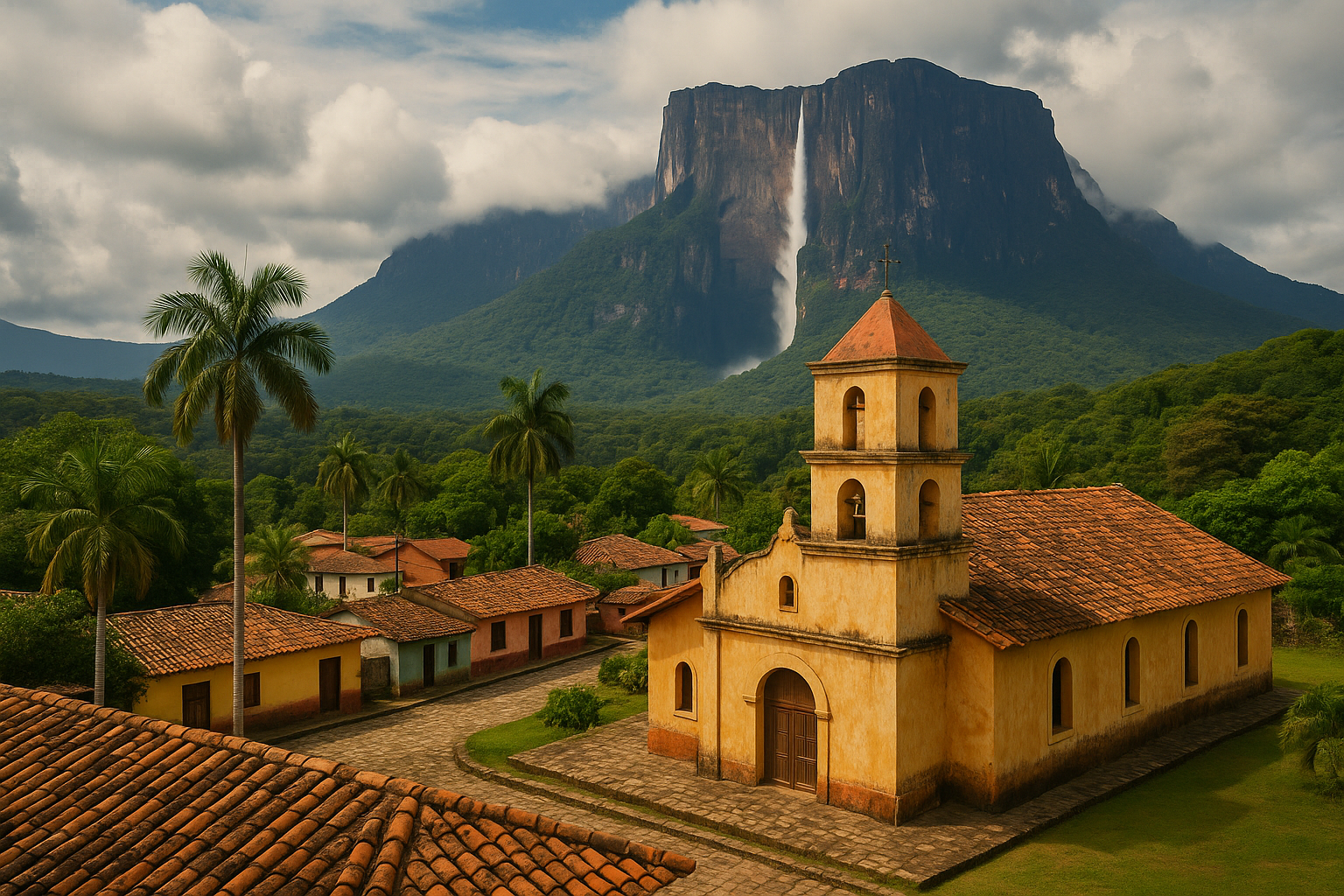
From September through November Venezuela is still in its wet season: the heavy rains that build through the Caribbean-facing mountains keep waterfalls and lowland rivers running high, and afternoons often close with a sudden downpour rather than a long, steady drizzle. That pattern is most obvious around the interior plateaus and the Guayana highlands, where trails turn muddy fast and boat travel becomes the practical way to reach many communities.
How travel actually works in rainy months
Expect slower journeys: a short hop on a map can become a half-day trip when unpaved roads are soft, and some rural crossings switch to boat-only. Domestic flights tie the main cities together but services are concentrated on the Caracas–Maracaibo–Mérida/Andes corridors; in smaller towns the only public options are busetas or shared taxis known locally as "por puesto." Carrying small cash in bolívares helps on buses and at markets, while card machines work more reliably in hotels and bigger restaurants in Caracas or Maracaibo.
Daily manners and what Venezuelans do in autumn
People greet with a handshake or a single kiss on the cheek among friends, and Spanish is the working language almost everywhere — learning a few phrases like ¿cuánto cuesta? and gracias goes further than a phrasebook. Mealtimes stay anchored around a hearty midday lunch; many restaurants add a 10% service charge on the bill, so check before leaving a tip. Lightweight, quick-drying clothes are practical for sudden showers, and you’ll find mornings in the Andean towns noticeably cooler than the coastal plain.
Autumn tastes and the start of Christmas cooking
Autumn is when you begin to see preparations for the December holidays: from late October into November households and markets start assembling ingredients for hallacas and buying plantain leaves, and regional coffee harvests in the western Andes give cafés a new crop to roast. Street arepas and a plate of pabellón criollo remain everyday options; vendors sell them through rain and shine, often under tarpaulins set up for the season.
Quick 5
Venezuela
Venezuela
Venezuela
Venezuela
Venezuela
Regions
Travel Requirements
What you need to enter Venezuela, for the passport you hold.
Places of interest
Landscapes in Venezuela
Travel Tips