
Afghanistan
Short description
October winds and the Hindu Kush: autumn's first edits to Afghanistan
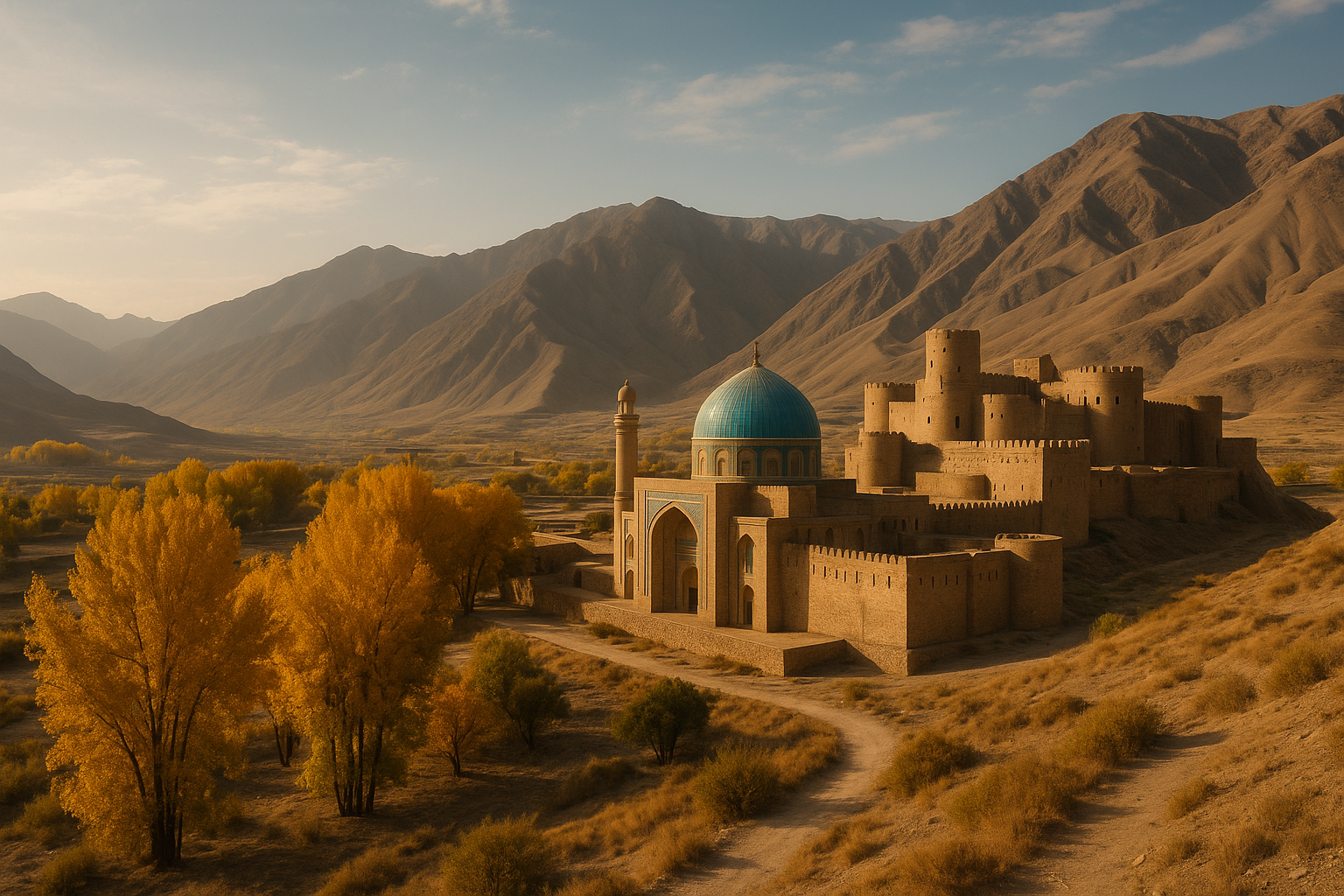
Wind scours the high passes above the Hindu Kush in October and traders begin to close the loftier routes as the first snows arrive; by November the high valleys are already signaling winter. In the same weeks Kandahar’s pomegranate markets bulge and Herat’s saffron harvest moves through village courtyards, so the countryside shifts from summer labour into a pulse of harvesting and market traffic. Lowland evenings cool quickly, turning daytime dust into crisp air that changes how people travel and work.
What autumn actually rearranges in Afghan daily life
September to November sets the agricultural calendar: wheat fields are cut in the north, orchards drop fruit in the south, and Kuchi shepherds head toward lower pastures for the colder months. Mosques’ loudspeakers mark the rhythm of the day more noticeably as people gather indoors when nights lengthen, and bazaars stay busiest in the late morning and late afternoon when light is warmer and roads are passable.
Getting from A to B in fall — the practical pace
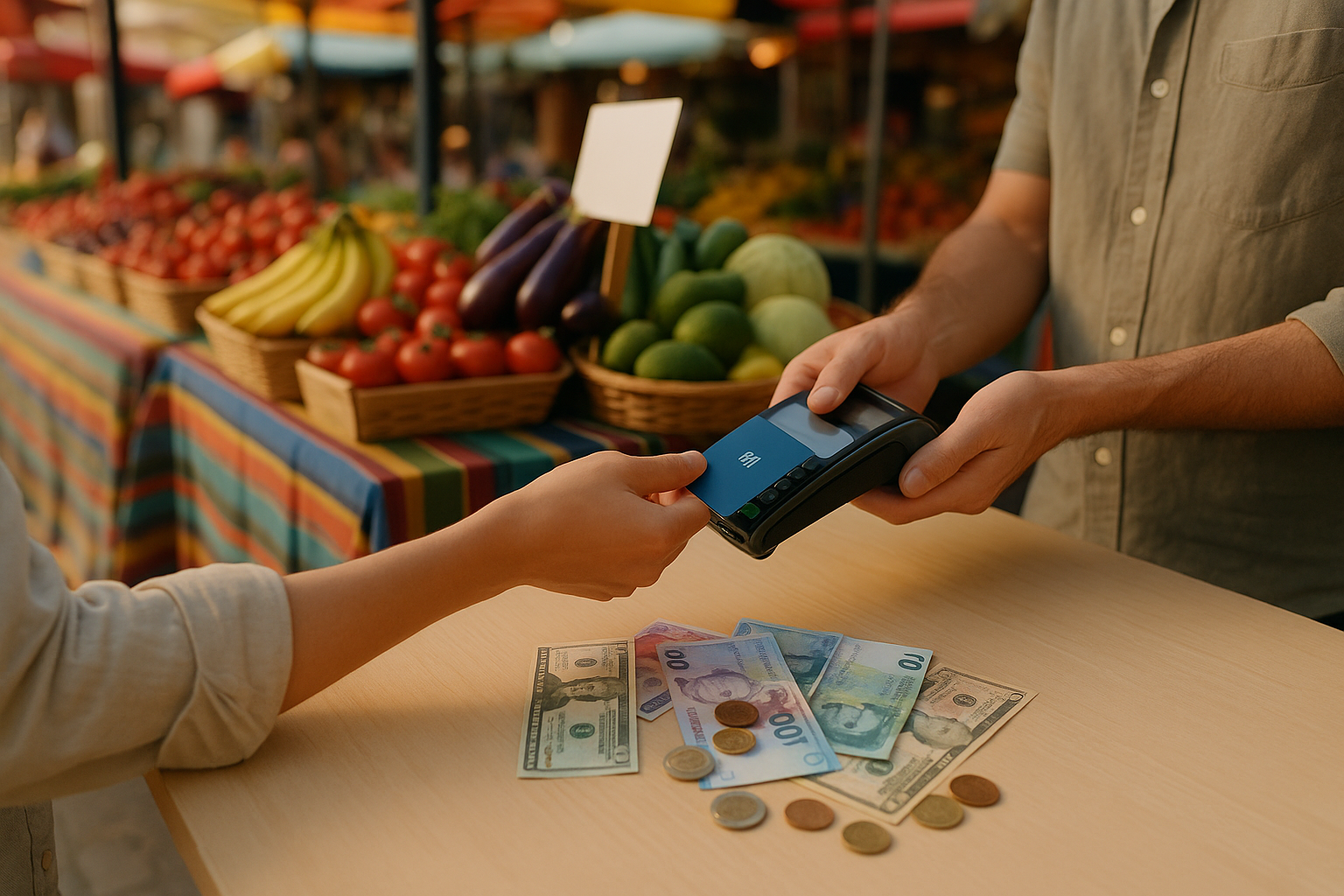
Distances look short on a map but mountain passes and road conditions make journeys take longer; the Ring Road links the main cities, yet sections outside provincial centres are rough and slow, especially after autumn storms. Domestic flights operate between Kabul and a few regional hubs, but many travellers rely on shared taxis and minivans; cash in Afghan afghani is the working currency almost everywhere and card acceptance is largely limited to big hotels in Kabul. Mobile coverage works well in cities and along main highways but thins in the high valleys.
How people behave at home and what you’ll be offered
Greet with salaam and use the right hand for passing things or sharing food; many men will wait to see if a woman offers a handshake. Tea is the constant social lubricant — expect repeated offers of chai with sugar, dried fruit or roasted nuts, and in many homes a small portion of kabuli pilaf or mantu will follow. Dress conservatively in smaller towns: loose clothing and covered shoulders are the default, and visible signs of observance increase as you move away from Kabul’s neighbourhoods. What surprises visitors is how this mix of bustling bazaars, careful dress codes and seasonal harvests creates a practical, everyday tempo that feels unlike the headlines.
Quick 5
Afghanistan
Afghanistan
Afghanistan
Afghanistan
Afghanistan
Regions

Travel Requirements
What you need to enter Afghanistan, for the passport you hold.
Places of interest
Landscapes in Afghanistan
Travel Tips