

Armenia
Short description
Yerevan's pink stone and Armenia's scale
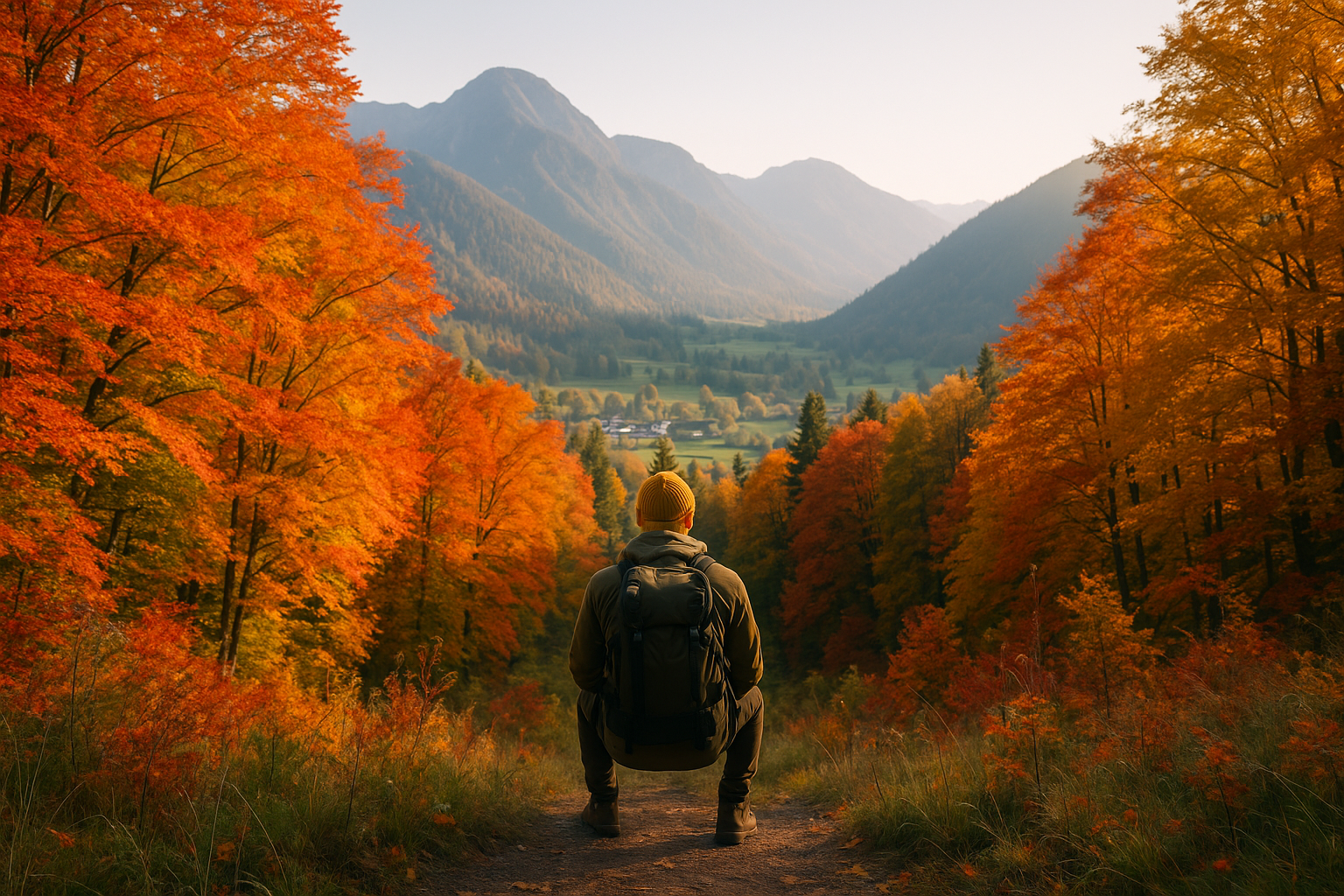
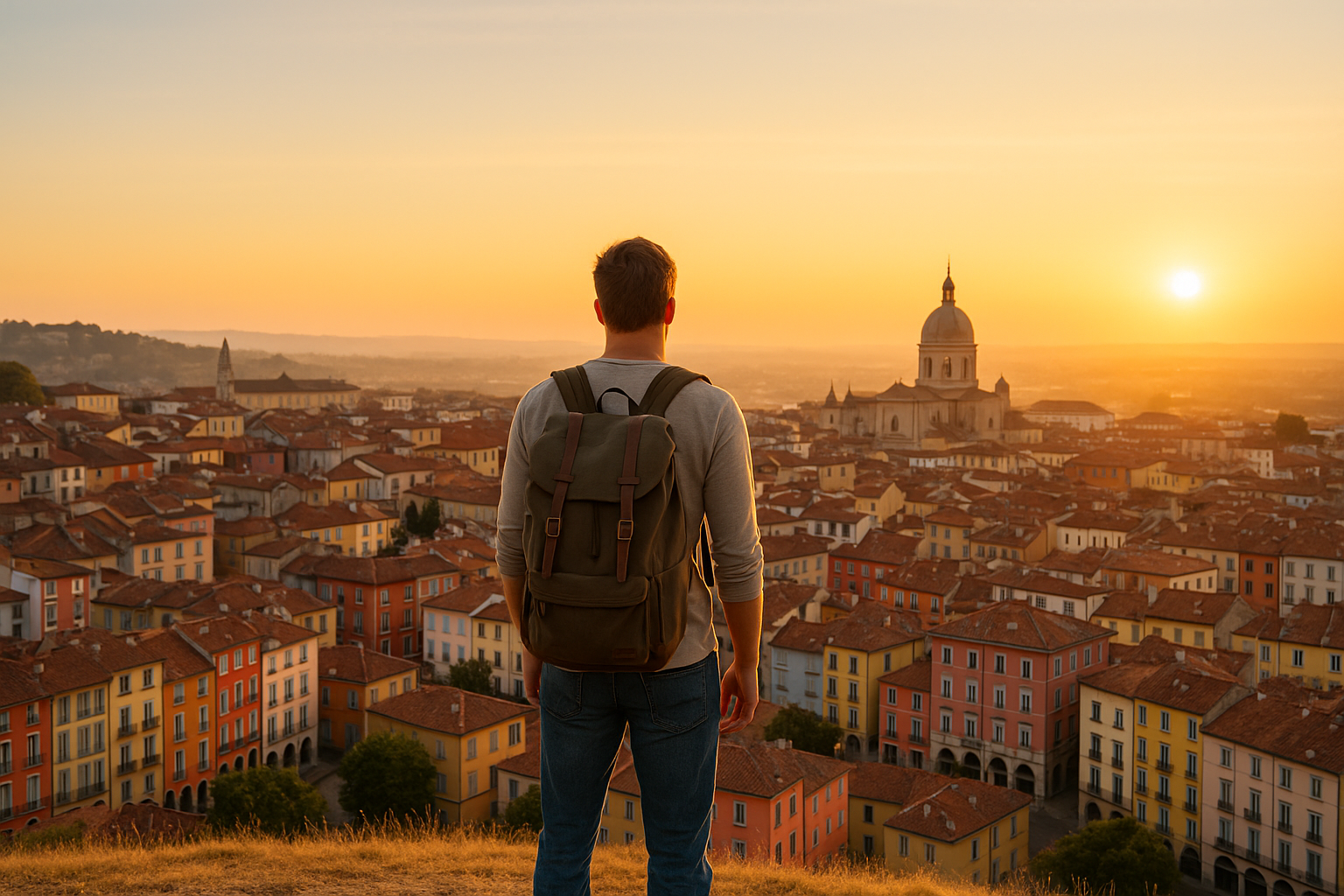
The first thing you notice in autumn is how Yerevan's pink tufa softens under low golden light and how that same light cuts across steep, agricultural valleys a few hours outside the city. Distances look small on a map but the mountains make journeys slower than expected; a 100 km drive can take twice the time if it climbs through hairpin roads. Villages sit on terraces carved into volcanic slopes, and in September–November those terraces trade the summer heat for chilly mornings and long, clear evenings.
What autumn does in Armenia
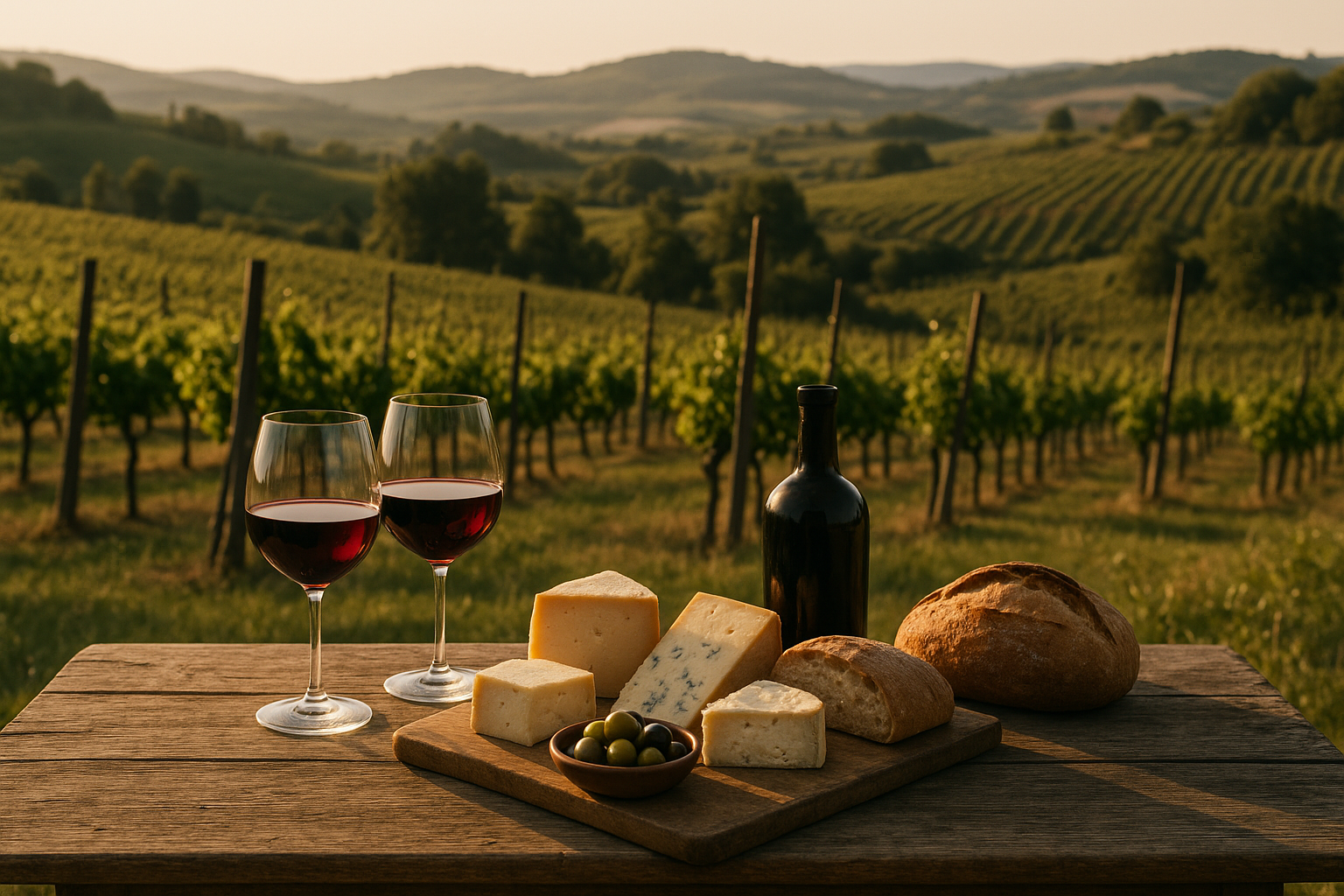
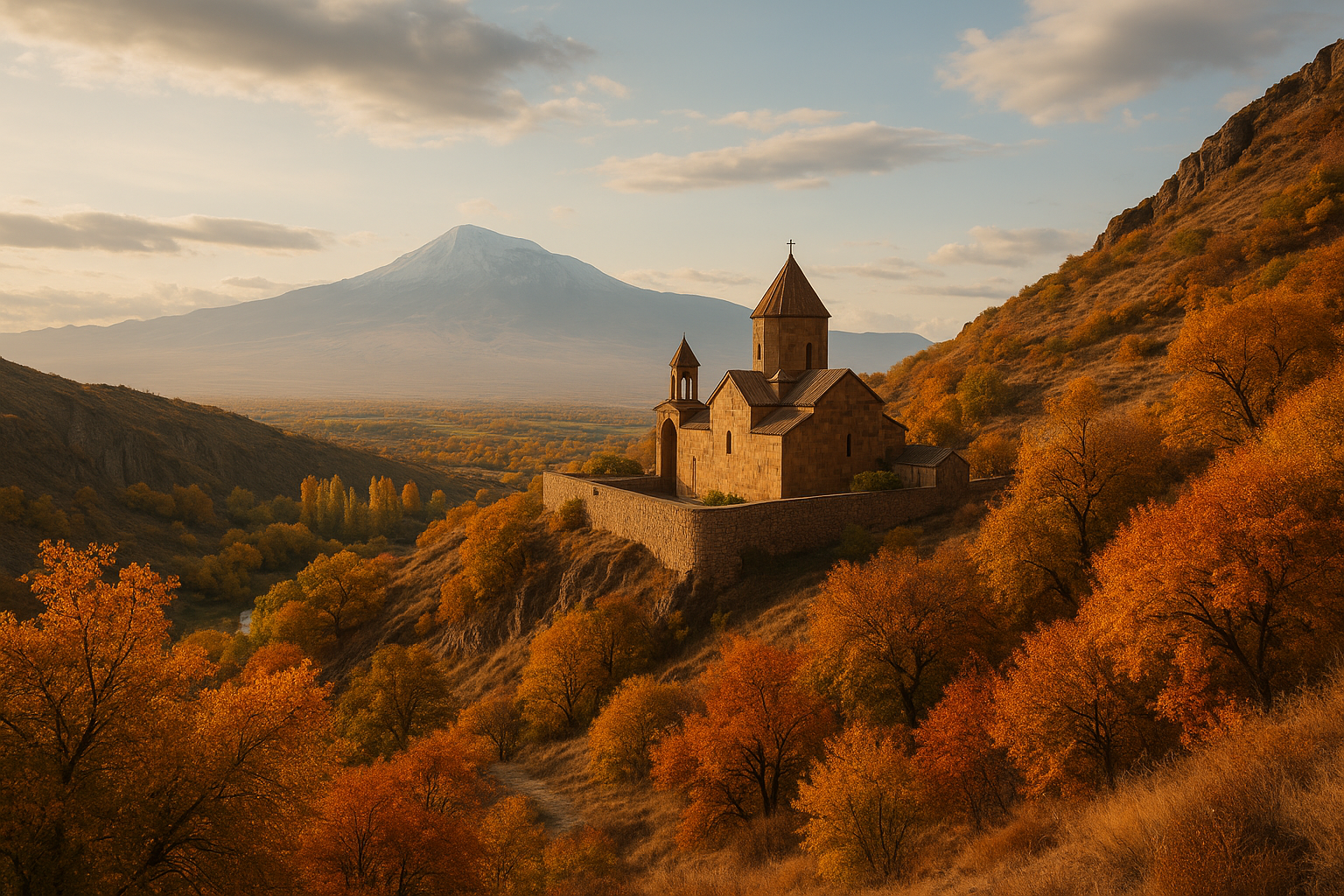
Autumn is harvest season: vineyards in Vayots Dzor and the Areni region come alive in September with grape-picking, and markets fill with quince, pomegranates and late apricots. By October the higher peaks around Mount Ararat and Aragats pick up the first snows while the capital still has long daylight for cafés and street life. Many Armenians take short countryside trips to smoke and air out summer houses before winter; some guesthouses close as the cold sets in.
Getting around and the small practicals
Intercity travel mixes Soviet-era minibuses (marshrutkas), regional buses and private taxis; marshrutkas leave when full rather than to a timetable, and drivers often cram luggage onto roof racks. Cards work in Yerevan and large towns, but bring Armenian dram for rural markets and teahouses. Mobile signal is reliable in valleys and towns but can drop on mountain passes; a few Russian words are useful, and you will find younger people in the capital speak some English.
Tables, toasts and everyday manners
Food is how relationships are shown: expect repeated offers of tea, bread or a piece of khorovats, and toasts that can stretch the evening — refusing too bluntly can be taken personally. Churches of the Armenian Apostolic tradition remain visible in daily life, so dress modestly for services and step quietly. When invited to a home, bringing sweets, fruit or a small bottle of Armenian brandy is appreciated; handshake strangers, kiss cheeks with friends, and follow the host’s lead at the table.
Quick 5
Armenia
Armenia
Armenia
Armenia
Armenia
Regions

Travel Requirements
What you need to enter Armenia, for the passport you hold.
Places of interest
Landscapes in Armenia
Travel Tips