
Bhutan
Short description
People wear their national dress on the street here, every day and especially in autumn
You will notice men in gho and women in kira moving between dzongs and markets across Bhutan as the valleys fill with festival crowds from September to November.
How autumn reshapes life and travel in Bhutan
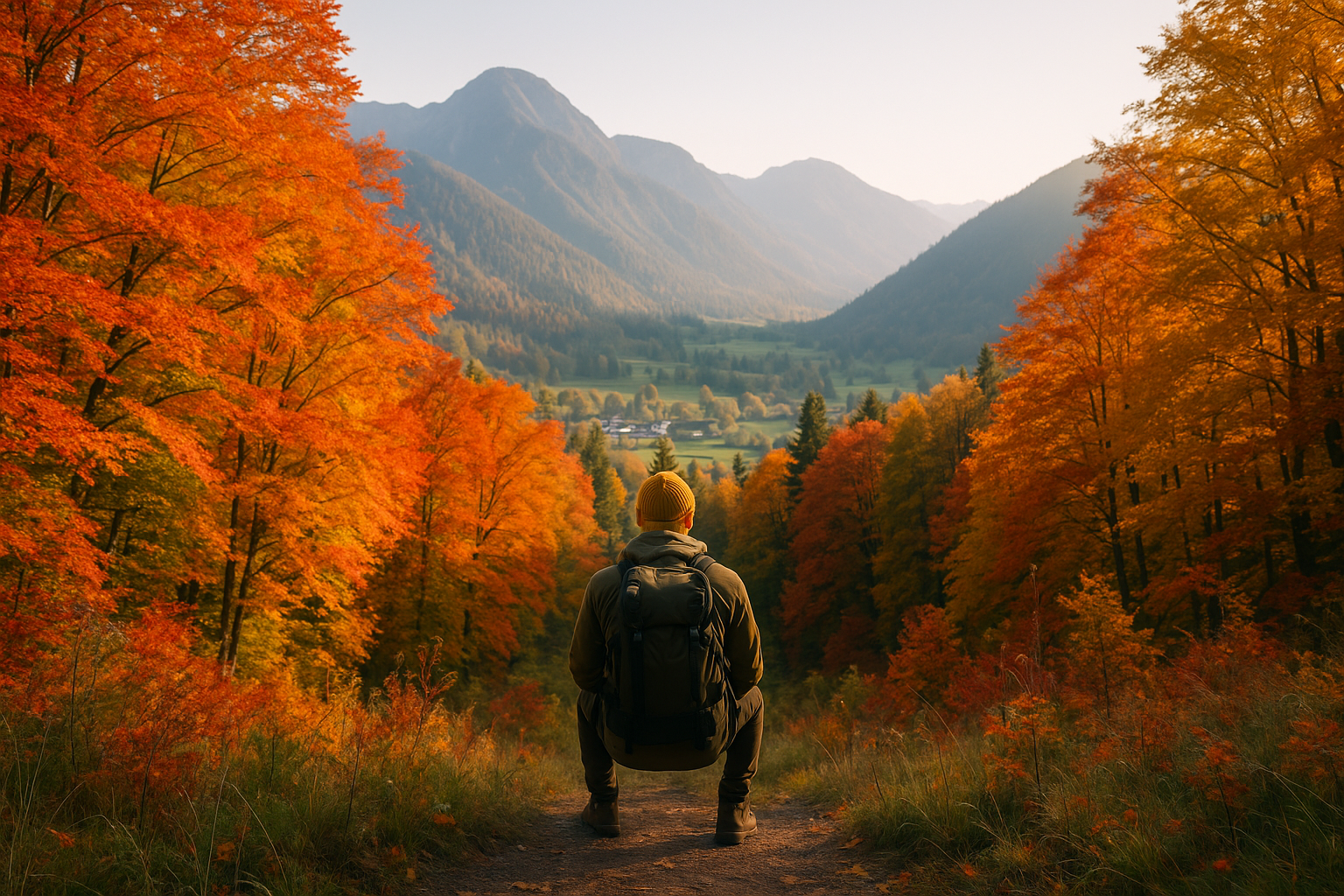
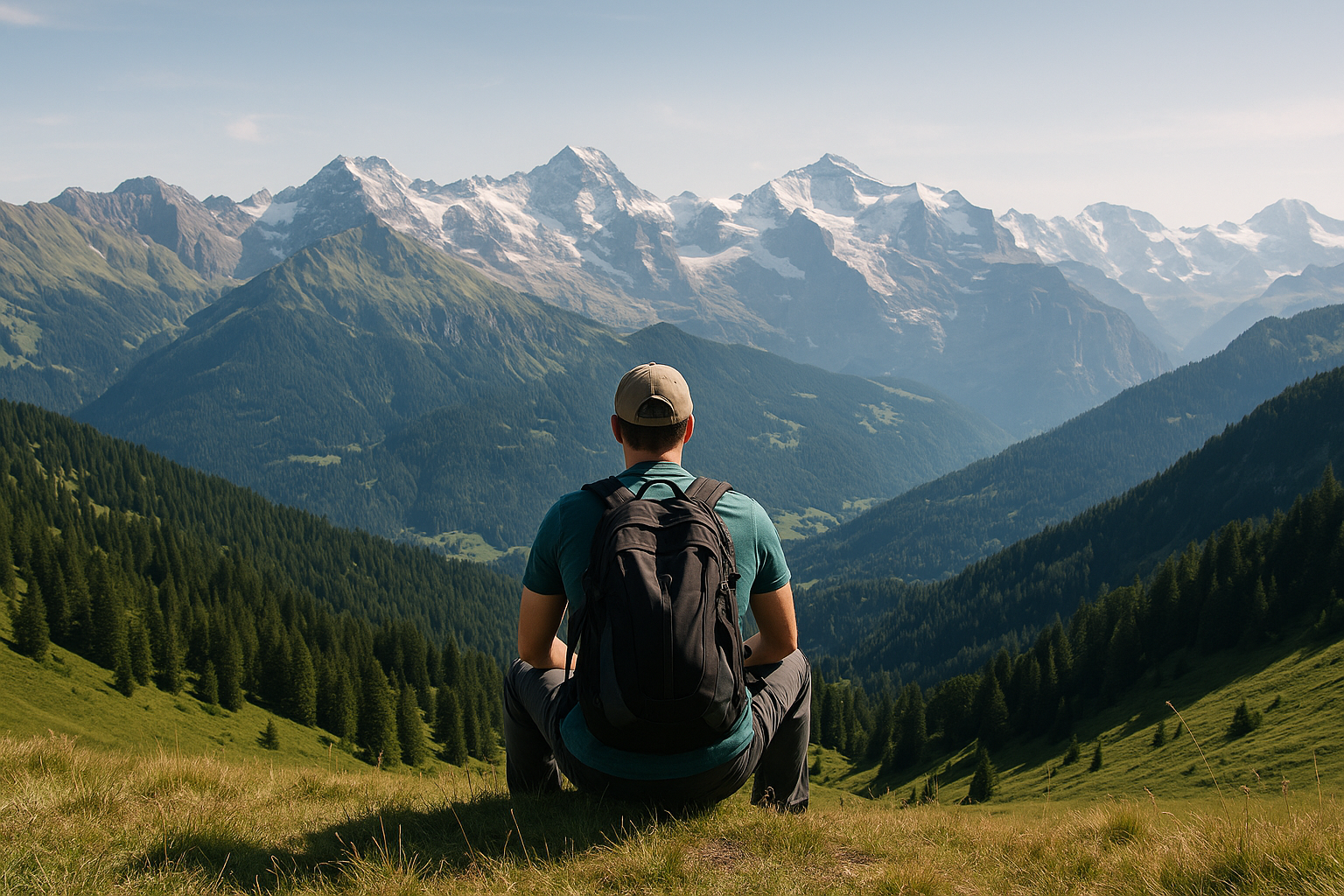
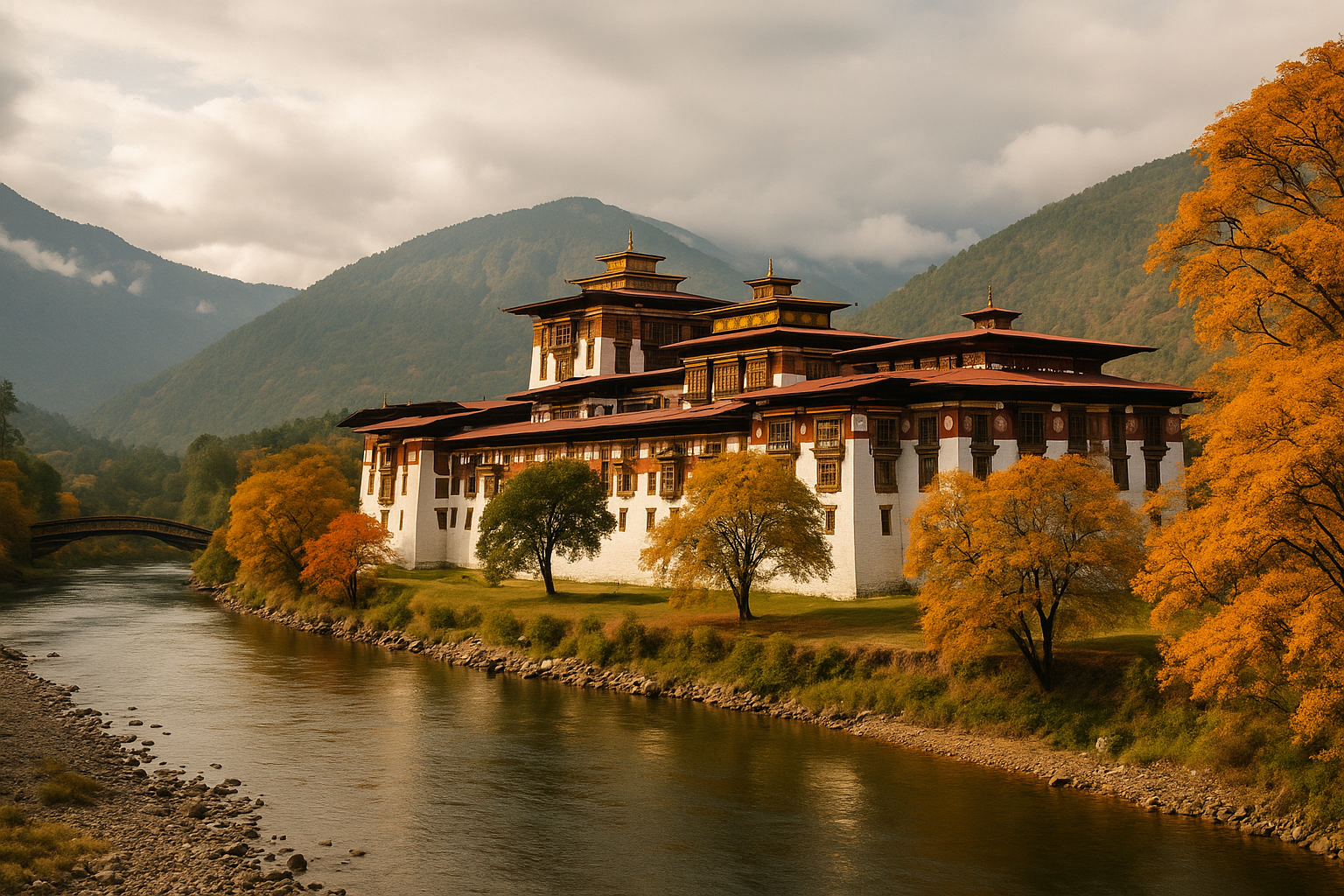
Autumn follows the summer monsoon by clearing the mountain haze: daytime views of the Himalaya sharpen, rice terraces and forested ridges dry out, and high passes begin to show the season’s first snows. Many districts schedule their tsechus at this time, so weekends bring colourful masked dances, processions and an influx of pilgrims to valley towns.
Getting around feels slower than the map suggests
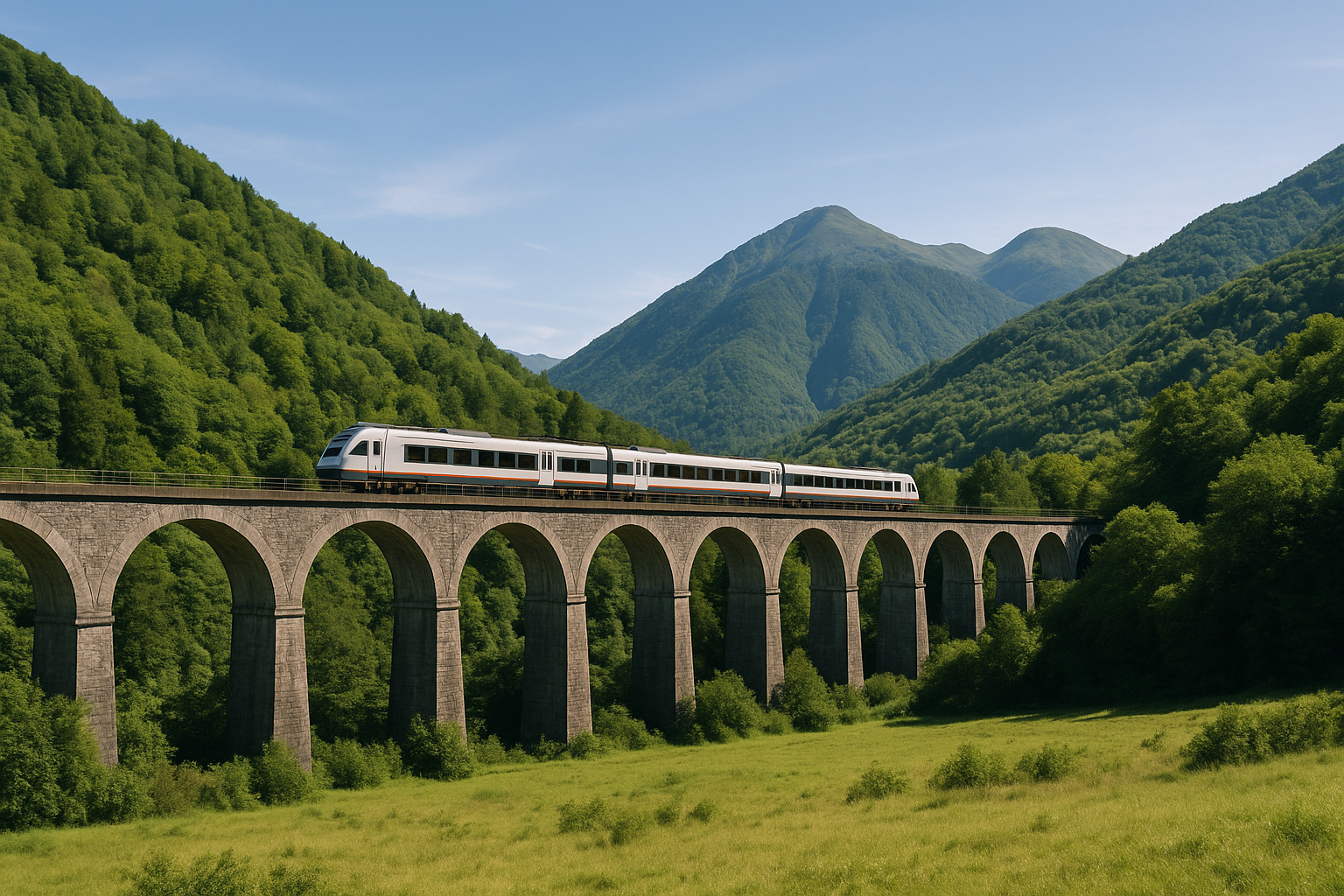
Distances are short on paper but slow on the road; a 100-kilometre drive often takes several hours on narrow, winding mountain highways. Paro remains the international gateway and autumn’s calmer weather makes flights more reliable, but once you leave the main valleys expect hairpin turns, occasional roadworks and long waits at mountain passes. Cash in ngultrum still moves most transactions in smaller towns; larger hotels and shops in Thimphu and Paro accept cards, and basic English gets you by in guesthouses and with guides.
Everyday manners start with respect for religion
Public life here is shaped by Buddhist routines: people circumambulate chortens clockwise, remove hats in temples and lower their voices around prayer wheels. Vendors and officials will quickly correct you if you point the soles of your shoes toward a shrine; in festival crowds expect older women to lead ritual offerings and families to dress formally—even for market visits.
Food is communal, spicy and often offered as hospitality
Autumn meals on the road commonly begin with a cup of butter or salted tea offered by strangers in mountain lodges, and dishes like ema datshi and phaksha appear alongside shared bowls of rice. Eating is as much social at these communal tables as it is nourishment: declining a repeated offering can be taken personally, and trying the local chilli-and-cheese combinations is the easiest way to join conversations you didn’t plan to have.
Quick 5
Bhutan
Bhutan
Bhutan
Bhutan
Bhutan
Regions

Travel Requirements
What you need to enter Bhutan, for the passport you hold.
Places of interest
Landscapes in Bhutan
Travel Tips