

Georgia
Short description
How Georgia feels in September–November
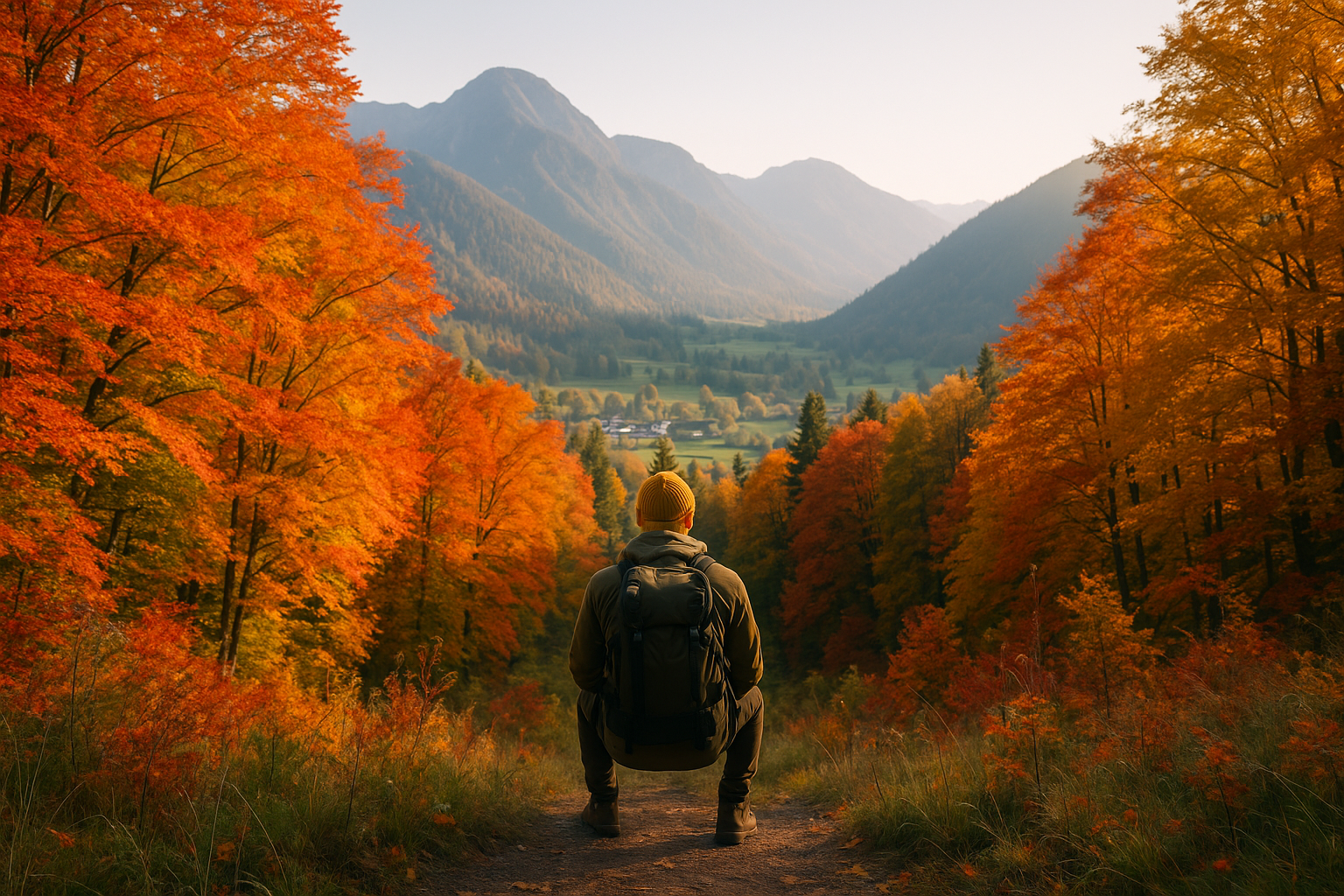
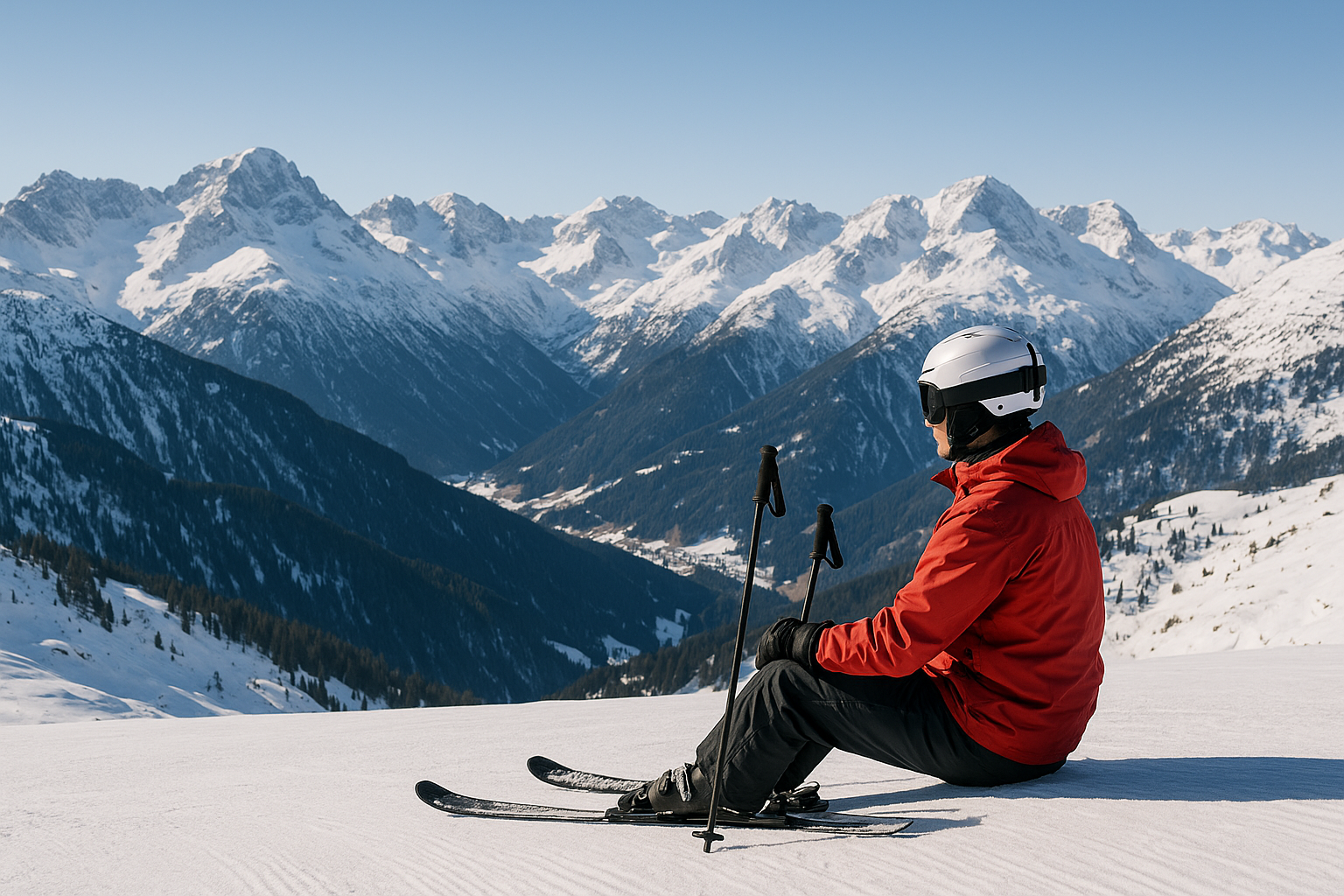
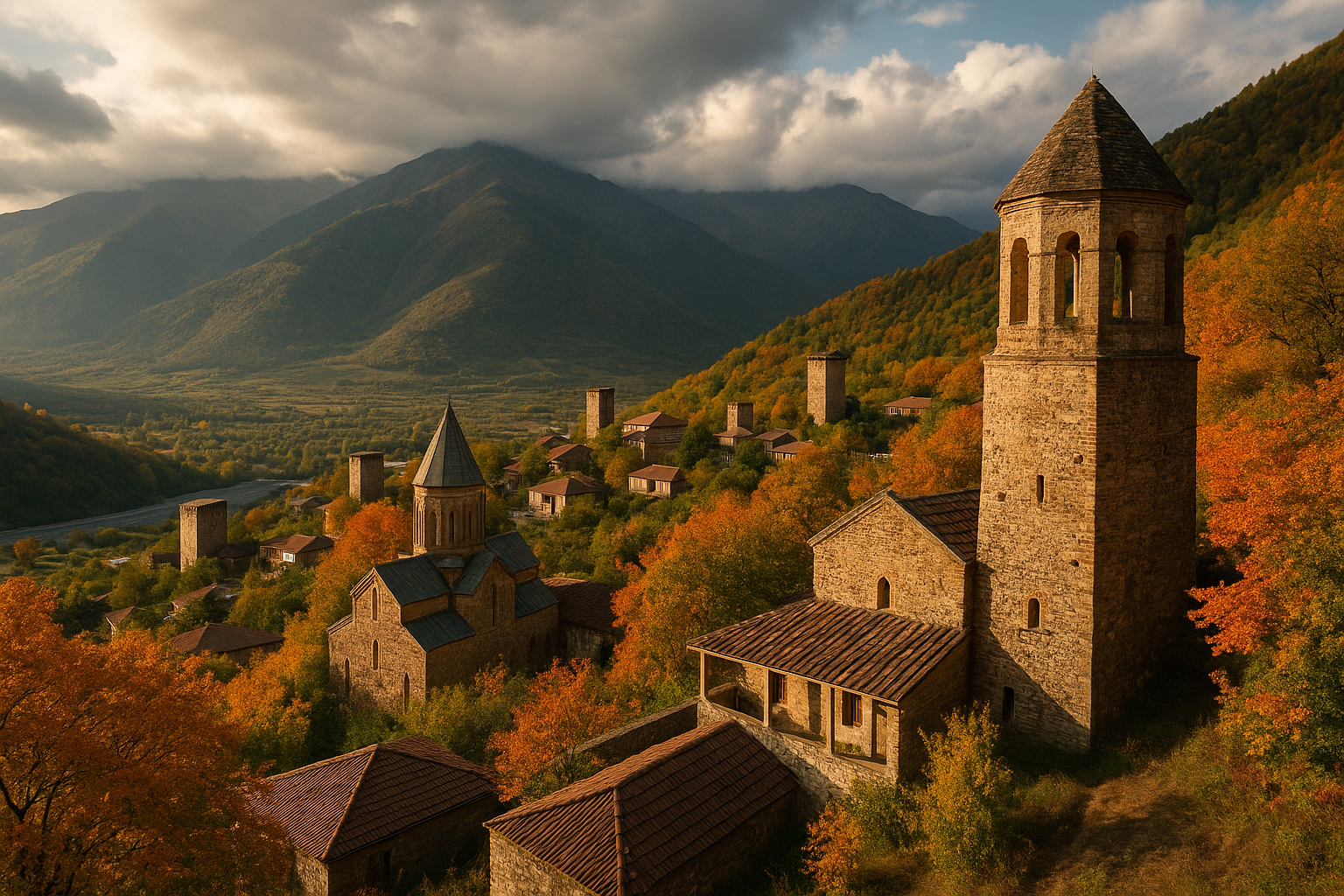
In Georgia autumn arrives as a sharp change of light: long afternoons that bring out the ochre on the lower hills while the high Caucasus gets dustings of first snow. The country shrinks and expands in ways the map does not show — narrow valley roads give a sense of immediate mountain scale, and the Black Sea coastline keeps a late, softer summer that contrasts with brisk air inland.
What autumn actually does here
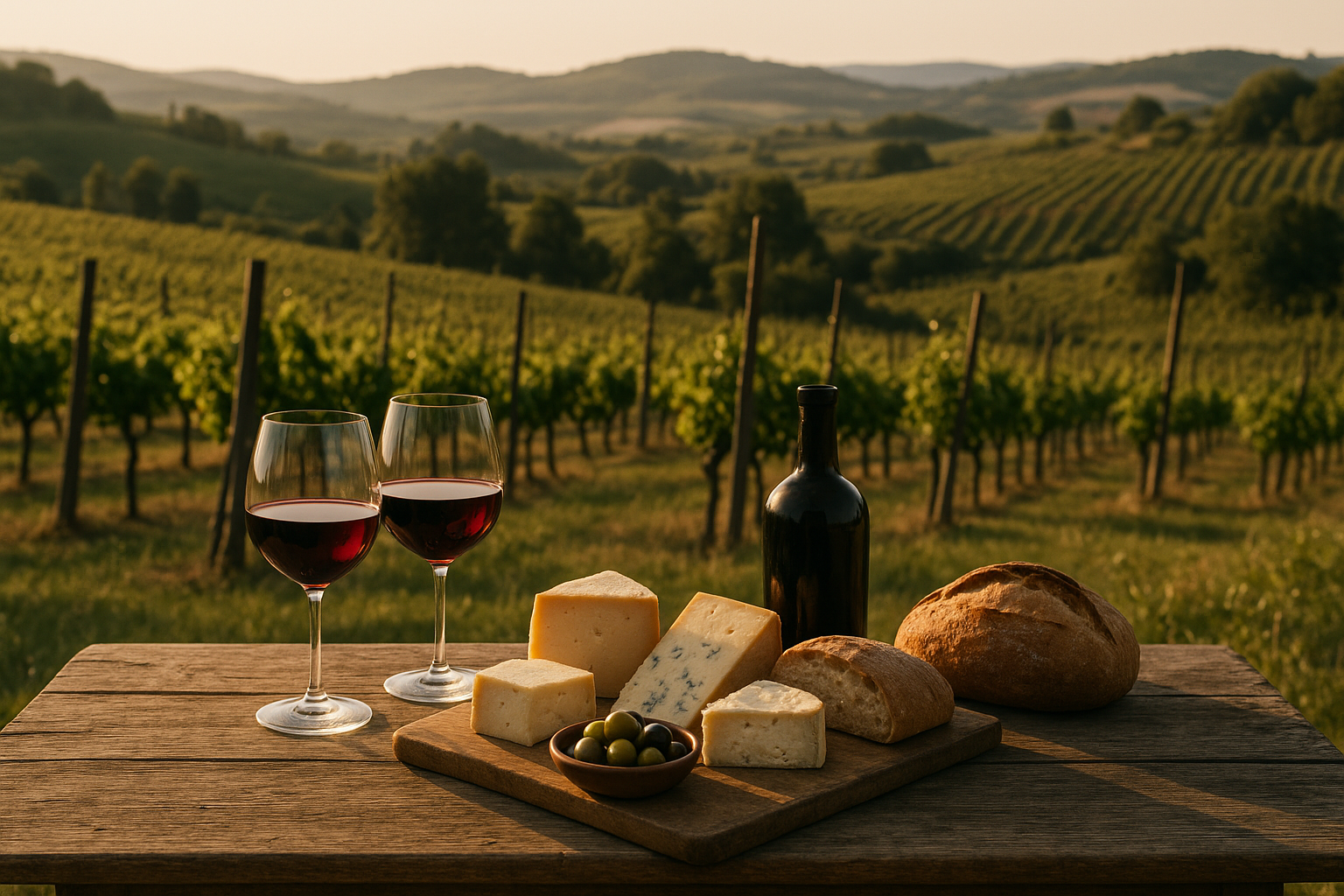
Harvest is visible everywhere: grape presses in village courtyards, piles of corn drying on house balconies and chestnuts for sale on Tbilisi pavement. This is wine season in Kakheti, where family-made natural wines are moved from qvevri (clay jars buried in the ground) into cellars; expect festivals and invitation-only tastings alongside noisy, communal work. By November many alpine trails close with early snow, while lowland markets are full of preserved vegetables and jars of homemade adjika and pickles for winter.
Getting around Georgia in autumn
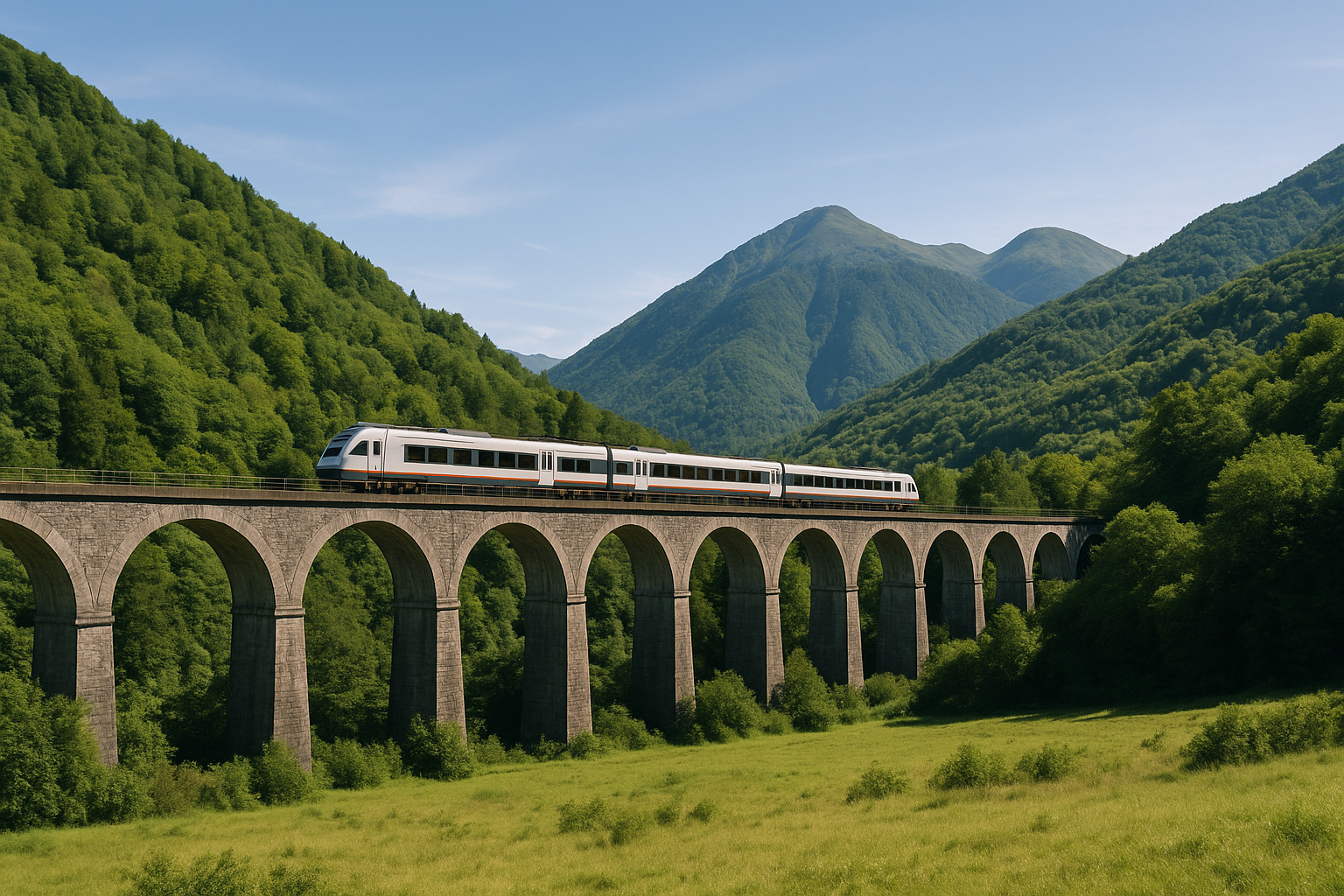
Distances look modest but mountain roads slow journeys; a route that reads short on a map can take much longer with winding passes and harvest traffic. Trains and overnight sleepers link main cities, minibuses called marshrutkas fill the gaps to smaller towns, and taxis are easy to hire in cities but less common in remote villages. Cards work in urban restaurants; carry lari for markets, guesthouses and roadside stalls.
Daily manners you’ll meet from day one
A Georgian table is social and loudly negotiated: you will be offered food repeatedly and refusal can be taken personally, so a polite, staged decline followed by acceptance of a small portion usually smooths things. Toasts are led by a tamada, whose role governs conversation and can last an evening; arriving at someone’s home with sweets or a bottle is normal. Georgian script appears on most signs and menus; younger people in cities often speak English, while Russian is more common with older generations.
Eating autumn in Georgia
Meals are a public event: expect khachapuri and khinkali on many tables, seasonal pkhali made from wilted greens and walnut, and grilled vegetables preserved into winter. Supper in autumn leans toward slow, hearty dishes and local wine — trying a family qvevri wine or agreeing to a toast will tell you more about the place than any guidebook sentence.
Quick 5
Georgia
Georgia
Georgia
Georgia
Georgia
Regions

Travel Requirements
What you need to enter Georgia, for the passport you hold.
Places of interest
Landscapes in Georgia
Travel Tips