
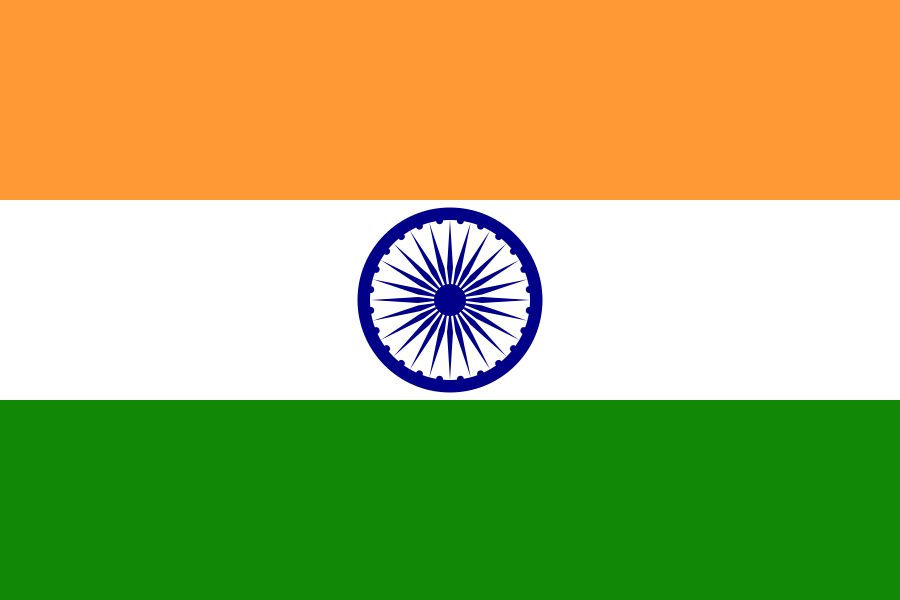
India
Short description
Autumn in India: the monsoon recedes and festivals arrive
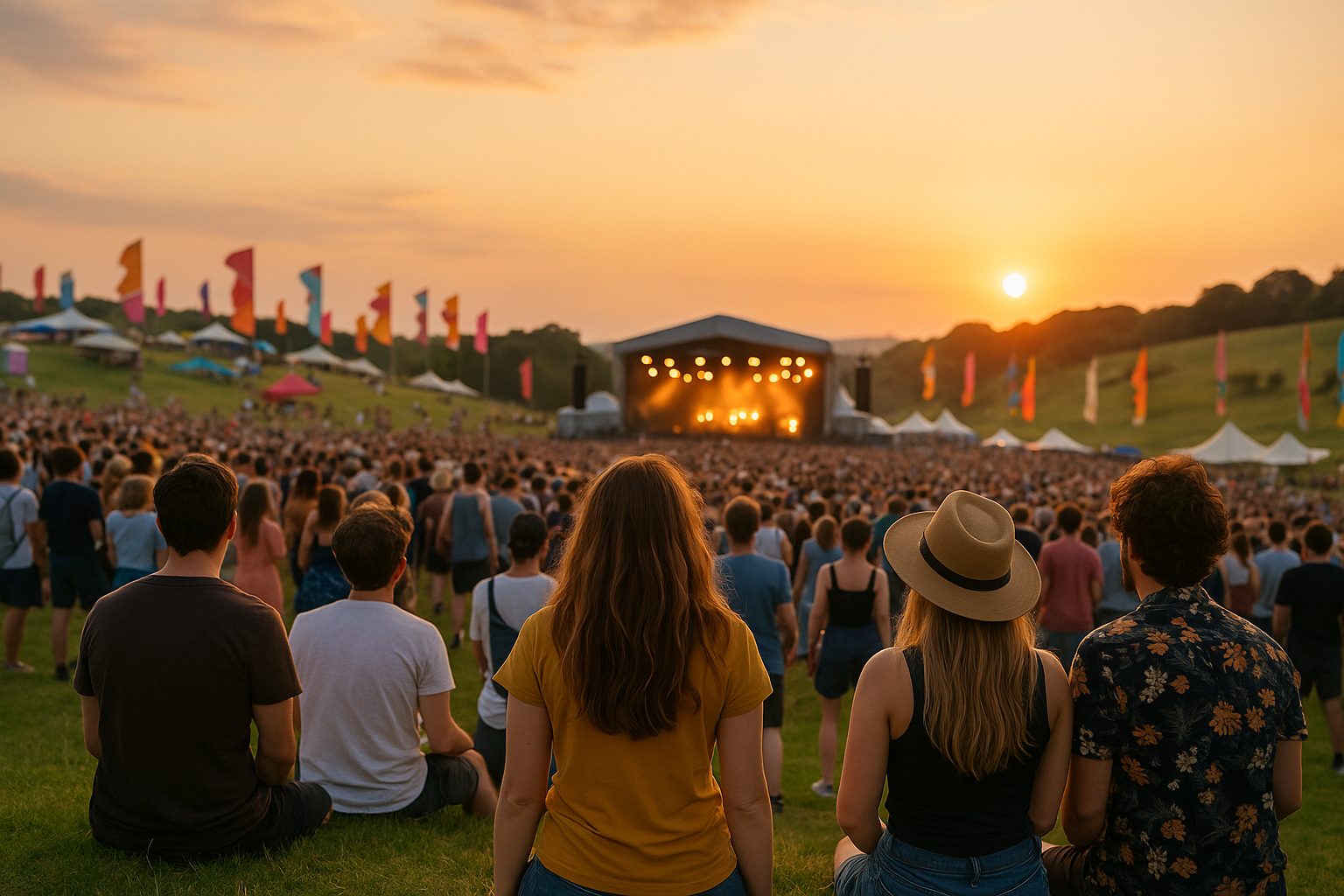
In September the southwest monsoon loosens its grip on the Gangetic plain and the skies clear enough for the first long lines of sunlight since June; by November most of northern India is dry and cool while pockets along the east coast and the northeast still see occasional rain. Those three months are the busiest festival window—Ganesh Chaturthi, Navratri and Durga Puja through to Dussehra, then Diwali—so markets brim with lights, sweets and temporary stalls and whole neighbourhoods extend their waking hours into the night.
How travel moves in India during autumn
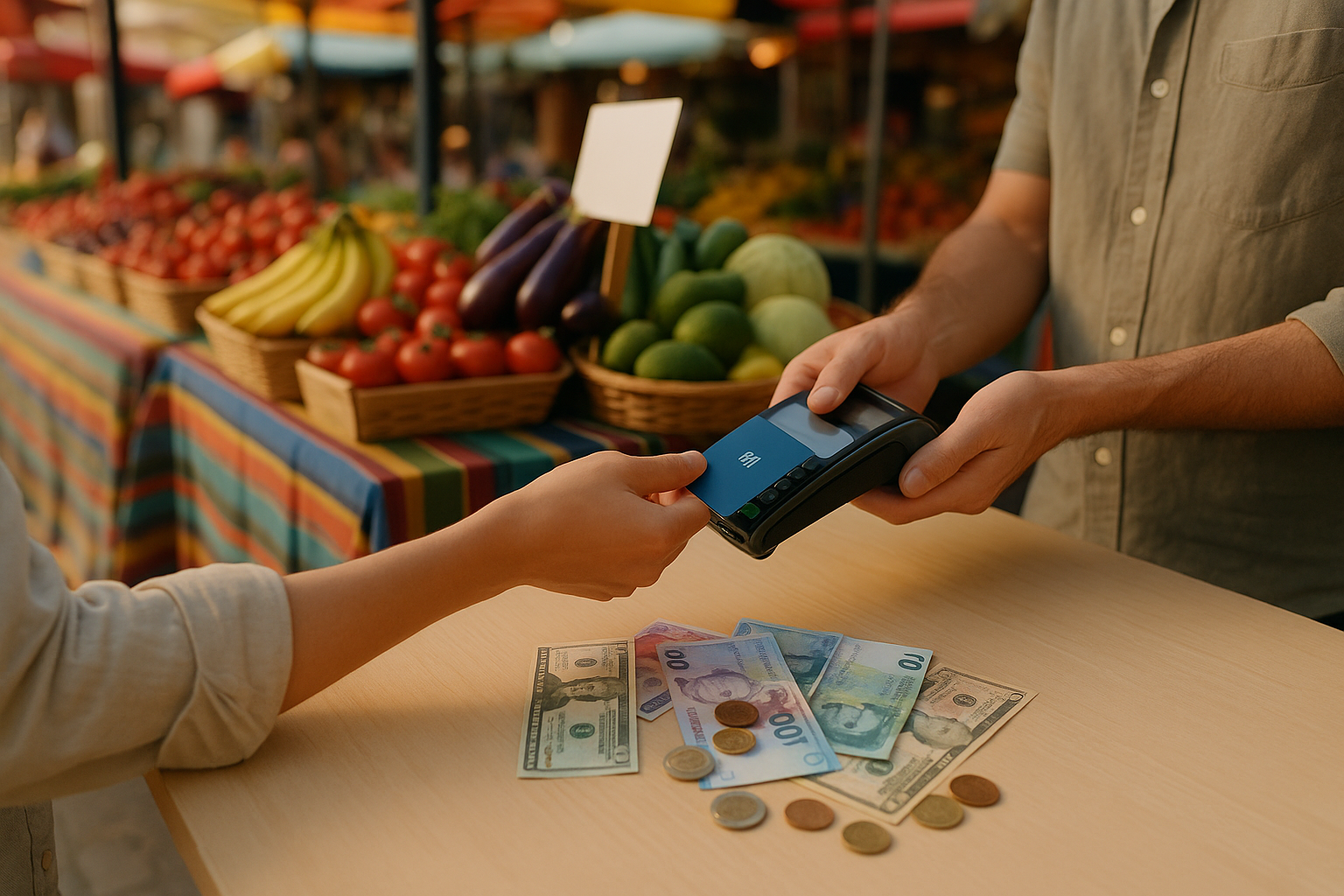
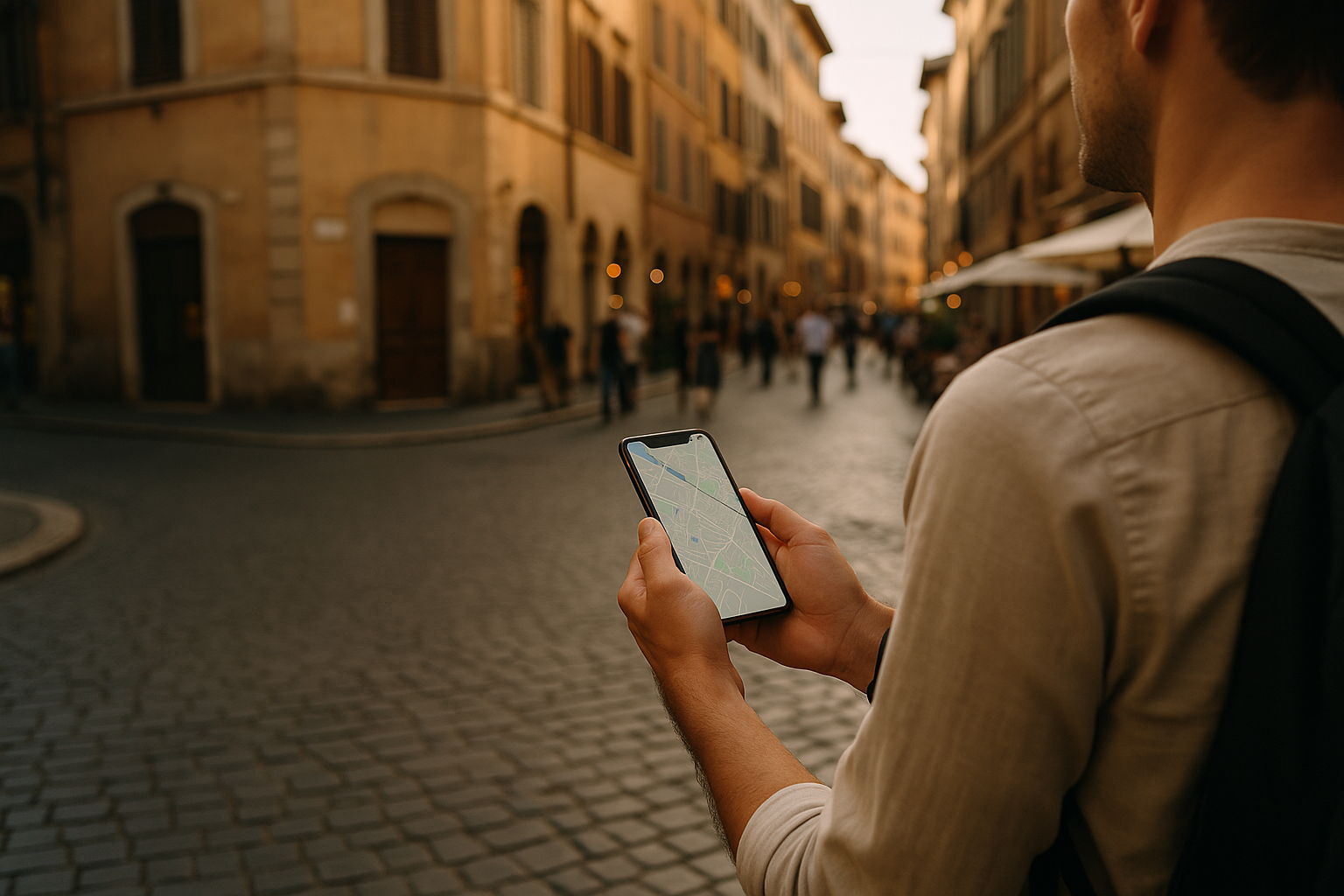
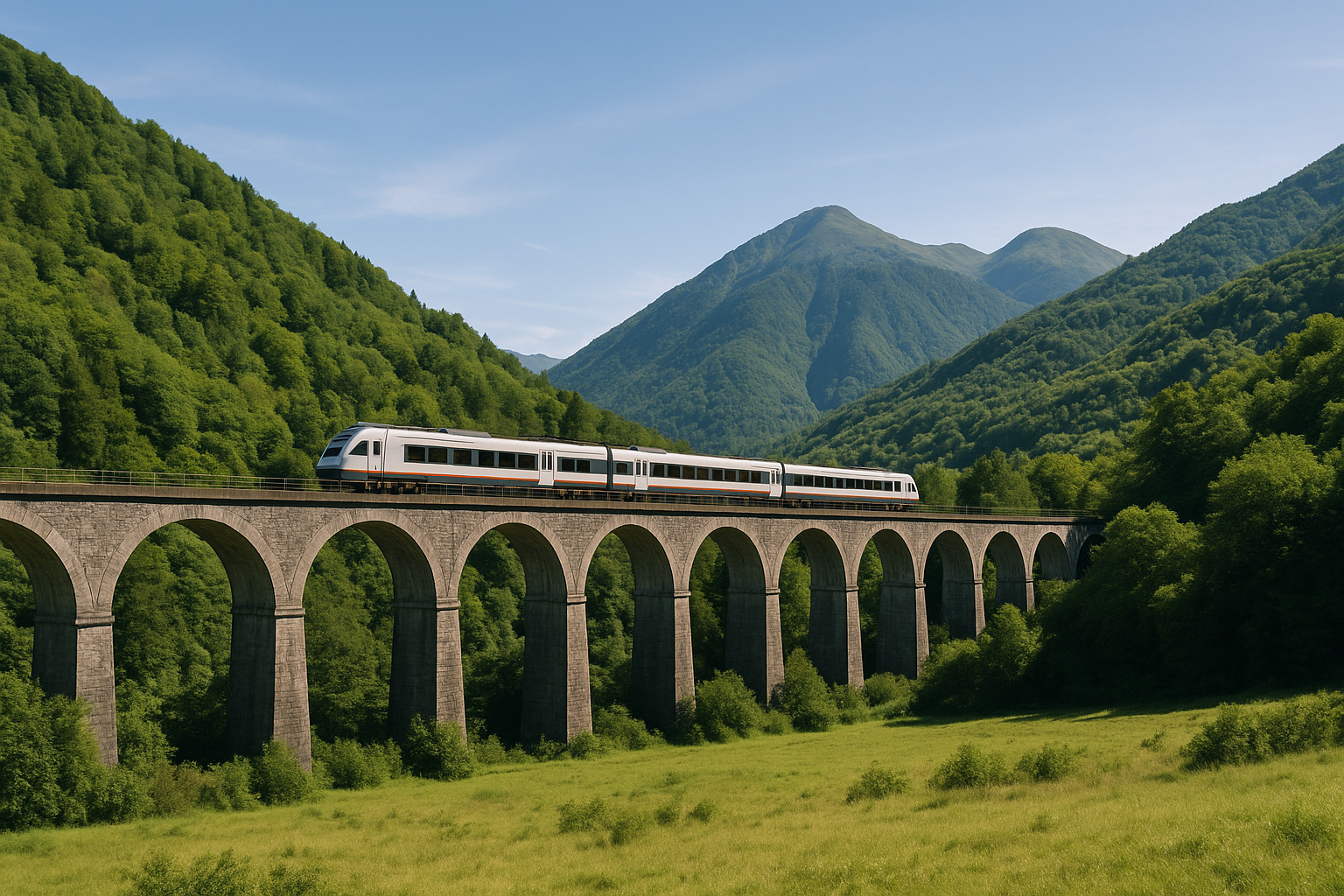
Journeys feel like a mix of old and new: long-distance travel is still dominated by Indian Railways—bookable weeks ahead for reserved sleepers—while short hops are filled by regional flights that get crowded around festival dates. Metros in cities such as New Delhi, Mumbai and Bengaluru handle rush-hour surges; app taxis like Ola and Uber are the everyday fix beyond metros. Digital payments via UPI are common in urban shops and taxis, but small village vendors and street stalls prefer cash.
Daily manners and what will catch you
People greet with a quick namaste in many situations, but handshakes are common in business and cities; remove your shoes when entering homes and most temples, and use your right hand for eating and passing things when possible. Bargaining is expected in bazaars, not in supermarkets. During festival season you will see community feasts, processions and public prayer; be mindful to ask before photographing rituals or people, and dress more conservatively at religious events than you would on a beach.
Eating in autumn: street food, sweets and harvest produce
Autumn menus swing toward snacks and sweets sold from stalls and pandals—fresh modak in Maharashtra around Ganesh Chaturthi, khichuri and bhog in Bengal during Durga Puja, and piles of ladoo and jalebi as Diwali approaches. Harvest vegetables—pumpkin, eggplant, corn and winter greens—start to appear, and chaai is the constant backdrop to any street corner conversation. Expect to eat later in festival evenings and to be offered food as a gesture; refusing without a brief explanation can feel abrupt.
Quick 5
India
Jaipur
India
India
India
Regions

Travel Requirements
What you need to enter India, for the passport you hold.
Places of interest
Landscapes in India
Travel Tips