
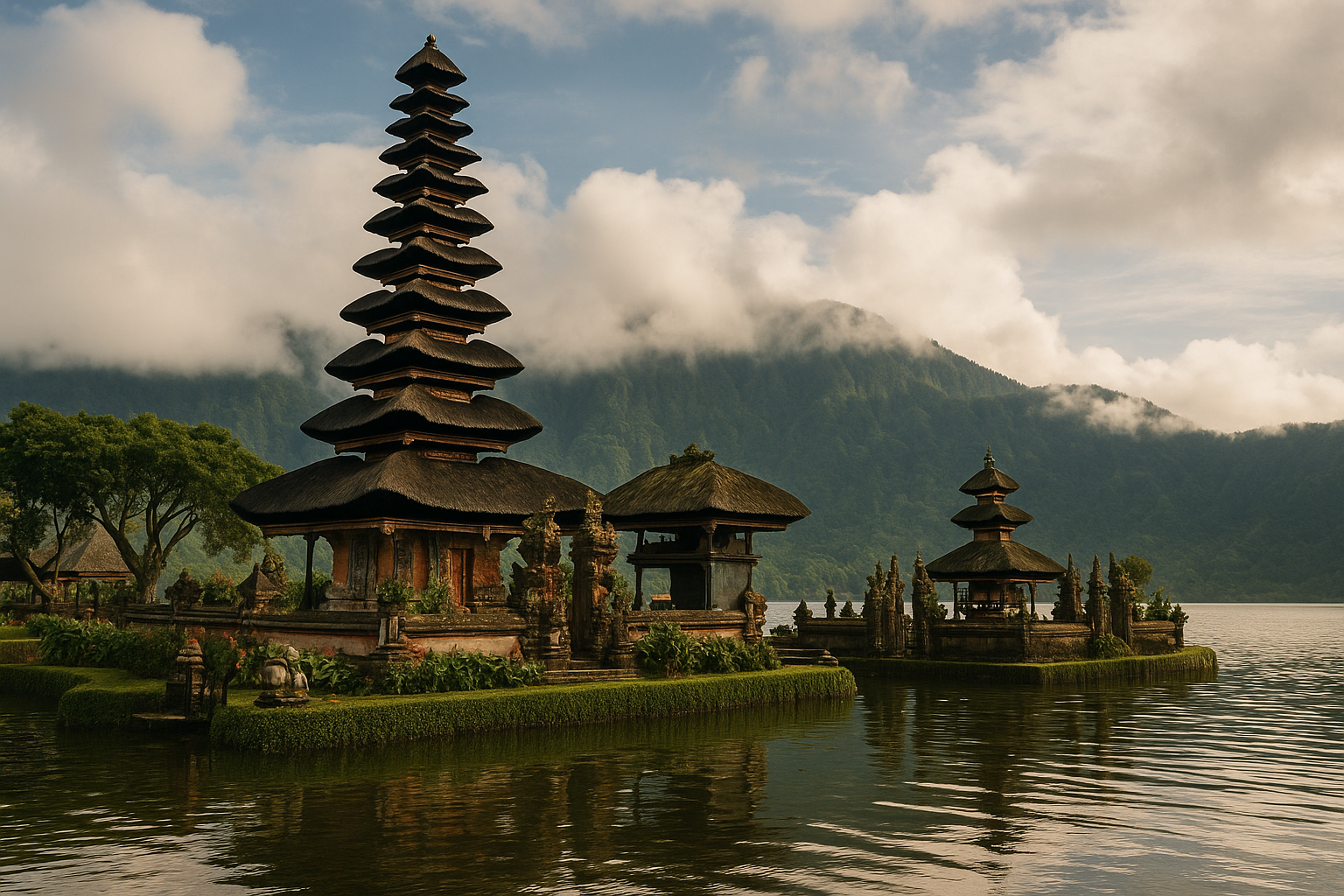

Indonesia
Short description
Autumn in Indonesia: shifting weather, thinner crowds
In September many of the inner islands — Bali, central and eastern Java, and much of Nusa Tenggara — still feel like the dry season, while by November the northwest monsoon has begun to return to Sumatra, western Java and parts of Kalimantan, bringing heavier, more frequent showers.
How the seasons change daily life here in September–November
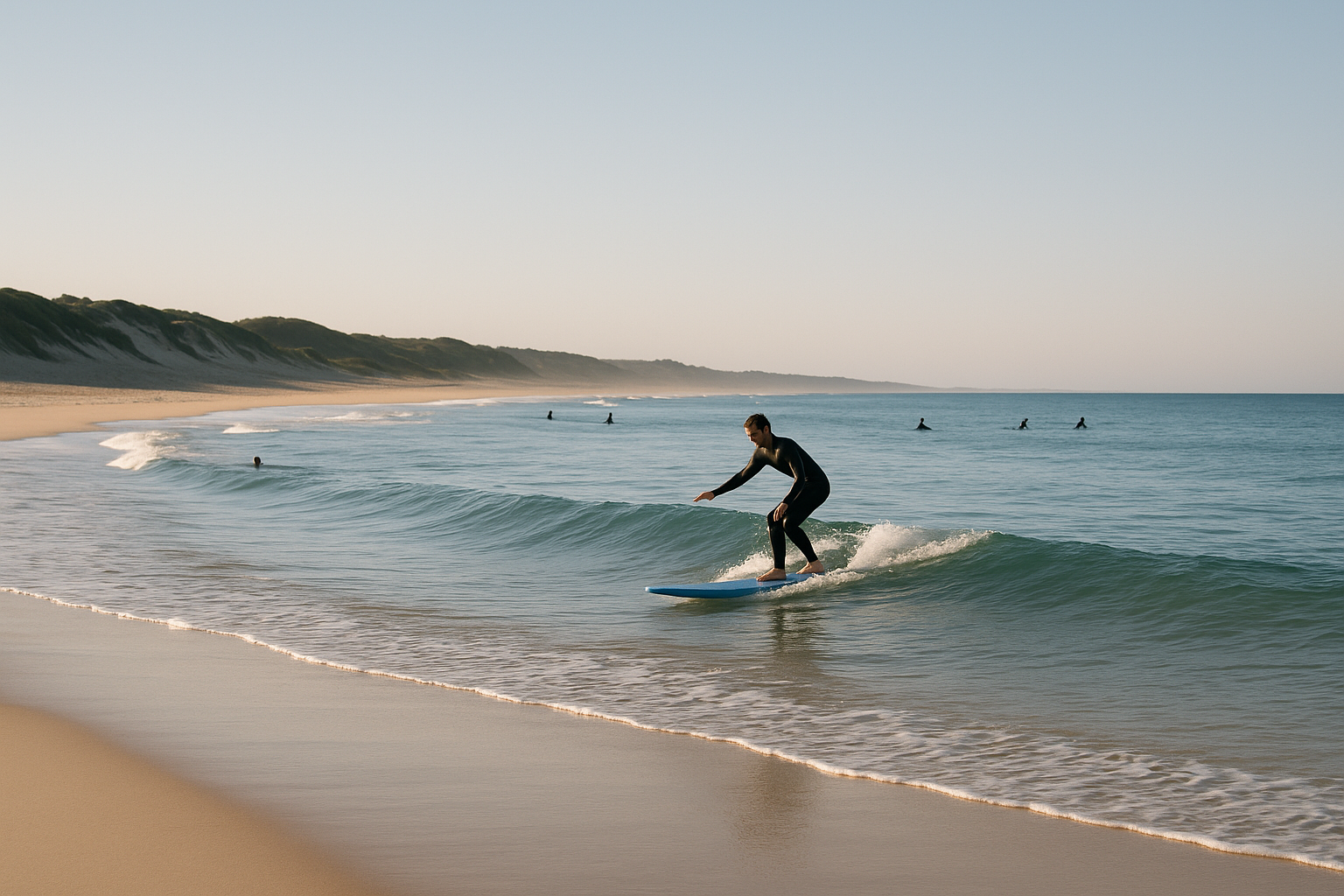
On Bali and the southern coasts a late dry spell means beaches and boat operators are quieter after August; small guesthouses drop prices and local markets clear seasonal fruit. In western Indonesia vendors start reintroducing rainproof tarps, and day trips that ran every morning in September are more likely to be postponed in November because of afternoon squalls. Agricultural rhythms matter locally: rice paddies on Java, for example, will show the neat lines of harvest and replanting in different districts rather than a single national schedule.
Getting around the islands when autumn weather arrives
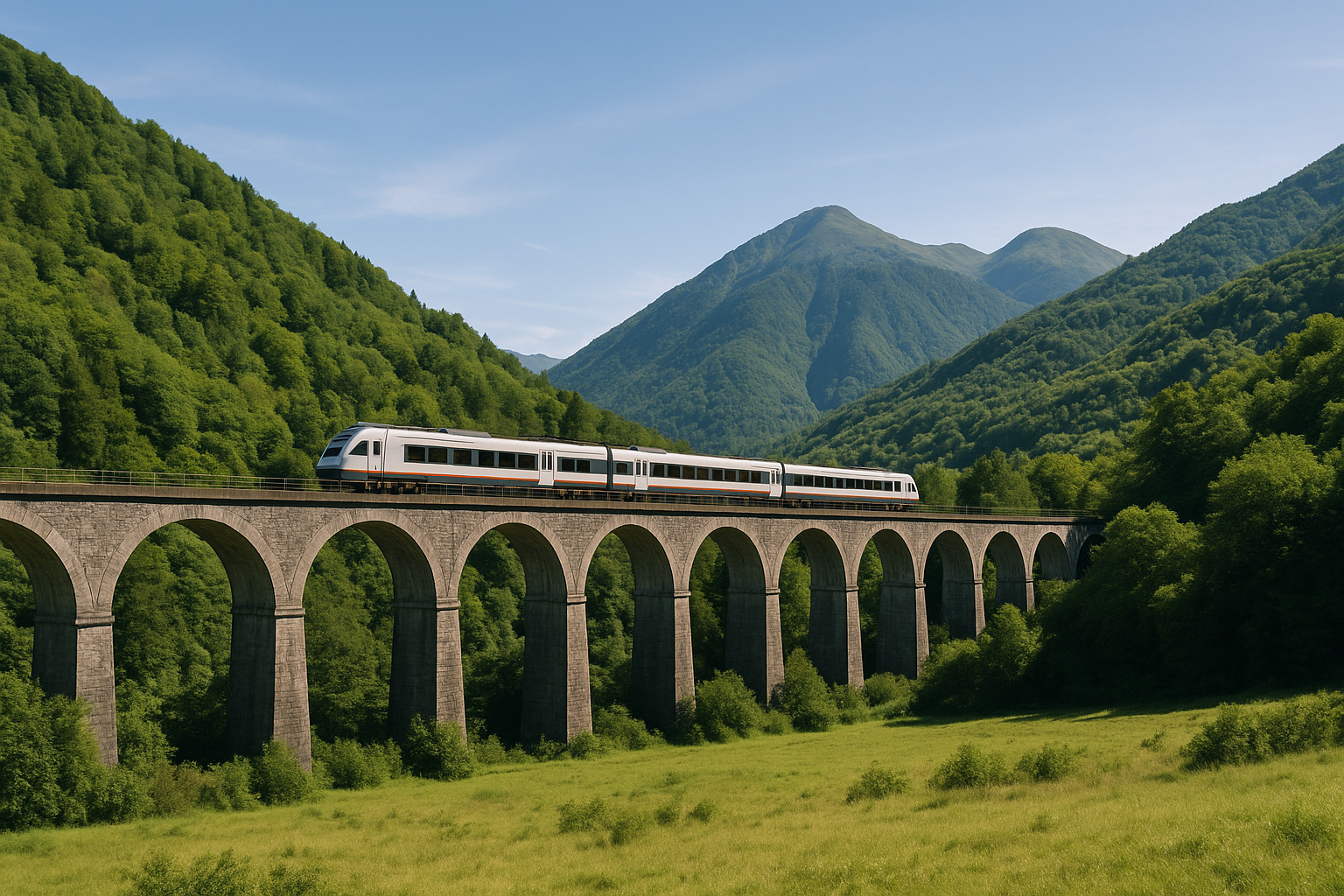
Expect domestic flights to be the fastest way to cross long distances — they dominate travel between islands — but accept that itineraries change when storms pop up: delays and short-notice reroutes are common in shoulder-season weather. On Java, intercity trains are a reliable alternative and usually beat road travel for time and comfort; ferries connect islands but add hours and are vulnerable to rough sea conditions. Carry small-denomination Indonesian rupiah in rural areas: cards work widely in cities, but warungs and remote homestays are cash-first.
How people live and what a visitor notices on day one
A mosque’s azan punctuates mornings and evenings in most towns, while on Bali you’ll see canang sari — daily Hindu offerings of flowers and rice — on sidewalks and doorsteps; step around them rather than on them. Mealtimes are flexible: a busy street warung serves nasi goreng, satay and gado-gado from dawn until late, and you’ll be offered sambal as the default condiment. Dress conservatively in Muslim-majority regions, and remember that Friday afternoon prayers affect opening hours for some businesses.
What surprises people about Indonesia in autumn
Visitors often arrive expecting one island’s atmosphere to represent the whole country; Indonesia’s climate, religion and tempo change markedly from Sumatra to Papua. Also, English helps in tourist towns but rarely replaces basic Indonesian in markets and on public transport — learning a handful of phrases pays off fast.
Quick 5
Indonesia
Indonesia
Indonesia
Indonesia
Indonesia
Regions

Travel Requirements
What you need to enter Indonesia, for the passport you hold.
Places of interest
Landscapes in Indonesia
Travel Tips