
Iran
Short description
Tehran to the desert front: how Iran feels in autumn
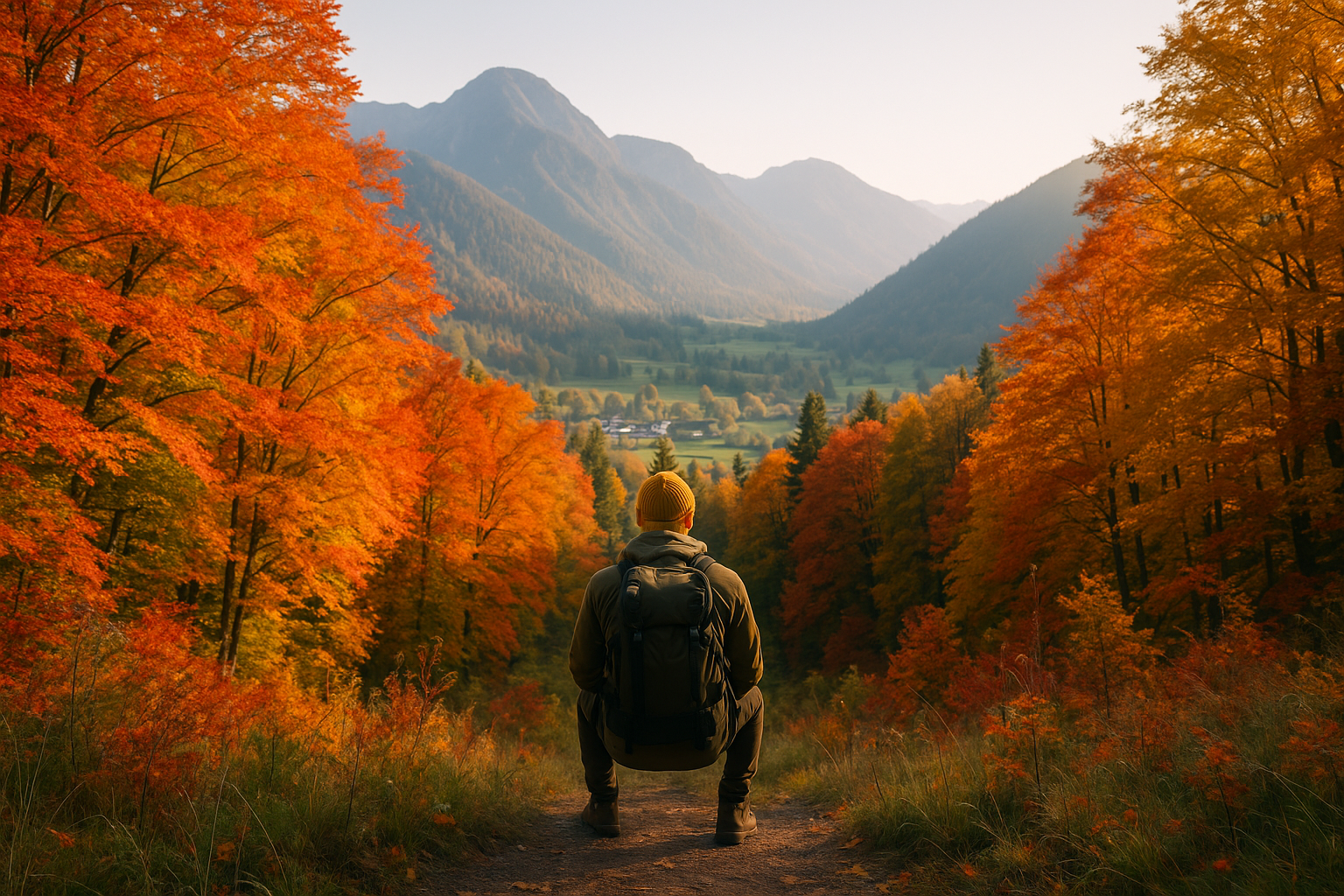
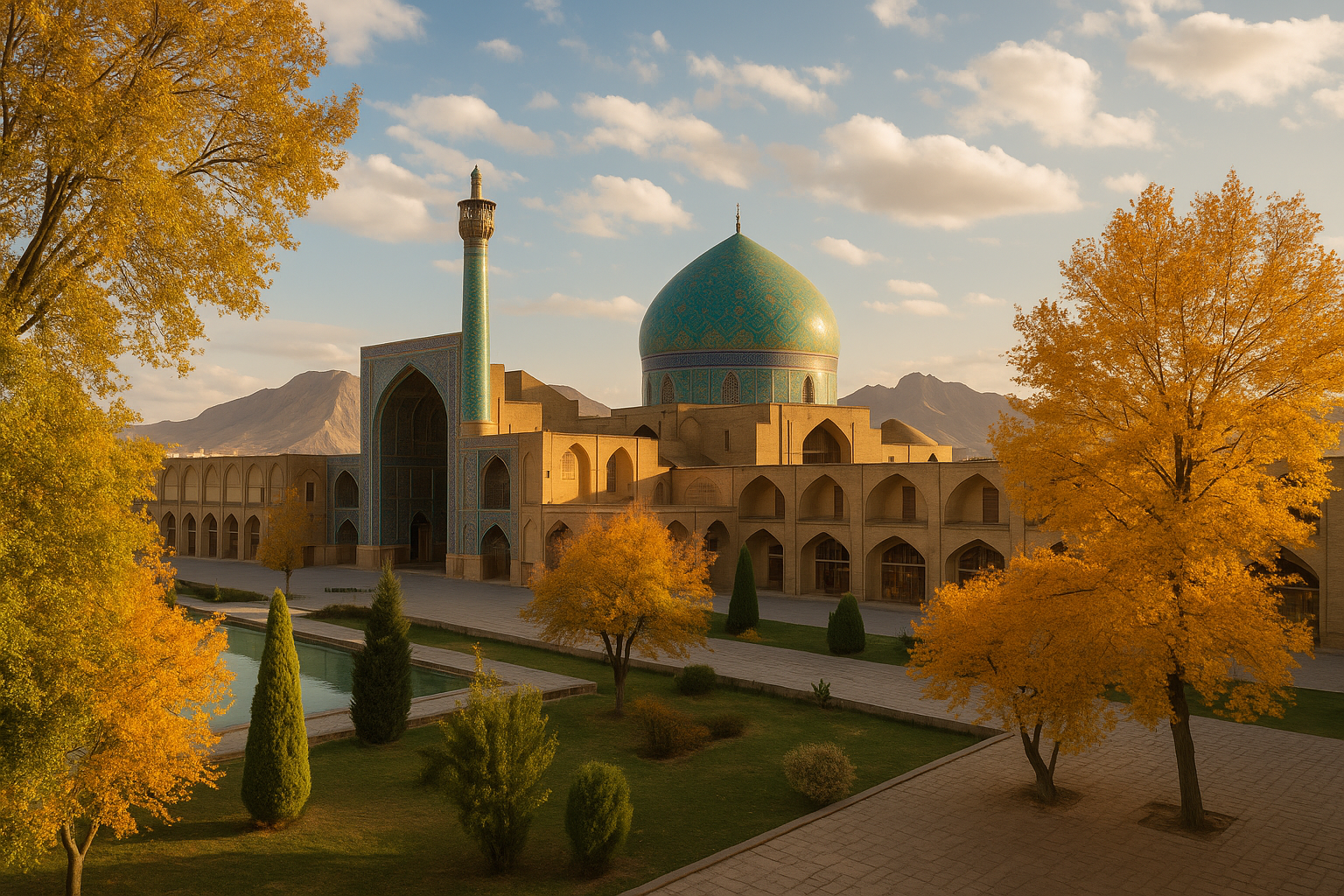
In late September you can fly into Tehran beneath the snow-scattered Alborz and, two hours later, be watching orange pomegranate orchards being stripped in Fars—autumn in Iran is a season of sharp contrasts between mountain and plain. The air clears after summer haze, mornings turn brisk in cities and the high passes of the Zagros start to edge toward the first snows by November.
What autumn does across Iran
September–November is harvest time for saffron in Khorasan and for pistachios and pomegranates across central provinces; street markets fill with crimson fruit and trays of small, sun-dried saffron stigmas. The Caspian coast keeps humid warmth longer, but Tehran, Isfahan and Shiraz cool quickly after sunset, pushing Iranians into teahouses and indoor cafés earlier in the day.
Getting around Iran in autumn
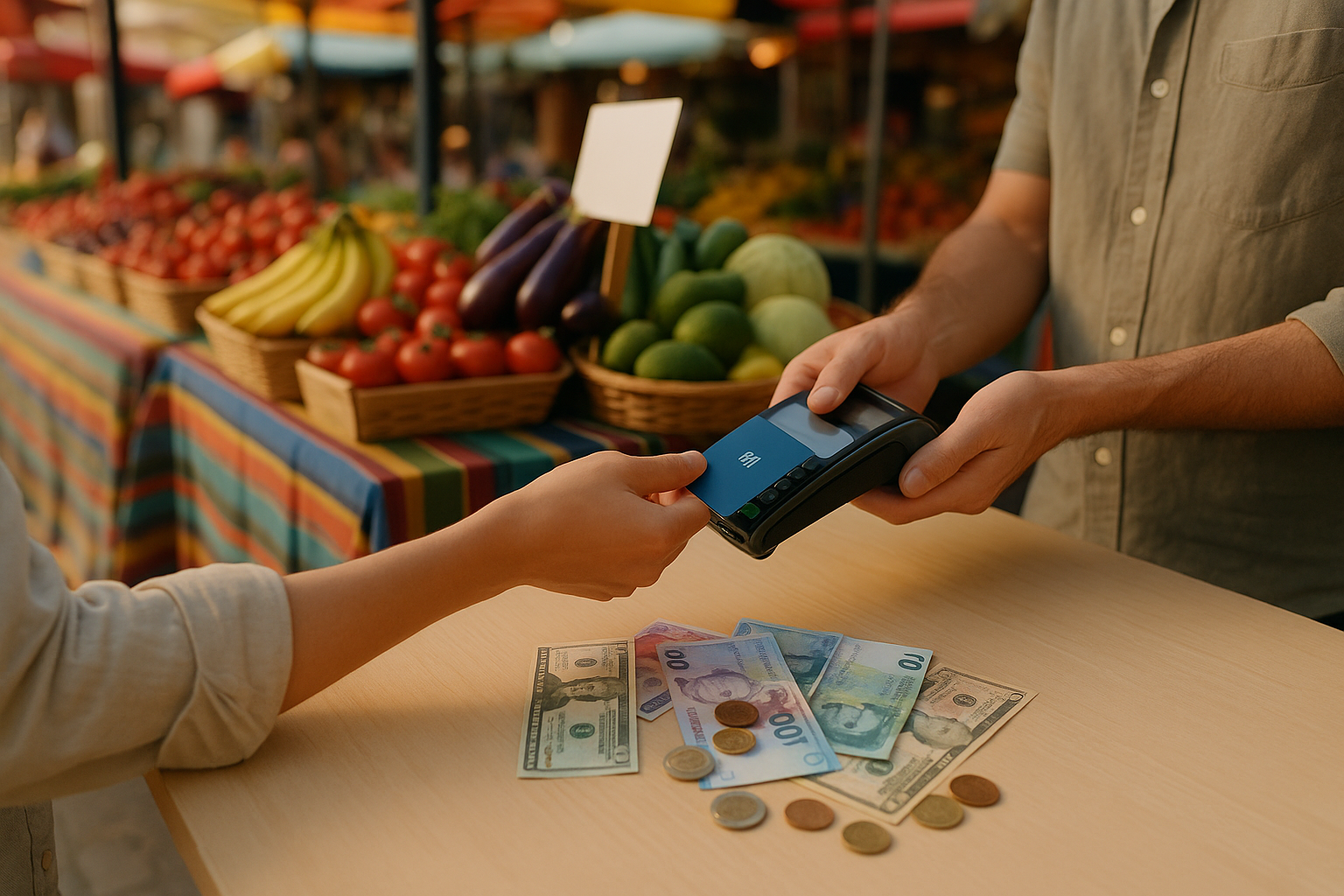
Distances are deceptive: the country stretches from the Caspian to the Persian Gulf and domestic flights between major cities are frequent and often the fastest option, while overnight trains link Tehran with Mashhad and Tabriz. Inside cities, the app Snapp is the default for taxis, cash (Iranian rial) still dominates many transactions and English is most commonly found with younger people or in hotels. Mountain roads become slower as the season progresses—expect delays if you plan to cross a high pass later in November.
Everyday manners, eating and surprises
Public life observes visible religious rhythms—prayer times slice the day and Friday is the main communal day off—but social customs are where you notice differences instantly. Taarof, a ritualised politeness that can involve repeated offers and refusals, governs invitations and bill-paying; learning to read whether an offer is genuine saves awkwardness. Women are expected to wear a headscarf and modest outer clothing in public; men are usually in long trousers rather than shorts in city centres.
Food arrives as an experience: you will be offered small glasses of strong black tea between meals, stews such as ghormeh sabzi or walnut-pomegranate fesenjan appear at family tables, and kebabs are an all-day street option. Many visitors are surprised by how readily strangers will invite them for chai or to view a carpet; these are common, not theatrical displays, and often lead to the best conversations about daily life in Iran.
Quick 5
Iran
Iran
Iran
Iran
Iran
Regions

Travel Requirements
What you need to enter Iran, for the passport you hold.
Places of interest
Landscapes in Iran
Travel Tips